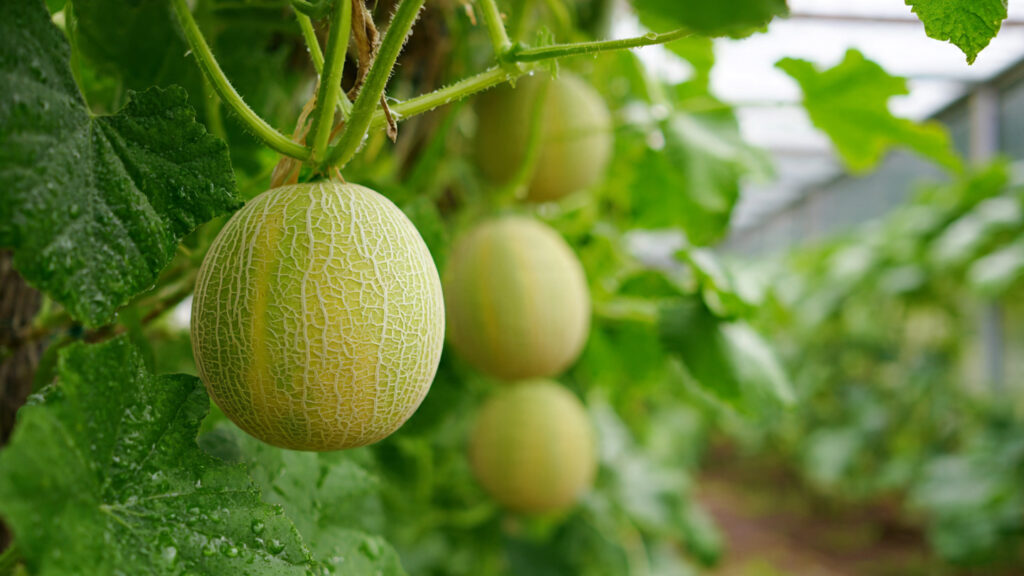
Growing melons in your garden can be incredibly rewarding. There’s nothing quite like biting into a sun-ripened, juicy cantaloupe or honeydew that you nurtured from seed to harvest. However, melons can be a bit tricky—requiring the right mix of soil, water, and sunlight to thrive. Many gardeners struggle with uneven growth, small fruits, or bland flavors.
But what if there was a secret hack that could transform your melon-growing experience? In this guide, we’ll reveal the top melon growing strategies, including a little-known technique that can dramatically boost your harvest, fruit size, and sweetness. By the end, you’ll have the knowledge to grow melons that will make your garden the envy of your neighborhood.
Why Melons Can Be Tricky to Grow
Melons are warm-season crops that demand a careful balance of sunlight, nutrients, and moisture. They are sensitive to:
- Temperature fluctuations: Cold nights or sudden frost can stunt growth.
- Overwatering or underwatering: Both can reduce fruit quality.
- Pollination challenges: Melons rely on bees and other pollinators for full fruit development.
Many gardeners unknowingly make small mistakes that impact fruit size and sweetness. Fortunately, understanding these challenges is the first step toward a fruitful harvest.
The Little-Known Hack That Changes Everything
While most guides focus on soil preparation, watering, and sunlight, experienced melon growers often rely on a simple but highly effective hack: supporting the melons off the ground using slings or small nets.
Why it works:
- Prevents rot and pest damage: Lifting the melon reduces contact with damp soil, slugs, and insects.
- Encourages uniform growth: Supporting the fruit allows it to grow rounder and more evenly.
- Enhances sweetness: Less stress on the fruit from soil contact allows sugars to concentrate naturally.
Pro Tip: Use a breathable fabric or old nylon stocking to cradle the melon. Attach it to a sturdy trellis or cage to support the fruit’s weight as it grows.
Choosing the Right Melon Variety
Not all melons are created equal. Selecting the right variety for your climate, garden size, and taste preference is crucial:
- Cantaloupe: Sweet, orange-fleshed melons that thrive in hot, sunny climates.
- Honeydew: Smooth-skinned melons with pale green flesh and a mild, refreshing taste.
- Watermelon: Large fruits that require more space but reward with juicy, red flesh.
- Mini melons: Compact varieties perfect for container gardening or small spaces.
Reality Check: Early-season varieties are ideal for shorter growing seasons, while long-season melons need full summer sun to ripen properly.
Soil Preparation: The Foundation of Success
Healthy melons start with fertile, well-draining soil. Here’s how to prepare the perfect bed:
- pH balance: Aim for a slightly acidic to neutral pH (6.0–6.8).
- Organic matter: Mix compost or aged manure to enrich the soil with nutrients.
- Drainage: Avoid compacted soil; raised beds work well to prevent waterlogging.
- Soil warmth: Melons thrive in warm soil. Use black plastic mulch or row covers to retain heat early in the season.
Pro Tip: Melons are heavy feeders. Side-dressing with compost or organic fertilizer during the growing season supports vigorous growth and larger fruits.
Planting Melons: Timing and Spacing
Timing and spacing are essential for maximizing your melon harvest:
- Start seeds indoors 3–4 weeks before the last frost date for an early start.
- Transplant seedlings once soil temperatures reach at least 21°C (70°F).
- Spacing: Provide 2–3 feet between plants for smaller varieties, and up to 6 feet for larger types like watermelon.
Pro Tip: Train vining melons vertically on a trellis to save space and improve air circulation, reducing disease risk.
Pollination: Ensuring Perfect Fruit
Pollination is often overlooked, yet it’s key to fruit development:
- Hand pollination can be done using a small brush to transfer pollen from male to female flowers.
- Attract pollinators: Plant flowers like marigolds, sunflowers, or borage nearby to draw bees.
- Timing: Pollinate early in the morning when flowers are most receptive.
Reality Check: Poor pollination leads to misshapen fruits or flowers dropping prematurely. Supporting pollinators improves both yield and fruit quality.
➡️ How to Grow Malabar Spinach from Cuttings for Fast, Easy Greens
➡️ How to Grow Super Delicious Cabbage at Home Without a Garden
➡️ How to Grow Bean Sprouts at Home in Plastic Bottles Easily (Step‑by‑Step Guide)
➡️ Why is Your Lemon Tree Blooming in the Heart of Winter?
➡️ Why Should Your Garden Have a Dedicated Pollinator Highway?
➡️ Why Do Your Fruit Trees Need a Winter Wash to Thrive in Spring?
➡️ How Can Rice Water Transform Your Fruits into Sweeter Delights?
➡️ Jumpstart Your Winter Garden: Seed Starting Under Lights
Watering Techniques for Sweet, Juicy Melons
Proper watering is one of the most critical factors in growing flavorful melons:
- Consistent moisture: Keep soil evenly moist during flowering and fruiting, but avoid waterlogging.
- Deep watering: Water at the base to encourage deep root growth and drought resilience.
- Reduce water before harvest: A few weeks before harvesting, slightly reduce watering to concentrate sugars in the fruit.
Pro Tip: Mulching around the base reduces evaporation, maintains soil warmth, and suppresses weeds.
Nutrient Management: Feeding for Flavor
Melons are heavy feeders. Proper fertilization can make the difference between small, bland fruits and large, sweet melons:
- Use a high-phosphorus fertilizer at planting to encourage strong root development.
- Switch to a potassium-rich fertilizer once fruits start forming to enhance sweetness and size.
- Avoid excessive nitrogen, which promotes leafy growth at the expense of fruits.
Reality Check: Melons need balanced nutrients. Overfertilization can cause rapid vine growth but poor fruit development.
Common Pests and Diseases
Even with the perfect hack, melons can face challenges. Common issues include:
- Aphids and cucumber beetles: Handpick or use insecticidal soap.
- Powdery mildew: Ensure proper air circulation and apply organic fungicides if needed.
- Slugs and snails: Barriers or copper tape around beds can reduce damage.
Pro Tip: Regularly inspect plants for early signs of infestation and remove affected leaves to protect fruit.
Harvesting Melons at Peak Ripeness
Knowing when to harvest ensures maximum flavor:
- Cantaloupes: Look for a golden, netted skin and a sweet aroma near the stem. The fruit should easily slip off the vine.
- Honeydew: The skin turns creamy yellow and feels slightly waxy.
- Watermelon: Check the underside for a yellow spot and the tendril nearest the fruit—it should be brown and dry.
Pro Tip: Avoid picking too early, as melons will not continue to ripen significantly off the vine. Patience pays off with the sweetest, juiciest fruit.
The Secret Hack in Practice
By supporting melons off the ground and combining it with proper soil, watering, fertilization, and pollination techniques, you can dramatically increase:
- Fruit size and shape
- Sweetness and flavor
- Overall yield per plant
This approach mimics professional growing methods while being entirely achievable in home gardens. Even gardeners with limited space can enjoy the satisfaction of a bountiful melon harvest.
Conclusion
Melons are one of the most rewarding fruits to grow, but they require careful attention to detail. By using the top melon growing hack—supporting fruits off the ground—and combining it with proper soil, watering, pollination, and fertilization techniques, gardeners can achieve a spectacular harvest of large, sweet, and juicy melons.
Whether you are growing cantaloupes, honeydews, watermelons, or mini melons, these strategies transform ordinary gardening into extraordinary results. With patience, observation, and a few clever tricks, your garden can produce melons that rival those from professional growers.
So gather your seeds, prepare your containers or garden bed, and put this hack into practice. The next time your neighbors marvel at your perfectly shaped, sweet melons, you’ll know the secret that professional gardeners have been keeping all along.