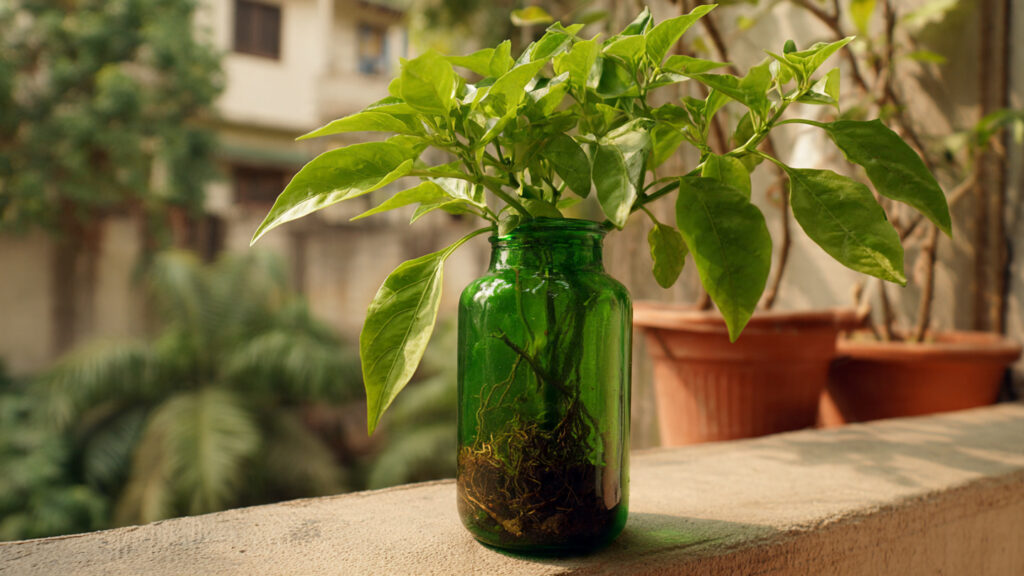
Bell peppers, also known as capsicum, are not only colorful and delicious but also packed with vitamins, antioxidants, and flavor. Growing bell peppers at home is a rewarding experience, but many people think they need large gardens or expensive planters to do it. The truth is, you can cultivate healthy, vibrant bell peppers in something as simple as a recycled plastic bottle! This technique is perfect for beginners, urban gardeners, and anyone with limited space. With the right guidance, your kitchen, balcony, or windowsill can become a mini pepper paradise.
Why Grow Bell Peppers in Plastic Bottles?
Plastic bottle gardening is a sustainable, innovative way to grow vegetables at home. Here’s why it works perfectly for bell peppers:
- Space-saving: Vertical gardening allows you to grow multiple plants in a small area.
- Cost-effective: Reusing plastic bottles reduces the need to buy pots or large planters.
- Controlled environment: You can monitor water, soil quality, and sunlight more easily.
- Beginner-friendly: Minimal setup and low maintenance make this ideal for first-time gardeners.
Bell peppers thrive in containers, and the bottle system provides adequate drainage and nutrient management, giving you strong, healthy plants with vibrant fruits.
Materials You Will Need
Before starting, gather the following items:
- Clean, empty 2-liter plastic bottles (or similar size)
- Sharp knife or scissors
- Potting mix or a soil mix suitable for vegetables
- Organic compost or fertilizer
- Bell pepper seeds or seedlings
- Watering can or spray bottle
- Optional: Small stones or pebbles for drainage
Having all materials ready ensures smooth planting and faster growth.
Step 1: Preparing the Plastic Bottle
Proper preparation of your plastic bottle is the foundation of successful bell pepper cultivation:
- Cut the bottle: Slice the top third of the bottle horizontally. The upper part will act as a funnel or can be removed entirely for planting.
- Create drainage holes: Using a sharp knife or scissors, poke 3–5 small holes at the bottom of the bottle. This prevents waterlogging and root rot.
- Optional support: If growing multiple bottles vertically, make a small notch or hole to attach strings or hooks for hanging.
- Rinse thoroughly: Ensure the bottle is clean and free from labels or residues that might leach chemicals into the soil.
Step 2: Adding Soil and Nutrients
Bell peppers require nutrient-rich soil for healthy growth:
- Layering: Place a layer of small stones or pebbles at the bottom of the bottle to improve drainage.
- Soil mix: Fill the bottle with a well-draining potting mix combined with compost. A mix of garden soil, sand, and organic compost works well.
- Fertilization: Add slow-release fertilizer or organic amendments like vermicompost to provide essential nutrients for growth.
The goal is to create an environment that mimics fertile garden soil but within the constraints of a small bottle.
Step 3: Planting Bell Pepper Seeds or Seedlings
You can start with seeds or young seedlings, depending on your preference:
- Seeds: Plant 2–3 seeds in the soil about 1 cm deep. Keep the soil moist until germination. Thin to the strongest seedling after 2–3 weeks.
- Seedlings: If using seedlings, dig a small hole in the soil and plant the seedling gently. Water immediately to help it settle.
Ensure that the plant is centered in the bottle and has enough space for root growth.
Step 4: Watering and Care
Bell peppers are sensitive to water, so proper hydration is crucial:
- Regular watering: Keep the soil consistently moist, but not soggy. Water 2–3 times a week or more frequently in hot weather.
- Mulching: A thin layer of dry leaves or straw on top of the soil helps retain moisture.
- Avoid waterlogging: Ensure drainage holes are functional. Overwatering can cause root rot.
Step 5: Providing Sunlight
Bell peppers need plenty of sunlight to grow:
- Direct sunlight: Place the bottle in a location where it receives at least 6 hours of sunlight daily.
- Indoor gardening: If sunlight is limited, use a grow light for 12–14 hours per day to encourage healthy growth.
- Rotate bottles: Rotate the bottles periodically to ensure even sunlight exposure for all sides of the plant.
Sunlight ensures vibrant leaves, strong stems, and sweet, juicy peppers.
Step 6: Supporting the Plant
As bell peppers grow, their stems may become heavy and require support:
- Stakes or small sticks: Insert a thin bamboo stick or wooden skewer into the soil next to the plant. Tie the stem loosely using a soft string or cloth strip.
- Prevent bending: Supporting the plant prevents stems from bending or breaking under the weight of fruits.
This step is particularly important for container-grown peppers, which have limited root support.
➡️ How to Grow Malabar Spinach from Cuttings for Fast, Easy Greens
➡️ How to Grow Super Delicious Cabbage at Home Without a Garden
➡️ How to Grow Bean Sprouts at Home in Plastic Bottles Easily (Step‑by‑Step Guide)
➡️ Why is Your Lemon Tree Blooming in the Heart of Winter?
➡️ Why Should Your Garden Have a Dedicated Pollinator Highway?
➡️ Why Do Your Fruit Trees Need a Winter Wash to Thrive in Spring?
➡️ How Can Rice Water Transform Your Fruits into Sweeter Delights?
➡️ Jumpstart Your Winter Garden: Seed Starting Under Lights
Step 7: Pruning and Maintenance
Pruning encourages stronger growth and better fruit production:
- Remove lower leaves: Trim old or yellowing leaves to improve air circulation and reduce disease risk.
- Pinch early flowers: In the first few weeks, remove flowers to allow the plant to focus on root and stem development.
- Trim lateral shoots: Remove small side shoots if the plant becomes overcrowded to direct energy to main stems and fruits.
Regular maintenance helps your bell peppers grow healthier and yield more fruits.
Step 8: Pest and Disease Management
Even in a small container, pests can affect bell peppers:
- Aphids and whiteflies: Spray with neem oil or mild soap solution.
- Fungal infections: Ensure good air circulation and avoid wetting leaves excessively.
- Regular inspection: Check leaves, stems, and fruits weekly for early signs of pests or diseases.
Taking preventive measures is easier with bottle gardening since the plant is accessible and manageable.
Step 9: Flowering and Pollination
Bell peppers flower before producing fruit. Pollination is essential for a good harvest:
- Self-pollinating: Bell peppers can self-pollinate, but gentle shaking of flowers helps transfer pollen.
- Attract pollinators: If outdoors, bees and small insects naturally pollinate flowers.
- Patience: Flowering may start 6–8 weeks after planting, depending on sunlight, temperature, and care.
Healthy flowers lead to plump, flavorful peppers.
Step 10: Harvesting Your Bell Peppers
Knowing when to harvest ensures the best taste and texture:
- Maturity signs: Peppers can be harvested green or left to ripen to red, yellow, or orange. The color change indicates sweetness and readiness.
- Cutting fruits: Use scissors or a knife to cut peppers from the stem, leaving a small portion attached to the plant.
- Regular harvesting: Frequent picking encourages the plant to produce more fruits.
With consistent care, your bottle-grown bell peppers can provide multiple harvests over the growing season.
Bonus Tips for Maximizing Yield in Small Spaces
- Multiple bottles: Arrange several bottles vertically or horizontally along a balcony or windowsill for maximum yield.
- Rotate bottles: Move containers occasionally to ensure even sunlight exposure.
- Companion planting: Grow small herbs like basil or parsley nearby to deter pests naturally.
- Organic care: Use natural fertilizers like compost tea or fish emulsion for healthier plants and tastier peppers.
Conclusion: A Simple Way to Grow Bell Peppers Anywhere
Growing bell peppers in plastic bottles is an easy, sustainable, and rewarding method for beginners and urban gardeners alike. With minimal space, a few simple materials, and consistent care, you can cultivate healthy capsicum plants that produce vibrant, juicy peppers right at home. This method not only saves space and resources but also promotes sustainable gardening by reusing plastic bottles creatively.
Imagine walking to your balcony, picking a fresh bell pepper for your salad, and knowing it was grown organically and sustainably—there’s nothing more satisfying than that. By following this step-by-step guide, you can transform small spaces into a mini garden, enjoy fresh homegrown produce, and develop your green thumb with a project that’s simple, fun, and productive.
Start small, stay consistent, and in just a few months, your simple plastic bottles will be brimming with colorful, flavorful bell peppers—proof that even limited space cannot limit your gardening dreams.