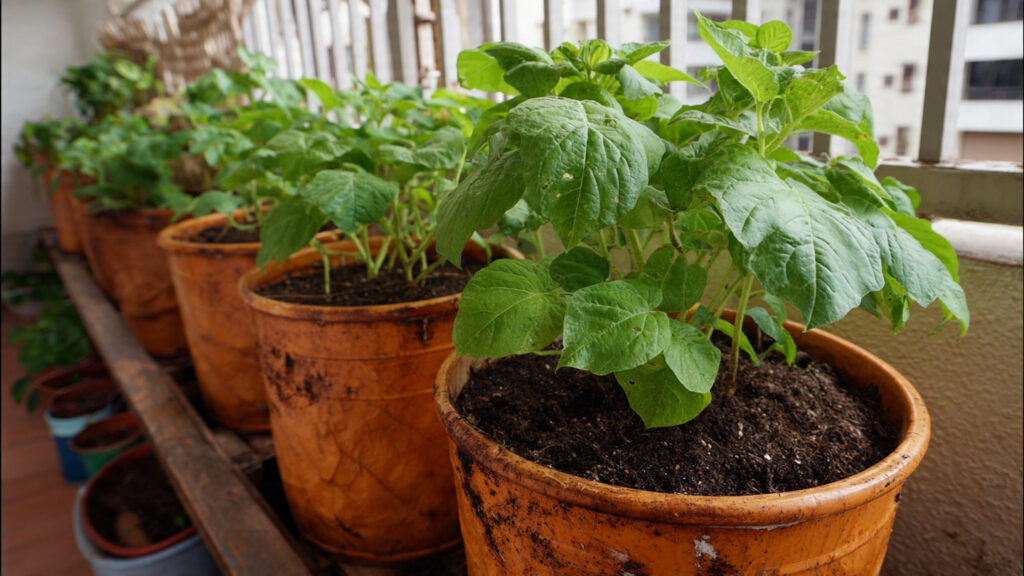
Urban gardening has become a favorite pastime for city dwellers who want fresh, home-grown vegetables but have limited space. One surprisingly productive crop you can grow on a balcony is the sweet potato. Not only are sweet potatoes nutritious and delicious, but they also thrive in containers like plastic tubs, making them perfect for small-space gardening. This guide will take you through a simple, step-by-step approach to grow sweet potatoes on your balcony and achieve high yields.
Why Grow Sweet Potatoes in Containers?
Sweet potatoes are naturally suited for container gardening because:
- They develop underground tubers that can grow in deep containers.
- They require minimal care compared to other crops.
- Containers allow better control over soil quality, watering, and sunlight.
- You can harvest continuously over several months for a steady supply.
Growing in plastic tubs is particularly advantageous because the tubs are lightweight, easy to move, and widely available. With the right setup, even a small balcony can produce more than enough sweet potatoes for a family.
Choosing the Right Container
Plastic tubs are ideal for growing sweet potatoes. Here’s what to look for:
- Size: A minimum depth of 12–15 inches is recommended. Sweet potatoes need space for tubers to expand. Larger tubs yield bigger crops.
- Drainage: Drill several holes at the bottom of the tub to prevent waterlogging, which can cause root rot.
- Shape: Rectangular or square tubs maximize space usage on a balcony.
For DIY gardeners, old storage tubs, recycled water containers, or even large buckets can be repurposed effectively.
Selecting Healthy Sweet Potato Slips
Sweet potatoes are grown from slips rather than seeds. Slips are shoots that sprout from a mature sweet potato tuber. When choosing slips:
- Look for healthy, green shoots about 6–8 inches long.
- Avoid weak or yellowish shoots.
- You can purchase slips from nurseries or grow your own by placing a tuber in water until sprouts emerge.
Starting with strong, healthy slips ensures robust plant growth and a high yield.
Preparing the Soil for High Yields
Sweet potatoes thrive in loose, well-draining soil rich in organic matter. To prepare soil in your plastic tub:
- Mix Soil: Combine equal parts garden soil, compost, and sand or perlite to improve drainage.
- Add Fertilizer: Incorporate a balanced slow-release fertilizer with nitrogen, phosphorus, and potassium. This promotes vigorous vine growth and tuber development.
- Fill Tubs: Fill your plastic tubs about three-quarters full, leaving room for watering and topsoil expansion.
A well-prepared soil mix not only supports healthy vine growth but also ensures that the tubers develop without restriction.
Planting Sweet Potato Slips
Once your tubs are ready:
- Make small holes about 4 inches deep.
- Insert each slip, covering the base of the stem with soil.
- Space slips 12–18 inches apart, depending on the size of your tub.
- Water lightly immediately after planting to settle the soil around the roots.
Sweet potatoes grow quickly, so within a few weeks, you’ll see vigorous vine development across your balcony.
Providing Optimal Care
Container-grown sweet potatoes require some attention to maximize yields:
1. Sunlight
Sweet potatoes love sunlight. Place your tubs in a spot that receives at least 6–8 hours of direct sunlight daily. More sunlight encourages stronger vines and bigger tubers.
2. Watering
While sweet potatoes are relatively drought-tolerant, consistent watering is important, especially in containers.
- Keep the soil moist but not waterlogged.
- Water deeply once or twice a week depending on weather conditions.
- Avoid frequent shallow watering as it can lead to poor tuber formation.
3. Fertilization
Supplement your tub-grown sweet potatoes with liquid fertilizer every 3–4 weeks. Focus on potassium and phosphorus to support tuber growth rather than leafy vine growth. Over-fertilizing with nitrogen can result in excessive vine growth but small tubers.
➡️ How to Grow Malabar Spinach from Cuttings for Fast, Easy Greens
➡️ How to Grow Super Delicious Cabbage at Home Without a Garden
➡️ How to Grow Bean Sprouts at Home in Plastic Bottles Easily (Step‑by‑Step Guide)
➡️ Why is Your Lemon Tree Blooming in the Heart of Winter?
➡️ Why Should Your Garden Have a Dedicated Pollinator Highway?
➡️ Why Do Your Fruit Trees Need a Winter Wash to Thrive in Spring?
➡️ How Can Rice Water Transform Your Fruits into Sweeter Delights?
➡️ Jumpstart Your Winter Garden: Seed Starting Under Lights
4. Pruning Vines
Although optional, trimming overly long vines can encourage more energy to go into tuber development rather than excessive foliage.
Managing Pests and Diseases
Even on a balcony, sweet potatoes can attract pests like aphids, whiteflies, and spider mites. Tips to keep them under control:
- Use natural insecticides such as neem oil sprays.
- Remove damaged leaves promptly.
- Encourage beneficial insects like ladybugs to keep pests in check.
Diseases like root rot are usually due to poor drainage. Ensuring your tubs have adequate holes and that you do not overwater helps prevent these issues.
Harvesting Sweet Potatoes
Sweet potatoes generally take 90–120 days from planting slips to harvesting tubers. Signs that your crop is ready:
- Vines start to yellow and die back naturally.
- Leaves may begin to dry up, signaling tubers are mature.
To harvest:
- Carefully tip the tub on its side.
- Gently remove the soil around the tubers.
- Avoid cutting or bruising them, as damaged sweet potatoes store poorly.
After harvesting, cure them in a warm, dry area for 7–10 days to enhance sweetness and storage life.
Maximizing Yield in Small Spaces
To get the most out of your balcony sweet potato garden:
- Use multiple tubs: More containers mean more plants.
- Vertical trellising: Train vines upward to save space while keeping leaves healthy.
- Companion planting: Grow low-maintenance companion plants like beans in the same tub to improve soil fertility and space usage.
By implementing these strategies, even a tiny balcony can produce a substantial harvest.
Advantages of Balcony-Grown Sweet Potatoes
- Fresh and healthy: Home-grown sweet potatoes are free from harmful chemicals and preservatives.
- Cost-effective: Reduces the need to buy sweet potatoes from the market regularly.
- Sustainable gardening: Reuses plastic tubs and encourages composting of kitchen waste.
- Year-round gardening: With proper care, you can stagger planting for continuous production.
Troubleshooting Common Issues
Even experienced gardeners encounter challenges. Here are solutions to frequent problems:
- Small tubers: Usually caused by overcrowding or excessive nitrogen. Space plants appropriately and reduce nitrogen fertilizer.
- Yellowing leaves: Could indicate nutrient deficiency or overwatering. Test soil and adjust watering.
- Vine damage: Check for pests and remove affected leaves. Use natural insecticides if needed.
Regular monitoring and prompt action ensure your sweet potato crop remains healthy and productive.
Final Thoughts
Growing sweet potatoes in plastic tubs on a balcony is an easy, rewarding project that brings fresh, nutritious produce right to your doorstep. With the right container, soil, slips, and care routine, you can achieve high yields even in small spaces. Not only will your balcony look lush and green, but you’ll also enjoy the satisfaction of harvesting your own sweet potatoes.
This DIY approach to urban gardening proves that limited space is no obstacle to a bountiful harvest. With patience, consistent care, and proper planning, your balcony can become a miniature farm that produces delicious sweet potatoes season after season.