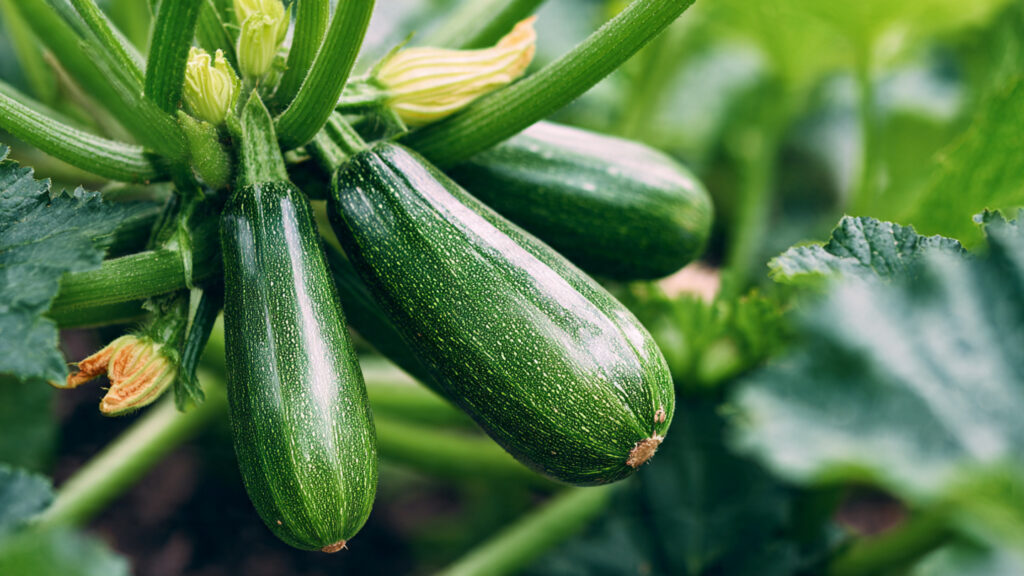
Zucchini is often called the “garden superstar,” and for good reason. This fast-growing summer squash produces abundant harvests, has a mild flavor that works in countless recipes, and thrives even in small spaces.
The best part? You don’t need a large backyard to grow zucchini. With the right container, soil, and care, you can successfully grow this productive plant on a balcony, patio, rooftop, or sunny doorstep.
If you’ve ever dreamed of harvesting fresh zucchini right outside your kitchen, this complete container-growing guide is for you.
Let’s dig into everything you need to know—from planting to picking.
Why Grow Zucchini in a Container?
Zucchini is traditionally grown in garden beds, but container gardening offers many benefits:
- Perfect for small-space gardeners
- Easier to control soil quality
- Fewer weeds compared to ground planting
- Portable (you can move pots for better sunlight)
- Great option for patios and balconies
- Reduced pest and disease problems
With proper care, one zucchini plant can produce enough squash to feed a household all summer long.
Choosing the Best Zucchini Variety for Containers
Not all zucchini plants grow the same way. Some varieties spread widely, while others stay compact.
Best Container-Friendly Zucchini Varieties
- Bush Baby – small, compact plant with full-size fruit
- Patio Star – bred specifically for pots
- Raven – dark green zucchini with heavy yields
- Eight Ball – round zucchini perfect for stuffing
- Gold Rush – bright yellow zucchini, great in containers
Bush varieties are best because they don’t sprawl as much as traditional vining types.
Selecting the Right Container Size
Zucchini plants are heavy feeders and deep root growers, so container size matters a lot.
Ideal Container Requirements
- Minimum size: 18–24 inches wide
- Depth: At least 16–18 inches
- Capacity: 5–10 gallons per plant
- Drainage holes: Absolutely necessary
A half-barrel planter, large grow bag, or oversized pot works beautifully.
Avoid small containers—zucchini will struggle and produce fewer fruits.
The Best Soil for Container Zucchini
Healthy soil is the foundation of a productive zucchini plant.
Ideal Soil Mix
Use a rich, well-draining potting mix combined with:
- Compost or aged manure (for nutrients)
- Coconut coir or peat moss (for moisture retention)
- Perlite or sand (for drainage)
Soil Tips
- Never use heavy garden soil in containers—it compacts too easily.
- Zucchini prefers slightly acidic to neutral soil (pH 6.0–7.0).
Starting with quality soil will give your plant a strong beginning.
How to Plant Zucchini in a Container
You can grow zucchini from seeds or seedlings.
➡️ How to Grow Malabar Spinach from Cuttings for Fast, Easy Greens
➡️ How to Grow Super Delicious Cabbage at Home Without a Garden
➡️ How to Grow Bean Sprouts at Home in Plastic Bottles Easily (Step‑by‑Step Guide)
➡️ Why is Your Lemon Tree Blooming in the Heart of Winter?
➡️ Why Should Your Garden Have a Dedicated Pollinator Highway?
➡️ Why Do Your Fruit Trees Need a Winter Wash to Thrive in Spring?
➡️ How Can Rice Water Transform Your Fruits into Sweeter Delights?
➡️ Jumpstart Your Winter Garden: Seed Starting Under Lights
Planting from Seeds (Best Option)
- Fill your container with potting mix, leaving 2 inches at the top
- Plant 2–3 seeds about 1 inch deep
- Water gently but thoroughly
- Once seedlings sprout, thin to the strongest plant
Seeds germinate quickly—usually within 5–10 days in warm weather.
Planting Seedlings
If using nursery plants:
- Transplant carefully to avoid disturbing roots
- Water deeply after planting
- Keep in partial shade for 1–2 days while adjusting
Sunlight Requirements for Zucchini
Zucchini loves sunshine.
Best Light Conditions
- At least 6–8 hours of full sun daily
- More sun means more flowers and fruit
If your balcony gets limited sunlight, place the container in the brightest possible spot.
Without enough sun, plants may grow leaves but produce little zucchini.
Watering Zucchini in Containers
Container plants dry out faster than garden beds, so consistent watering is essential.
Watering Tips
- Water deeply when the top inch of soil feels dry
- During hot weather, you may need to water daily
- Avoid wetting the leaves to prevent mildew
- Always ensure excess water drains out
Zucchini plants are about 90% water, so steady moisture helps prevent bitter or misshapen fruit.
Fertilizing for Big Harvests
Zucchini is a heavy feeder, especially in pots where nutrients wash out faster.
Best Fertilizer Options
- Compost tea every 2 weeks
- Balanced vegetable fertilizer (10-10-10)
- Organic options like fish emulsion or seaweed extract
Feeding Schedule
- Start fertilizing once the plant has 3–4 true leaves
- Increase feeding when flowering begins
- Continue every 2–3 weeks through harvest season
Healthy feeding leads to nonstop zucchini production.
Supporting Zucchini Plants
Even bush zucchini can benefit from support.
Why Support Helps
- Prevents stems from breaking
- Improves airflow
- Keeps fruit clean and off the soil
- Reduces pest issues
Support Options
- Tomato cages
- Stakes with soft ties
- Small trellises for upright growth
Supporting your plant also saves space on patios and balconies.
Pollination: The Key to Getting Fruit
Zucchini plants produce both male and female flowers.
- Male flowers appear first
- Female flowers have a small swelling behind them (future zucchini)
Common Problem: Flowers But No Fruit
This usually happens due to poor pollination.
Hand Pollination (Easy Solution)
- Pick a male flower
- Remove its petals
- Gently rub pollen onto the center of a female flower
This simple trick can dramatically improve your harvest.
Common Container Zucchini Problems
Even easy plants have challenges. Here are the most common issues:
Powdery Mildew
White powdery coating on leaves.
Fix: Improve airflow, avoid overhead watering, use neem oil if needed.
Blossom End Rot
Fruit turns black at the end.
Cause: Calcium imbalance from inconsistent watering.
Fix: Water regularly and add compost.
Pests
- Aphids
- Squash bugs
- Spider mites
Solution: Spray with insecticidal soap and inspect leaves often.
Overcrowding
Too many leaves and no fruit.
Fix: Grow only one plant per container and prune old leaves.
When to Harvest Zucchini
Zucchini grows incredibly fast—sometimes doubling in size overnight.
Best Harvest Size
- 6–8 inches long for classic varieties
- 3–5 inches for baby zucchini
Harvesting early encourages the plant to produce more.
Harvesting Tips
- Use a sharp knife or garden shears
- Cut fruit with a small stem attached
- Pick every 2–3 days during peak season
Leaving zucchini too long makes it tough and reduces future yields.
How Much Can One Container Plant Produce?
With good care, a single zucchini plant can produce:
- 6–10 pounds of fruit per season
- Sometimes even more in warm climates
That’s a huge return for one container!
Final Thoughts: Fresh Zucchini Anywhere You Live
Growing zucchini in a container is one of the easiest ways to enjoy homegrown vegetables, even in the smallest spaces.
With a large pot, rich soil, consistent watering, and plenty of sunshine, you can turn your patio or balcony into a mini zucchini farm.
Few gardening experiences feel better than stepping outside and picking a fresh zucchini you grew yourself.
So grab a container, plant a seed, and get ready for an abundant summer harvest! 🌱🥒