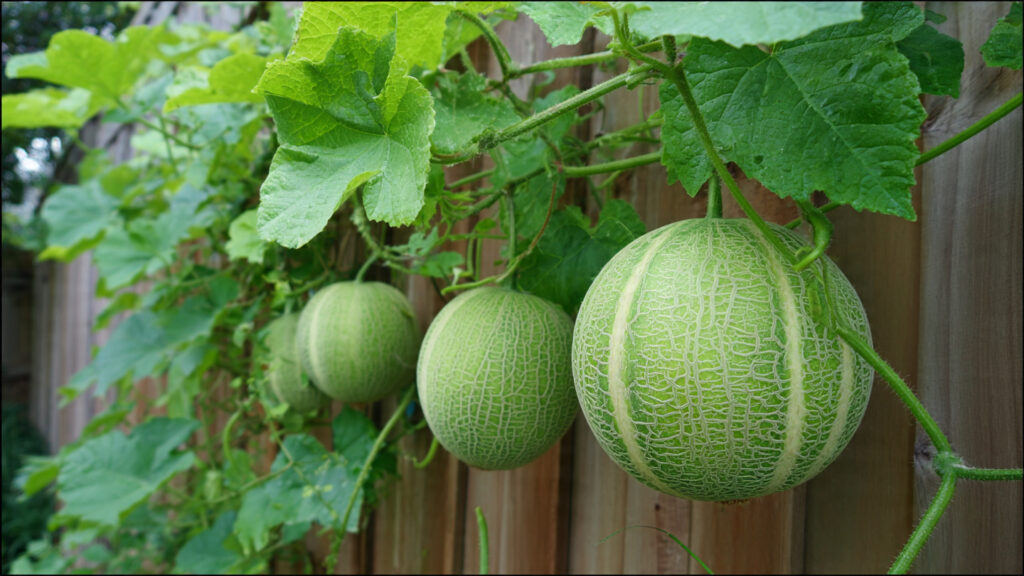
There’s something deeply satisfying about enjoying a sweet, juicy melon straight from your garden. Not only are melons delicious, but growing them at home is also incredibly rewarding. With the right techniques, you can cultivate juicy melons right beside your house, even if you only have a small garden space. Using simple gardening methods, you don’t need to be an expert to enjoy a fruitful harvest.
In this guide, we’ll explore step-by-step how to plant, nurture, and harvest melons at home, along with essential tips to ensure your melon patch thrives throughout the season.
Why Grow Melons at Home?
Homegrown melons have several advantages over store-bought ones:
- Unmatched flavor – Freshly picked melons are sweeter and juicier than store-bought varieties.
- Nutritional value – Homegrown melons retain more vitamins and antioxidants since they’re consumed soon after harvest.
- Satisfaction and sustainability – Growing your own food reduces grocery costs and environmental impact.
- Custom gardening – You control pesticides, fertilizers, and growing methods, ensuring safe and organic fruits.
Using simple gardening methods, anyone can cultivate melons, whether you have a backyard, side yard, or even a balcony garden with enough sun.
Selecting the Right Melon Variety
Before planting, choosing the right melon variety is crucial. Popular types for home gardens include:
- Cantaloupe – Sweet, aromatic, and perfect for fresh eating.
- Honeydew – Smooth-skinned with light green flesh and high sugar content.
- Watermelon – Large, refreshing, and great for summer gatherings.
- Galia – Small, round melons with fragrant and sweet flavor.
Consider your local climate, garden space, and taste preference when choosing a variety. Smaller varieties like cantaloupe and galia are ideal for limited spaces.
Choosing the Perfect Spot
Melons need full sunlight to grow sweet and juicy. Choose a location beside your house that receives at least 6–8 hours of direct sunlight daily. Melons also prefer:
- Well-draining soil – Avoid soggy areas to prevent root rot.
- Space to spread – Melon vines can grow wide, so ensure there’s enough room for leaves and fruits to expand.
- Protection from wind – Gentle fencing or natural barriers can protect delicate vines from strong winds.
If space is limited, consider vertical gardening using trellises or supports to grow melons upward, saving ground space.
Preparing the Soil for Sweet Melons
Healthy soil is the foundation of a sweet harvest. Follow these steps:
- Loosen the soil – Till the area to a depth of 12–15 inches to allow roots to penetrate easily.
- Enrich with organic matter – Add compost or well-rotted manure to boost nutrients.
- Check soil pH – Melons thrive in slightly acidic to neutral soil (pH 6.0–7.0). Adjust with lime or sulfur if needed.
- Form small mounds or hills – Planting on mounds improves drainage and warms the soil for faster growth.
By preparing the soil properly, you ensure your melons grow healthy and develop the juicy flavor that makes homegrown fruits irresistible.
Planting Melon Seeds or Seedlings
You can start melons from seeds or seedlings:
Starting from Seeds
- Sow seeds 1 inch deep in prepared soil.
- Space seeds 18–24 inches apart to give vines room to spread.
- Keep soil consistently moist but not waterlogged.
- Thin seedlings to one strong plant per mound once they sprout.
Using Seedlings
- Transplant healthy seedlings into prepared soil.
- Handle roots gently to avoid damage.
- Water immediately after transplanting to reduce transplant shock.
Both methods are effective, but starting from seedlings can give you a slight head start in cooler climates.
Watering and Fertilizing Tips
Melons need consistent care to produce sweet fruits. Key tips include:
- Water deeply – Ensure soil stays evenly moist, especially during flowering and fruit development.
- Avoid wetting leaves – Water at the base to reduce fungal diseases.
- Fertilize smartly – Use a balanced fertilizer (like 10-10-10) at planting, then switch to a high-potassium fertilizer during fruiting to enhance sweetness.
- Mulch – Use straw or organic mulch to retain moisture and suppress weeds.
Proper watering and nutrition help your melons grow plump, juicy, and flavorful.
Supporting Melon Vines
Melon vines can grow long and spread quickly. Support your plants using:
➡️ How to Grow Malabar Spinach from Cuttings for Fast, Easy Greens
➡️ How to Grow Super Delicious Cabbage at Home Without a Garden
➡️ How to Grow Bean Sprouts at Home in Plastic Bottles Easily (Step‑by‑Step Guide)
➡️ Why is Your Lemon Tree Blooming in the Heart of Winter?
➡️ Why Should Your Garden Have a Dedicated Pollinator Highway?
➡️ Why Do Your Fruit Trees Need a Winter Wash to Thrive in Spring?
➡️ How Can Rice Water Transform Your Fruits into Sweeter Delights?
➡️ Jumpstart Your Winter Garden: Seed Starting Under Lights
- Trellises – Great for cantaloupes and smaller melons. Tie vines loosely to prevent damage.
- Netting or baskets – For heavier fruits, cradle them in slings or baskets to avoid vine breakage.
- Regular pruning – Remove excess lateral shoots to focus the plant’s energy on fruit production.
Supporting vines prevents damage, improves air circulation, and reduces disease risk.
Pollination for Maximum Yield
Melons require pollination to produce fruit. Encourage pollination by:
- Attracting pollinators – Plant flowers nearby to attract bees and butterflies.
- Hand-pollination – Use a small brush to transfer pollen from male to female flowers if pollinators are scarce.
Successful pollination ensures more flowers turn into sweet, juicy melons for your harvest.
Harvesting Your Juicy Melons
Knowing when to harvest is key to enjoying the sweetest melons:
- Cantaloupe – Fruits slip off the vine easily and develop a sweet aroma.
- Honeydew – Turns slightly yellow or cream-colored and feels firm yet slightly soft.
- Watermelon – Ground spot changes color from white to yellow, and tendrils near the fruit dry up.
- Galia – Sweet scent and golden skin indicate ripeness.
Harvest in the morning or evening to avoid heat stress and handle fruits gently to prevent bruising.
Common Challenges and How to Overcome Them
Even with simple gardening methods, you might face challenges:
- Pests – Aphids, cucumber beetles, and spider mites can damage vines. Use neem oil or organic pesticides to control them.
- Diseases – Powdery mildew and fusarium wilt can affect plants. Ensure proper spacing and airflow.
- Poor fruit sweetness – Insufficient sunlight, irregular watering, or over-fertilizing with nitrogen can reduce sugar content.
By observing plants closely and responding early, you can maintain healthy growth and maximize yield.
Creative Ways to Use Homegrown Melons
Once you harvest your melons, enjoy them in creative ways:
- Fresh fruit salad – Combine melon cubes with berries and mint.
- Smoothies – Blend with yogurt or coconut water for refreshing drinks.
- Melon skewers – Perfect for parties and gatherings.
- Infused water – Add melon slices to water for natural flavor and hydration.
Homegrown melons offer a versatile ingredient for healthy and tasty recipes.
Conclusion
Growing juicy melons beside your house is not only possible but also incredibly rewarding when using simple gardening methods. By selecting the right variety, preparing soil, watering consistently, supporting vines, and ensuring pollination, anyone can enjoy a sweet harvest at home.
With a little patience and care, you’ll soon be savoring melons that are sweeter, juicier, and far more satisfying than any store-bought fruit. Plus, the joy of nurturing plants from seeds to fruit adds a unique sense of accomplishment to your gardening experience.
Start today, and watch your garden transform into a fruitful melon paradise, bringing flavor, nutrition, and happiness to your home.