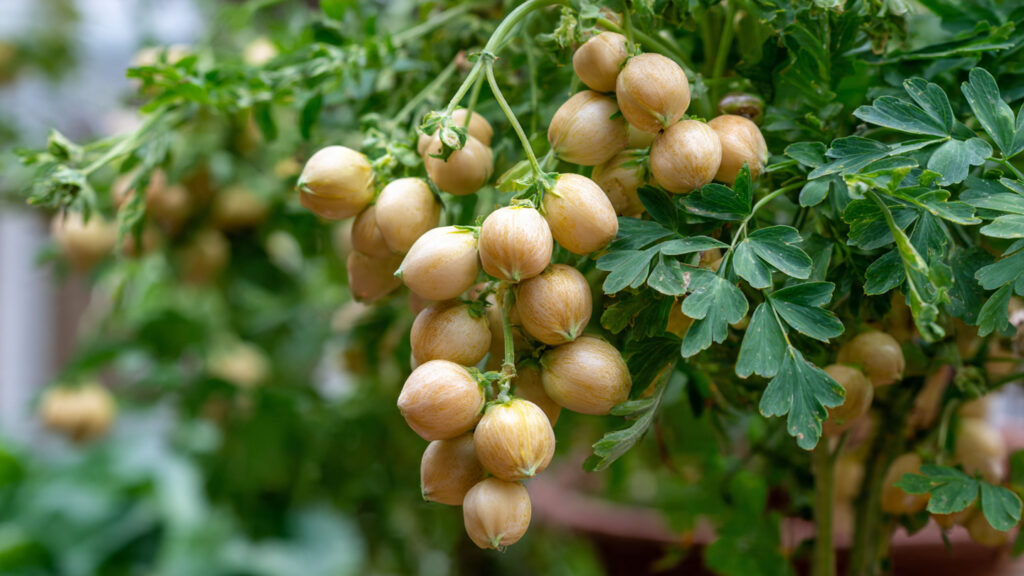
Chickpeas, also known as garbanzo beans, are one of the most nutritious and rewarding legumes you can grow at home. They are packed with protein, fiber, vitamins, and minerals, making them a fantastic addition to a healthy diet.
What many gardeners don’t realize is that chickpeas are not just a large farm crop—they can actually be grown quite successfully in a simple garden pot right at home. Even if you have limited space, a balcony, patio, or small backyard, you can enjoy the satisfaction of harvesting your own chickpeas.
In this guide, you’ll learn exactly how to grow chickpeas in containers, from choosing the right pot to harvesting a full crop.
Why Grow Chickpeas in a Pot?
Growing chickpeas in pots is a great option for home gardeners because chickpeas are:
- Drought-tolerant once established
- Perfect for small spaces
- Low-maintenance compared to many vegetables
- Naturally enriching for soil (they fix nitrogen)
- Fun and rewarding to harvest
Plus, container gardening allows you to control soil quality, drainage, and sunlight more easily than in-ground planting.
Step 1: Choosing the Right Chickpea Variety
There are two main types of chickpeas:
Desi Chickpeas
- Smaller, darker seeds
- Hardy and drought-resistant
- Common in Indian and Middle Eastern cooking
Kabuli Chickpeas
- Larger, cream-colored seeds
- Milder flavor
- Often used for hummus and salads
Both varieties can grow well in pots, but desi chickpeas tend to tolerate heat and stress better, making them ideal for beginners.
Step 2: Selecting the Perfect Pot
The container you choose is one of the most important factors for success. Chickpeas need enough room for root growth and stability.
Best Pot Size
- Minimum: 12 inches deep
- Ideal: 14–18 inches deep and wide
A single chickpea plant can grow well in a medium pot, but for multiple plants, use a larger container or grow bag.
Drainage Matters
Chickpeas hate soggy soil. Always choose a pot with:
- Several drainage holes
- A tray underneath to catch excess water
Good drainage prevents root rot and fungal problems.
Step 3: Using the Best Soil Mix
Chickpeas grow best in loose, well-draining soil. Avoid heavy garden soil that compacts easily.
Ideal Soil Mix for Chickpeas
- 50% potting mix
- 30% compost (for nutrients)
- 20% sand or perlite (for drainage)
Chickpeas prefer soil that is slightly acidic to neutral:
- pH range: 6.0–7.5
Adding compost improves fertility without the need for heavy fertilizers.
Step 4: Planting Chickpea Seeds Correctly
Chickpeas grow best when planted directly from seed, not transplanted.
➡️ How to Grow Malabar Spinach from Cuttings for Fast, Easy Greens
➡️ How to Grow Super Delicious Cabbage at Home Without a Garden
➡️ How to Grow Bean Sprouts at Home in Plastic Bottles Easily (Step‑by‑Step Guide)
➡️ Why is Your Lemon Tree Blooming in the Heart of Winter?
➡️ Why Should Your Garden Have a Dedicated Pollinator Highway?
➡️ Why Do Your Fruit Trees Need a Winter Wash to Thrive in Spring?
➡️ How Can Rice Water Transform Your Fruits into Sweeter Delights?
➡️ Jumpstart Your Winter Garden: Seed Starting Under Lights
How to Plant
- Soak seeds in water for 8–12 hours before planting
- Fill the pot with soil mix
- Plant seeds about 1–2 inches deep
- Space seeds 3–4 inches apart in a large container
- Water gently after planting
Seeds typically germinate within 7–14 days depending on temperature.
Step 5: Providing the Right Sunlight
Chickpeas are sun-loving plants.
Sun Requirements
- At least 6–8 hours of direct sunlight daily
Place your pot in the sunniest spot available, such as:
- A south-facing balcony
- A patio corner
- A sunny backyard
Without enough sunlight, plants may become leggy and produce fewer pods.
Step 6: Watering Chickpeas the Smart Way
One of the biggest mistakes gardeners make is overwatering. Chickpeas are naturally adapted to dry climates.
Watering Schedule
- Water regularly during germination
- Once established, water only when the top 1–2 inches of soil feels dry
Key Tip
Chickpeas need moisture during flowering and pod development, but they do not tolerate waterlogged roots.
Always water at the base of the plant, not on the leaves, to prevent fungal diseases.
Step 7: Supporting Your Chickpea Plants
Chickpea plants are usually bushy but can sometimes flop over as they grow.
Support Options
- Small bamboo stakes
- Tomato cages
- Twine support
Supporting plants helps improve airflow and keeps pods off the soil surface.
Step 8: Fertilizing for Healthy Growth
Because chickpeas are legumes, they naturally fix nitrogen in the soil. That means they don’t need heavy feeding.
Best Fertilizer Approach
- Mix compost into soil before planting
- Use a balanced organic fertilizer only once or twice during growth
- Avoid high-nitrogen fertilizers, which produce leaves instead of pods
A light feeding of phosphorus-rich fertilizer can encourage flowering and pod production.
Step 9: Managing Pests and Diseases Naturally
Container-grown chickpeas face fewer pests than garden-grown ones, but problems can still occur.
Common Pests
- Aphids
- Spider mites
- Caterpillars
Natural Solutions
- Spray neem oil or insecticidal soap
- Introduce ladybugs if growing outdoors
- Remove pests by hand when possible
Common Diseases
- Powdery mildew
- Root rot (from overwatering)
Prevent disease by ensuring good airflow and proper drainage.
Step 10: When and How to Harvest Chickpeas
Harvesting is the most exciting part! Chickpeas can be harvested in two ways:
Green Chickpeas (Fresh Eating)
- Harvest pods while still green
- Chickpeas inside will be soft and sweet
- Great for roasting or cooking fresh
Dry Chickpeas (Storage Beans)
- Allow pods to turn brown and dry on the plant
- Stop watering once pods begin drying
- Harvest when the plant is mostly dry
After harvesting:
- Remove chickpeas from pods
- Dry them completely for storage
- Store in airtight jars
Dry chickpeas can last for months and be used in soups, curries, hummus, and salads.
Extra Tips for Maximum Success
To grow chickpeas successfully in pots every season, remember these golden rules:
- Choose a deep pot with excellent drainage
- Provide full sun daily
- Water sparingly once plants are established
- Avoid nitrogen-heavy fertilizers
- Harvest at the right stage for fresh or dried beans
Chickpeas are a slow-growing crop, usually taking 90–120 days to mature, but the reward is worth it.
Final Thoughts
Growing chickpeas in a simple garden pot is not only possible—it’s surprisingly easy and deeply satisfying. With the right container, good soil, proper sunlight, and careful watering, you can enjoy a healthy harvest of homegrown chickpeas even in small spaces.
Whether you want fresh green chickpeas for roasting or dried beans for long-term pantry storage, this humble legume is a wonderful crop for beginner and experienced gardeners alike.
So grab a pot, plant a few seeds, and start your chickpea-growing journey today. Your home garden can become a source of nutritious, delicious food—one pod at a time.