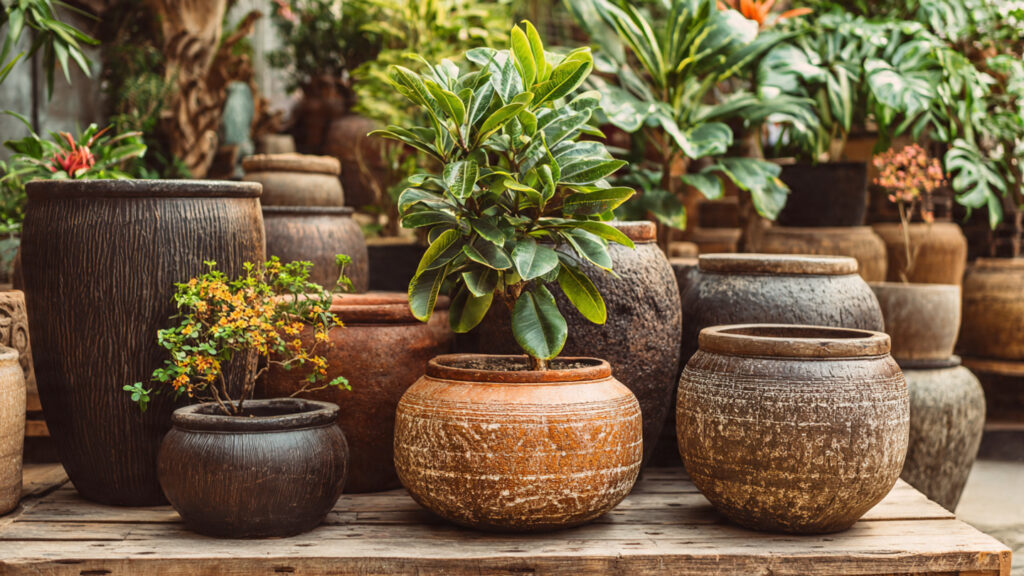
Pots and planters are the unsung heroes of gardening and interior design. The right container can elevate your plants, enhance your décor, and even improve plant health. Whether you are cultivating a balcony garden, decorating a living room, or designing a modern backyard, understanding the materials, styles, and selection tips for pots and planters is essential. This guide provides a complete overview to help you choose containers that are both beautiful and functional.
Understanding Pot and Planter Materials
The material of a pot or planter affects its durability, weight, aesthetics, and the way it supports plant growth. Here’s a breakdown of the most popular materials:
1. Terracotta
Terracotta pots are classic, made from natural clay, and recognized for their warm, earthy tones.
- Advantages: Porous nature allows for excellent air and water circulation, reducing the risk of root rot.
- Disadvantages: Can dry out quickly, especially in hot climates, and may crack if exposed to freezing temperatures.
- Best for: Mediterranean plants, succulents, and indoor greenery that benefits from good airflow.
2. Ceramic
Glazed ceramic pots are stylish, often colorful, and available in many designs.
- Advantages: Decorative, retains moisture better than terracotta, and comes in various finishes.
- Disadvantages: Heavy, less porous, and prone to chipping or cracking.
- Best for: Indoor plants and outdoor sheltered areas.
3. Plastic
Plastic planters are lightweight, affordable, and versatile.
- Advantages: Durable, inexpensive, and resistant to breakage. Ideal for frequent rearrangement.
- Disadvantages: Less breathable for roots; some cheap plastics may degrade under prolonged sun exposure.
- Best for: Indoor and outdoor plants where weight is a concern or mobility is needed.
4. Metal
Planters made from stainless steel, aluminum, or corten steel are modern and striking.
- Advantages: Sleek, contemporary look, very durable, and excellent for large statement pieces.
- Disadvantages: Can overheat in direct sunlight, potentially harming roots; may rust if not properly treated.
- Best for: Modern garden designs, patios, and indoor spaces with industrial décor.
5. Wood
Wooden planters offer a natural, rustic charm. Common woods include cedar, redwood, and teak.
- Advantages: Insulates roots well, blends naturally with gardens, and eco-friendly when sustainably sourced.
- Disadvantages: Requires treatment to prevent rot; heavy when filled with soil.
- Best for: Outdoor gardens, raised beds, and patio planters.
6. Concrete
Concrete planters are extremely durable and provide a minimalist, modern aesthetic.
- Advantages: Long-lasting, highly stable for large plants, and excellent for modern landscaping.
- Disadvantages: Very heavy, may require drainage solutions, and cold in winter.
- Best for: Outdoor gardens, terraces, and large trees or shrubs.
7. Fabric & Soft-Sided Planters
Made from breathable materials like felt, these planters are growing in popularity.
- Advantages: Lightweight, portable, and allow air pruning of roots to promote healthy growth.
- Disadvantages: Less decorative, not ideal for heavy plants, and may require frequent watering.
- Best for: Urban gardening, grow bags, and temporary plantings.
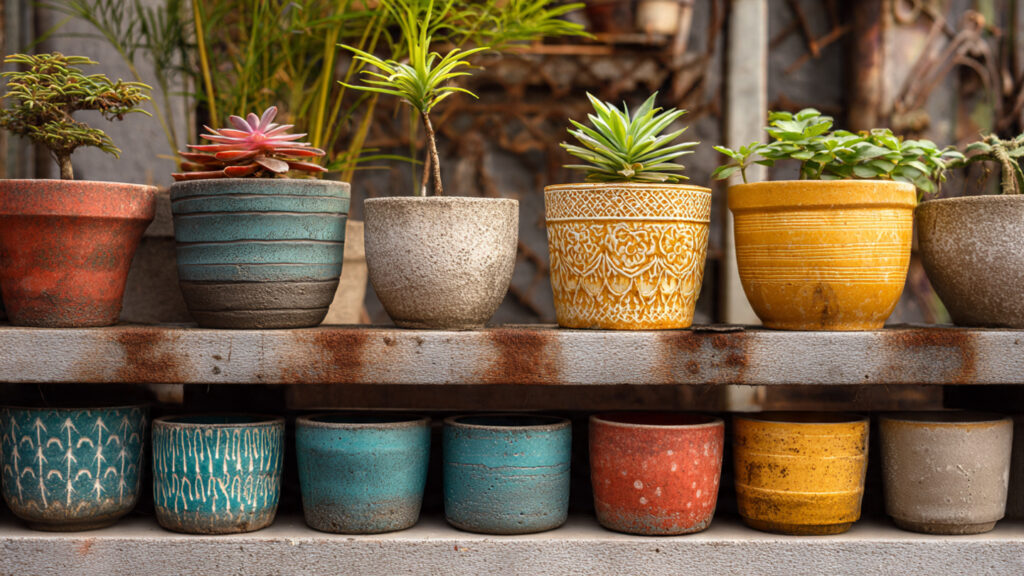
Popular Styles of Pots and Planters
The style of your planter can set the tone for your space. Here are the most common styles:
- Traditional: Round or oval shapes with classic finishes like terracotta or glazed ceramic. Perfect for timeless gardens and indoor arrangements.
- Modern/Minimalist: Geometric shapes, monochrome colors, and materials like concrete or metal. Ideal for contemporary homes and patios.
- Hanging Planters: Suspended from ceilings or walls, these save space and add visual interest. Suitable for trailing plants, ferns, and ivy.
- Tiered or Stackable Planters: Great for vertical gardens or small balconies, allowing multiple plants in a compact footprint.
- Statement Planters: Oversized or sculptural pots act as focal points, often in modern or eclectic garden designs.
- Self-Watering Planters: Built-in reservoirs minimize maintenance, perfect for busy gardeners or indoor use.
Choosing the Right Pot Size
Selecting the correct size is crucial for plant health:
- Too Small: Roots become crowded, soil dries quickly, and growth is restricted.
- Too Large: Soil retains excess water, increasing the risk of root rot.
- Tip: Choose a pot slightly larger than the plant’s current root ball, leaving at least 2–3 inches of space around the roots.
Drainage: Why It Matters
Proper drainage is essential for preventing overwatering and root diseases. Most plants require:
- Drainage holes at the bottom of the pot.
- A layer of gravel or small stones at the base to improve water flow.
- Self-watering pots for indoor plants that need consistent moisture.
Tips for Selecting Pots and Planters
- Match Material to Plant Needs: Succulents and cacti prefer terracotta, while tropical plants benefit from moisture-retaining ceramic or plastic.
- Consider Weight and Mobility: Large concrete or ceramic pots may require trolleys or placement near entrances for ease.
- Complement Your Décor: Choose colors, shapes, and finishes that harmonize with your garden, patio, or interior design.
- Think About Sunlight Exposure: Metal and dark-colored pots can overheat in direct sun, potentially harming plants.
- Plan for the Future: Consider growth potential. Plants that grow quickly may need re-potting or larger containers down the line.
- Layering and Grouping: Grouping pots of different heights and sizes creates depth and visual interest.
Caring for Your Pots and Planters
- Cleaning: Regularly clean pots to prevent salt buildup and algae growth.
- Winter Care: Bring fragile planters indoors or insulate them to prevent cracking in freezing temperatures.
- Soil Management: Use high-quality potting soil and refresh it annually to maintain plant health.
- Drainage Maintenance: Ensure holes remain unobstructed and consider adding mesh or stones to prevent soil loss.
Innovative Pot & Planter Trends for 2026
- Smart Planters: Integrated sensors measure soil moisture, temperature, and light, syncing with smartphone apps.
- Eco-Friendly Options: Biodegradable and recycled materials are becoming mainstream.
- Modular Systems: Interlocking planters that can be expanded vertically or horizontally for urban gardens.
- Indoor/Outdoor Hybrids: Stylish pots that withstand both indoor décor requirements and outdoor weather conditions.
Final Thoughts
Pots and planters are more than containers—they are essential tools that influence plant health, garden aesthetics, and home style. By understanding materials, selecting the right style and size, and implementing proper care, you can ensure your plants thrive while creating visually striking arrangements.
Whether you’re growing herbs on a balcony, decorating a living room, or designing a modern outdoor oasis, the right planters transform ordinary plants into extraordinary focal points. With 2026 trends emphasizing sustainability, smart technology, and modular design, there’s never been a better time to invest in high-quality pots and planters that combine beauty with functionality.