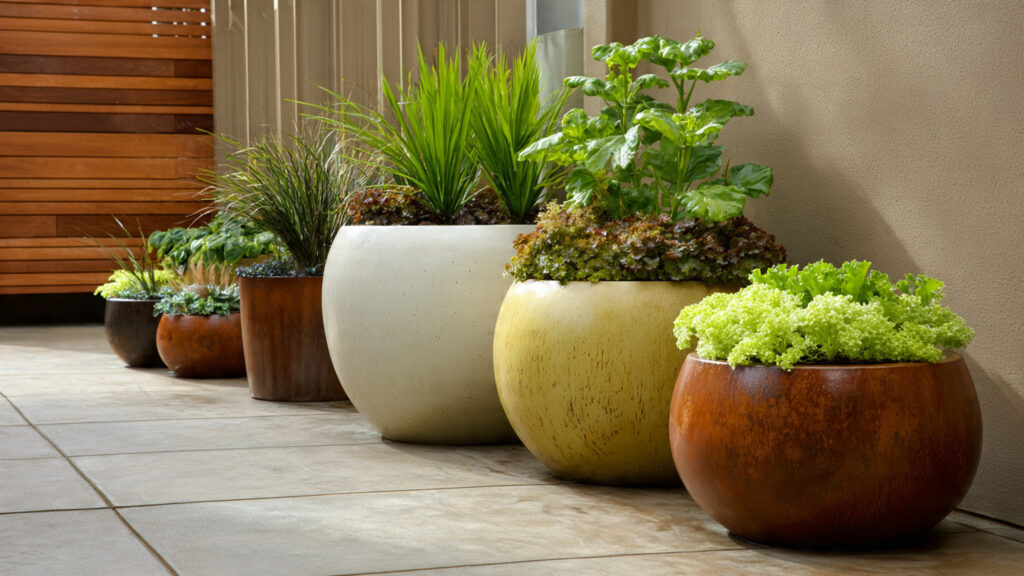
Outdoor planters are the foundation of any beautiful garden, patio, or balcony space. Beyond simply holding plants, they define the aesthetic of your outdoor area, influence plant health, and can even impact maintenance and longevity. Choosing the right material is essential because it affects durability, weight, insulation, and style. In 2026, several materials stand out for outdoor planters, each with unique advantages. This guide explores the best materials for outdoor planters—including fiberglass, concrete, resin, and others—so you can make an informed choice for your garden or terrace.
Why Material Matters in Outdoor Planters
Selecting the right planter material affects multiple factors:
- Durability: Outdoor planters face sun, wind, rain, and temperature fluctuations. Some materials handle these conditions better than others.
- Weight: Large planters can be heavy, affecting mobility and installation.
- Insulation: Certain materials protect plant roots from extreme heat or cold.
- Maintenance: Some materials require sealing, painting, or regular upkeep, while others are virtually maintenance-free.
- Aesthetics: Materials set the tone of your garden, from sleek modern patios to rustic natural spaces.
Fiberglass Planters
Fiberglass has become one of the most popular materials for modern outdoor planters.
Advantages
- Extremely lightweight yet strong, making large planters easier to move.
- Resistant to weather, UV rays, and frost.
- Can mimic natural materials like stone or concrete without the weight.
- Available in a wide range of colors and shapes.
Disadvantages
- Can scratch or chip if handled roughly.
- May fade slightly over many years in harsh sun without UV protection.
Best Uses
- Contemporary patios and terraces.
- Rooftop gardens where weight is a concern.
- Situations requiring large statement planters without heavy lifting.
Concrete Planters
Concrete planters are synonymous with durability and modern design.
Advantages
- Extremely sturdy and long-lasting.
- Excellent thermal mass, protecting roots from temperature swings.
- Offers a minimalist, industrial look perfect for modern landscapes.
Disadvantages
- Very heavy, especially in large sizes, requiring careful placement.
- Can crack if exposed to extreme freeze-thaw cycles without proper sealing.
- Limited portability once installed.
Best Uses
- Permanent installations in gardens and courtyards.
- Large trees, shrubs, or structural planting arrangements.
- Urban spaces with modern or industrial design themes.
Resin & Polyethylene Planters
Resin or high-density polyethylene (HDPE) planters are increasingly favored for their versatility.
Advantages
- Lightweight and easy to move, even in large sizes.
- Extremely weather-resistant, unaffected by rain, frost, or UV rays.
- Can be molded into almost any shape or color, allowing creative designs.
- Often comes with built-in drainage systems.
Disadvantages
- Less “natural” appearance unless finished to mimic stone or ceramic.
- Can warp if exposed to extreme heat for prolonged periods.
Best Uses
- Modern residential gardens, balconies, and patios.
- Situations where frequent rearrangement of planters is desired.
- Urban gardens or rooftop terraces where lightweight materials are necessary.
Metal Planters
Metal planters, including aluminum, corten steel, and stainless steel, provide a sleek, contemporary aesthetic.
Advantages
- Extremely strong and durable; corten steel develops a rust-like patina that enhances visual appeal.
- Modern, industrial look that complements minimalist design.
- Can be very thin-walled yet structurally sound, saving space.
Disadvantages
- Can overheat in direct sunlight, potentially harming roots.
- Susceptible to rust if not treated properly (except stainless steel).
- Heavier than resin or fiberglass, but generally lighter than concrete.
Best Uses
- Statement planters for modern gardens or terraces.
- Elevated planters on patios or decks.
- Urban and industrial-style outdoor spaces.
Wood Planters
Wood remains a timeless choice for outdoor planters, offering a natural, rustic appeal.
Advantages
- Excellent insulation, protecting roots from temperature extremes.
- Blends naturally with garden landscapes and greenery.
- Can be painted or stained to suit any style.
Disadvantages
- Requires treatment to resist rot, insects, and moisture.
- Heavy when filled with soil and water.
- Lifespan depends on wood type; cedar, teak, and redwood are preferred for longevity.
Best Uses
- Raised garden beds and patio planters.
- Rustic, cottage-style, or natural-themed gardens.
- Areas where plants benefit from temperature protection.
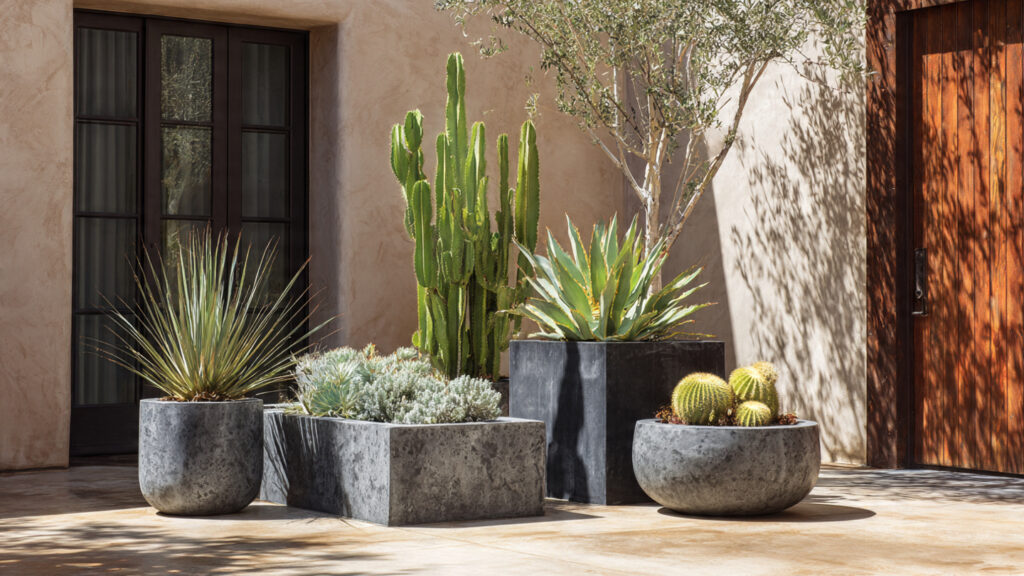
Stone & Composite Stone Planters
Natural stone, or composite stone made from resin mixed with stone aggregate, offers elegance and durability.
Advantages
- Very strong and visually striking.
- Can mimic high-end natural stone at a fraction of the weight when using composites.
- Weather-resistant and low-maintenance if sealed.
Disadvantages
- Solid stone can be extremely heavy.
- Composites may still require occasional cleaning to maintain appearance.
Best Uses
- Luxury gardens, hotel patios, and outdoor commercial spaces.
- Large decorative installations and focal points.
- Situations requiring a natural stone appearance without the extreme weight.
Key Considerations When Choosing Outdoor Planters
- Climate: Frost-prone areas need durable, insulated materials like concrete, stone, or treated wood. Hot, sunny regions benefit from light-colored, UV-resistant materials.
- Weight & Mobility: Fiberglass and resin are ideal for rooftops or balcony gardens. Heavy materials like concrete or stone are better for permanent installations.
- Plant Needs: Succulents and cacti do well in breathable materials like concrete or stone, while moisture-loving plants may prefer resin or glazed ceramic.
- Aesthetic Goals: Match planter material to your garden or patio style—modern, rustic, industrial, or tropical.
- Maintenance: Some materials require regular sealing or treatment, while others remain low-maintenance for years.
Trends in Outdoor Planters for 2026
- Sustainable Materials: Biodegradable, recycled, and eco-friendly composites are growing in popularity.
- Smart Planters: Built-in sensors monitor soil moisture, temperature, and sunlight exposure.
- Lightweight Imitations: Fiberglass and resin mimicking heavy stone or concrete without weight concerns.
- Modular & Stackable Designs: Planters that can expand vertically or horizontally for urban and small-space gardening.
- Statement Planters: Oversized planters as focal points, often in bold colors or unique geometric shapes.
Final Thoughts
Choosing the right material for outdoor planters is essential to combine aesthetics, plant health, and functionality. Fiberglass, concrete, resin, metal, wood, and stone all offer unique advantages suited to different environments and garden styles. Consider your climate, plant requirements, desired aesthetics, and maintenance capacity when selecting a planter.
In 2026, modern outdoor planter trends emphasize sustainability, lightweight alternatives to heavy traditional materials, and smart technology integration. By carefully choosing materials that balance beauty, durability, and practicality, your outdoor planters can enhance your space while supporting healthy, thriving plants.
Whether you are designing a rooftop garden, modern terrace, or classic backyard oasis, the right planter material sets the foundation for a flourishing outdoor space that will remain visually stunning and functional for years to come.