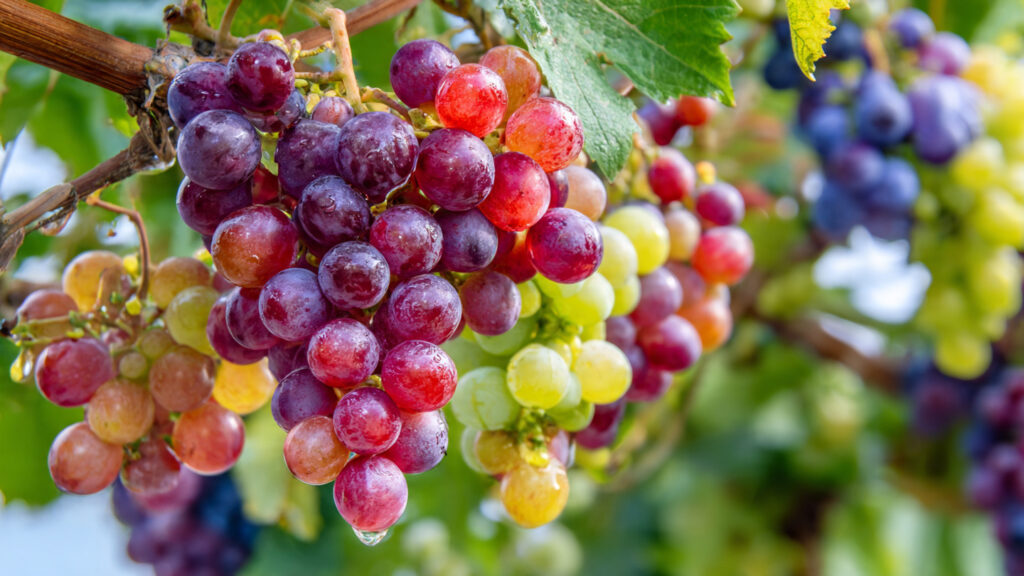
Growing grapes at home is a deeply rewarding experience. From watching tender green shoots unfurl in spring to harvesting sun-warmed clusters in late summer, grape cultivation connects gardeners directly to one of the world’s oldest cultivated fruits. Whether you dream of fresh table grapes, homemade juice, or even small-batch wine, grapevines can thrive in home gardens with the right care and planning.
This ultimate guide will walk you through everything you need to know—from selecting varieties to harvesting and enjoying your grapes straight from the vine.
Why Grow Grapes at Home?
Grapes are not only delicious but also practical for home gardens. Here’s why they’re a great choice:
- Long lifespan (many vines produce for 20–30 years or more)
- High yield per plant
- Beautiful ornamental value
- Versatile culinary uses
- Can be grown in small gardens or even containers
Once established, grapevines require relatively moderate maintenance and reward you with abundant harvests year after year.
Choosing the Right Grape Variety
Selecting the right variety is the first and most important step. Different grape types thrive in different climates.
1. European Grapes
Vitis vinifera
These are classic wine and table grapes. They prefer warm, dry climates and include many well-known wine varieties.
2. American Grapes
Vitis labrusca
These are more cold-hardy and disease-resistant. They are excellent for beginners and humid regions.
3. Muscadine Grapes
Vitis rotundifolia
Ideal for hot and humid climates, especially in southern regions.
When choosing a variety, consider:
- Your climate zone
- Available sunlight
- Intended use (table, juice, wine)
- Disease resistance
Local nurseries often stock varieties best suited to your area.
Climate and Sunlight Requirements
Grapes love sunshine. For healthy vines and sweet fruit:
- Provide at least 6–8 hours of direct sunlight daily.
- Ensure good air circulation to reduce fungal diseases.
- Avoid frost-prone low spots.
Most grape varieties prefer warm summers and mild winters. However, cold-hardy varieties can withstand freezing temperatures if properly pruned and protected.
Soil Preparation for Strong Vines
Healthy soil is essential for vigorous vines and flavorful grapes.
Ideal Soil Conditions:
- Well-draining soil
- Slightly acidic to neutral pH (5.5–7.0)
- Moderate fertility
Avoid heavy clay or waterlogged soil. Grapevines dislike “wet feet,” and poor drainage can cause root rot.
Preparing the Planting Site:
- Loosen soil 12–18 inches deep.
- Mix in compost or aged manure.
- Improve drainage with sand or organic matter if needed.
- Install trellis supports before planting.
Strong foundations lead to long-lasting productivity.
➡️ How to Grow Malabar Spinach from Cuttings for Fast, Easy Greens
➡️ How to Grow Super Delicious Cabbage at Home Without a Garden
➡️ How to Grow Bean Sprouts at Home in Plastic Bottles Easily (Step‑by‑Step Guide)
➡️ Why is Your Lemon Tree Blooming in the Heart of Winter?
➡️ Why Should Your Garden Have a Dedicated Pollinator Highway?
➡️ Why Do Your Fruit Trees Need a Winter Wash to Thrive in Spring?
➡️ How Can Rice Water Transform Your Fruits into Sweeter Delights?
➡️ Jumpstart Your Winter Garden: Seed Starting Under Lights
Planting Grapevines
Grapevines are typically planted in early spring while dormant.
Step-by-Step Planting:
- Dig a hole wide enough to spread the roots.
- Place the vine so the graft union (if present) sits above soil level.
- Backfill with soil and press gently.
- Water thoroughly.
- Mulch around the base to retain moisture.
Space vines about 6–8 feet apart, depending on variety and trellis system.
The Importance of Trellising
Grapevines are natural climbers and require support.
Common trellis systems include:
- Single-wire trellis
- Double-wire trellis
- Pergola or arbor systems
Trellising improves:
- Air circulation
- Sun exposure
- Fruit quality
- Ease of harvest
A well-built trellis ensures your vines grow upward rather than sprawling across the ground.
Watering and Fertilizing
Watering
Young vines need consistent moisture during their first year. After establishment:
- Water deeply but infrequently.
- Avoid overwatering.
- Reduce watering near harvest to enhance sweetness.
Fertilizing
Grapes are moderate feeders.
- Apply compost annually in spring.
- Use balanced fertilizer sparingly.
- Avoid excess nitrogen, which promotes leaf growth over fruit.
Healthy vines produce balanced growth—too much foliage can reduce fruit production.
Pruning: The Key to Abundant Harvests
Pruning is essential for grape production. Grapes fruit on new growth that emerges from one-year-old wood.
When to Prune:
Late winter or early spring, while vines are dormant.
Why Prune?
- Encourages fruit production
- Maintains vine shape
- Prevents overcrowding
- Improves airflow
Without pruning, vines produce excessive foliage and fewer grapes.
Two common pruning systems:
- Cane pruning
- Spur pruning
Learning proper pruning techniques dramatically increases yield and fruit quality.
Managing Pests and Diseases
While grapes are resilient, they can face several challenges.
Common Issues:
- Powdery mildew
- Downy mildew
- Aphids
- Japanese beetles
- Birds
Prevention Tips:
- Ensure good airflow through pruning.
- Avoid overhead watering.
- Use organic sprays if necessary.
- Install bird netting near harvest time.
Early detection and proper care prevent most problems from becoming severe.
Flowering and Fruit Development
In spring, grapevines produce small green flower clusters. These self-pollinating flowers develop into grape clusters.
Factors affecting fruit set:
- Adequate sunlight
- Proper pruning
- Moderate fertilization
- Consistent watering
By mid to late summer, clusters swell and begin ripening.
Harvesting Your Grapes
Harvest time depends on variety and climate, usually late summer to early fall.
Signs of Ripeness:
- Full color development
- Sweet taste
- Slight softness
- Seeds turn brown (if seeded variety)
Unlike some fruits, grapes do not ripen further after being picked. Always taste before harvesting to ensure sweetness.
Use pruning shears to cut clusters cleanly from the vine.
From Vine to Table: Enjoying Your Harvest
Freshly harvested grapes are incredibly versatile.
You can:
- Eat them fresh
- Freeze for snacks
- Make juice
- Prepare jam or jelly
- Dry them into raisins
- Experiment with homemade wine
The satisfaction of enjoying fruit you nurtured from vine to table is unmatched.
Growing Grapes in Small Spaces
Limited garden space doesn’t mean you can’t grow grapes.
Container Growing:
- Use a large pot (at least 15–20 gallons).
- Ensure strong trellis support.
- Choose compact or dwarf varieties.
- Maintain consistent watering.
Balconies, patios, and rooftops can support grape cultivation with proper planning.
Seasonal Care Calendar
Spring
- Prune dormant vines.
- Apply compost.
- Monitor new growth.
Summer
- Train vines along trellis.
- Watch for pests.
- Water during dry spells.
Fall
- Harvest grapes.
- Remove fallen leaves.
Winter
- Inspect trellis.
- Protect young vines from extreme cold.
Following a seasonal routine keeps vines healthy and productive for decades.
Tips for Beginner Success
- Start with disease-resistant varieties.
- Don’t skip pruning—it’s essential.
- Avoid overfertilizing.
- Provide sturdy support structures.
- Be patient—full production often begins in year 2 or 3.
Grapevines require time to establish, but once mature, they reward gardeners generously.
The Long-Term Joy of Growing Grapes
Planting grapevines is an investment in the future. A single healthy vine can provide fruit for decades. Over time, you’ll develop a deeper understanding of pruning, training, and harvest timing.
Beyond productivity, grapevines add beauty and shade to your landscape. Arbors covered in leafy vines create inviting outdoor spaces while producing sweet, sun-ripened fruit.
Growing grapes at home is more than gardening—it’s participating in a tradition that spans thousands of years. From vine to table, every step connects you to the rhythms of nature.
Final Thoughts
Growing grapes at home is achievable for gardeners of all experience levels. With the right variety, proper sunlight, good soil, consistent pruning, and attentive care, you can enjoy abundant harvests year after year.
Whether you want fresh table grapes, homemade juice, or simply the beauty of climbing vines, grape cultivation offers both practical rewards and aesthetic charm.