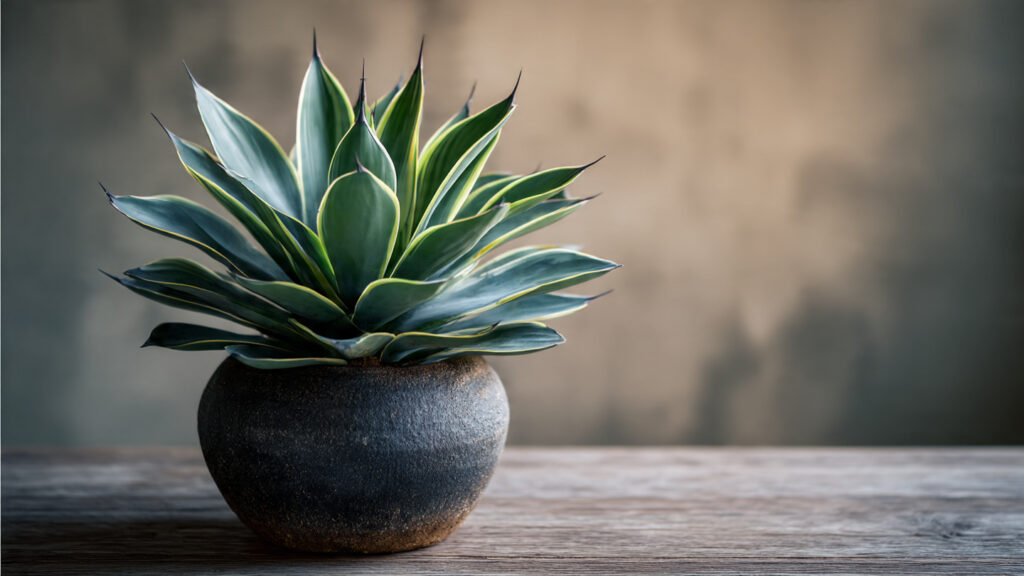
Agave plants are more than just hardy succulents—they are nature’s architectural wonders. With their dramatic rosettes, sculptural leaves, and striking presence, agave plants can instantly transform any indoor or outdoor space into a visually captivating oasis. Whether you have a small balcony, a sprawling backyard, or a minimalist indoor corner, agave can serve as a stunning focal point. In this guide, we’ll walk you through the simple steps to successfully cultivate agave and ensure it thrives as a statement plant in any environment.
Why Agave Makes a Statement
Agave’s appeal lies in its bold structure and low-maintenance nature. Unlike delicate flowers or foliage plants, agave exudes strength and elegance through its symmetrical rosettes and spiny, architectural leaves. Certain species, like the Agave americana or Agave attenuata, can grow into impressive specimens that command attention without overwhelming their surroundings. Their ability to adapt to various climates and tolerate periods of neglect makes them ideal for gardeners of all skill levels.
Beyond aesthetics, agave is also an environmentally friendly choice. It requires minimal water, thrives in poor soils, and can reduce the need for chemical fertilizers and pesticides. This combination of beauty and sustainability makes it an ideal candidate for modern homes and gardens.
Selecting the Right Agave Variety
Choosing the right variety is the first step in cultivating an agave as a statement plant. Some key considerations include:
- Size: Agave species vary significantly in size. Agave americana can grow over six feet tall and wide, creating a true centerpiece, while Agave parryi and Agave victoriae-reginae remain smaller, suitable for indoor pots or limited spaces.
- Leaf Color and Texture: From silvery-blue to deep green, agave leaves come in a spectrum of hues. Textures can range from smooth and soft to thick, rigid, and spiny, influencing the plant’s overall visual impact.
- Growth Rate: Some species grow slowly, allowing them to maintain a manageable size for years, whereas others expand quickly and need more space.
- Climate Compatibility: Certain agave varieties tolerate frost, while others thrive only in warmer, arid climates. Ensure you select a variety suited to your local conditions.
Researching the species that best fits your available space and climate ensures your agave will thrive while making the bold impression you desire.
Choosing the Perfect Location
Agave plants require sunlight and good air circulation to flourish. Selecting the right location is critical for both indoor and outdoor setups.
- Outdoor Spaces: Agave thrives in full sun but can tolerate partial shade. Ensure it is planted in an area with well-draining soil to prevent root rot. Position it where it can be admired from multiple angles, such as near patios, walkways, or garden corners.
- Indoor Spaces: If growing agave indoors, choose a spot that receives plenty of bright, indirect sunlight. Near south- or west-facing windows is ideal. A spacious area is important since agave leaves can grow long and sharp. Decorative pots with good drainage are essential to prevent waterlogged roots.
Remember, agave is a statement plant, so give it room to shine rather than crowding it among other plants.
Preparing the Soil for Success
Agave thrives in well-draining soil, as soggy conditions can lead to root rot. Here’s how to prepare the ideal soil:
- Choose the Right Mix: Use a cactus or succulent potting mix for container-grown agave. For garden beds, mix regular soil with sand, gravel, or perlite to improve drainage.
- Ensure Proper pH: Agave prefers slightly acidic to neutral soil, with a pH between 6.0 and 7.0. Conduct a soil test and amend as needed.
- Add Nutrients Sparingly: While agave is hardy, it benefits from occasional fertilization. Use a balanced, slow-release fertilizer in the growing season, but avoid over-fertilizing, which can weaken the plant and reduce its dramatic structure.
Well-prepared soil is the foundation for a healthy, visually stunning agave that can become the centerpiece of any space.
Planting Agave Properly
Planting agave correctly ensures its long-term health and aesthetic appeal. Follow these steps:
- Timing: Plant agave in the spring or early summer when temperatures are warm, promoting root establishment.
- Dig a Proper Hole: Dig a hole slightly larger than the root ball. Ensure the base of the plant sits above the soil line to prevent water accumulation around the crown.
- Spacing: Give your agave enough room to grow. Even smaller species can eventually spread several feet wide.
- Backfill Carefully: After placing the plant, backfill with soil and gently firm it around the roots. Avoid compacting too tightly, which can hinder drainage.
Once planted, water sparingly to allow the roots to settle. Overwatering at this stage can cause stress and damage.
Watering and Maintenance Tips
One of the reasons agave is popular as a statement plant is its minimal maintenance needs. However, certain care routines can enhance its appearance and longevity.
- Watering: Agave is drought-tolerant. Water deeply but infrequently, allowing the soil to dry completely between waterings. Overwatering is the most common cause of failure.
- Pruning: Remove dead or damaged leaves to maintain a clean, sculptural look. Wear gloves to protect against sharp leaf tips.
- Pests and Diseases: Agave is generally pest-resistant. However, mealybugs or fungal issues can occasionally occur. Inspect the plant regularly and address problems promptly.
- Fertilizing: Apply a low-nitrogen fertilizer in the growing season to encourage strong, vibrant leaves. Avoid high-nitrogen products, which can lead to weak, floppy growth.
Consistency in these care routines ensures your agave remains bold, healthy, and visually striking year after year.
Propagation for More Statement Plants
If you want to expand your collection or share agave with friends, propagation is simple:
- Offsets (Pups): Mature agave often produces small offsets or pups around the base. Gently remove these and plant them in their own pots or garden spaces.
- Seeds: Growing agave from seeds is slower and more suitable for patient gardeners. Ensure seeds are fresh and planted in well-draining soil with ample light.
Propagation allows you to create multiple statement points in your home or garden, extending the dramatic effect of agave throughout your space.
➡️ How to Grow Malabar Spinach from Cuttings for Fast, Easy Greens
➡️ How to Grow Super Delicious Cabbage at Home Without a Garden
➡️ How to Grow Bean Sprouts at Home in Plastic Bottles Easily (Step‑by‑Step Guide)
➡️ Why is Your Lemon Tree Blooming in the Heart of Winter?
➡️ Why Should Your Garden Have a Dedicated Pollinator Highway?
➡️ Why Do Your Fruit Trees Need a Winter Wash to Thrive in Spring?
➡️ How Can Rice Water Transform Your Fruits into Sweeter Delights?
➡️ Jumpstart Your Winter Garden: Seed Starting Under Lights
Styling Agave in Your Space
Agave’s architectural beauty lends itself to creative placement:
- Indoor Decor: Use agave in minimalist interiors to create a bold contrast with neutral furnishings. Pair with sleek pots or natural stone containers for a modern aesthetic.
- Outdoor Landscaping: Agave looks stunning as a centerpiece in rock gardens, patios, or desert-inspired landscapes. Combine with succulents, cacti, and gravel for a low-maintenance, high-impact design.
- Containers: Large agave specimens in containers can be moved to highlight seasonal outdoor areas or interior corners.
The key is to let agave’s natural structure speak for itself. Avoid overcrowding, and allow its dramatic leaves to become a focal point.
Seasonal Care and Longevity
Agave is a long-lived plant, often thriving for decades. However, its care needs can vary with the seasons:
- Summer: Full sun and occasional deep watering will keep the plant vibrant.
- Winter: Protect frost-sensitive varieties by moving potted agave indoors or providing cover outdoors. Reduce watering significantly.
- Flowering: Many agave species bloom only once, often after several years, producing a tall flower spike before dying. You can plant offsets to maintain the display without losing the original plant.
With proper attention to seasonal needs, agave can remain a striking presence in your space indefinitely.
Common Mistakes to Avoid
Even hardy agave plants can struggle if certain pitfalls aren’t avoided:
- Overwatering: The most common mistake. Ensure soil dries completely between watering.
- Crowding: Give your agave room to grow; tight spaces can distort leaf growth and reduce visual impact.
- Neglecting Sunlight: Lack of adequate light leads to weak, elongated leaves.
- Ignoring Soil Drainage: Poor drainage can cause root rot, the most serious threat to agave health.
By avoiding these missteps, you ensure your agave remains robust, healthy, and visually commanding.
Conclusion
Cultivating agave as a statement plant is both simple and rewarding. With careful selection, proper planting, minimal yet strategic care, and creative placement, agave can transform any space into a dramatic, eye-catching environment. Its bold structure, sculptural leaves, and resilient nature make it an ideal focal point for gardeners and interior decorators alike.
Whether you’re an experienced gardener or a beginner looking to add a low-maintenance yet impressive plant, agave offers a perfect balance of style and strength. By following these simple steps, you can enjoy the elegance and drama of agave while creating a unique, living work of art in your home or garden.
Embrace the boldness of agave, and watch your space transform into a sophisticated sanctuary where every glance captures the beauty of nature’s architectural masterpiece.