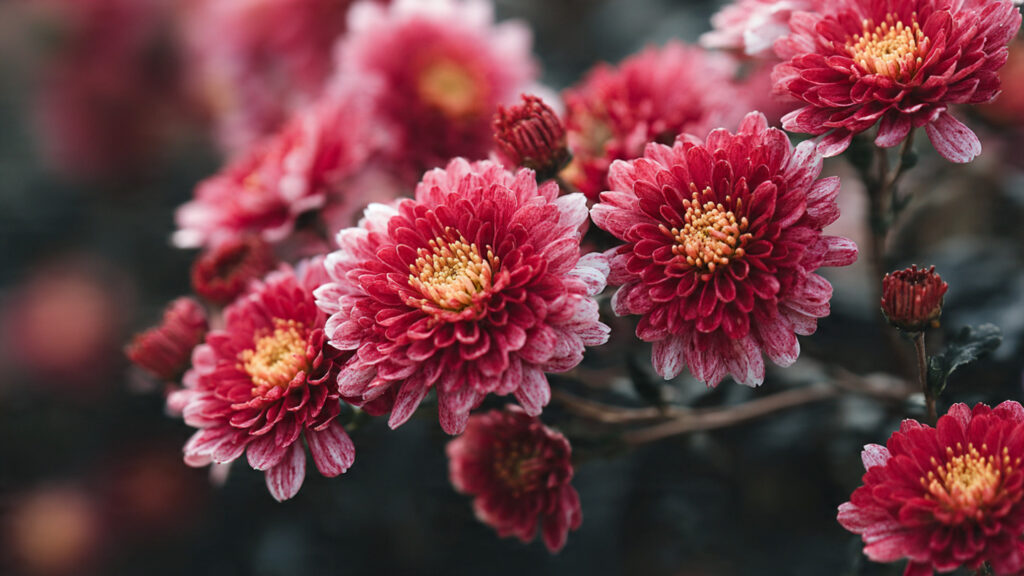
Chrysanthemums, often called “mums,” are beloved for their vibrant colors and long-lasting blooms, making them a favorite in gardens and floral arrangements alike. However, achieving lush, bushy chrysanthemums with abundant flowers doesn’t happen by chance. One of the most effective ways to ensure thriving blooms is through proper pinching techniques, a simple yet transformative practice that encourages strong growth and fuller plants. This guide will walk you through everything you need to know to master pinching chrysanthemums and enjoy a spectacular display in your garden.
Understanding the Importance of Pinching
Pinching is the process of removing the growing tips of a plant to stimulate lateral growth. In chrysanthemums, this encourages the plant to become bushier rather than growing tall and spindly. Without pinching, chrysanthemums often produce long stems with fewer flowers, which can result in a sparse, uneven display.
Key benefits of pinching chrysanthemums include:
- Promotes Lush, Bushy Growth: Pinching prevents plants from becoming leggy, ensuring they fill out evenly.
- Increases Flower Production: Each pinched stem can produce multiple lateral branches, each potentially forming blooms.
- Strengthens Stems: Bushier plants tend to have sturdier stems, reducing the risk of breakage from heavy flower heads or wind.
- Enhances Overall Garden Aesthetics: Dense, well-shaped chrysanthemums create a more visually appealing garden.
Understanding these benefits makes it clear why pinching is an essential technique for any gardener aiming for thriving chrysanthemums.
When to Start Pinching Chrysanthemums
Timing is crucial for effective pinching. Begin this practice when your chrysanthemums are still young and actively growing. Here’s a guideline:
- Early Stage: Start pinching when plants reach about 6 inches (15 cm) in height. This is typically a few weeks after transplanting seedlings or after the first signs of new growth on established plants.
- Active Growth Period: Pinching should be done during the vegetative growth phase, usually in late spring or early summer, depending on your climate. Avoid pinching once buds begin to form, as this can delay flowering.
By pinching at the right stage, you give your chrysanthemums the best chance to develop a dense, well-branched structure.
Step-by-Step Guide to Pinching Chrysanthemums
Effective pinching is simple but requires attention to detail. Follow these steps for optimal results:
1. Identify the Growing Tip
Look for the terminal bud at the top of each stem. This is the area where new growth emerges. Pinching this tip will redirect energy from vertical growth into lateral branches.
2. Use Your Fingers or Clean Tools
You can pinch using your thumb and forefinger, or use clean, sharp scissors for precision. Clean tools reduce the risk of disease transmission.
3. Pinch the Stem Correctly
Remove about 1 inch (2.5 cm) of the growing tip, making sure to include the terminal bud. For larger plants, you may remove more, but avoid over-pinching, which can stress the plant.
4. Encourage Multiple Pinches
For fuller growth, repeat pinching every 2–3 weeks during the active growing season. Monitor the plant’s response, and continue until you achieve the desired bushy shape.
5. Avoid Pinching Too Late
Once buds start to form, refrain from pinching, as this can delay or reduce flower production. Timing is critical to balance vegetative growth and blooming.
Additional Tips for Thriving Chrysanthemums
While pinching is essential, there are several other practices that complement this technique and ensure lush, vibrant chrysanthemums:
1. Proper Spacing
Plant chrysanthemums with enough space between them to allow air circulation. Crowded plants can encourage disease and limit the benefits of pinching. Ideally, leave at least 12–18 inches (30–45 cm) between each plant.
2. Regular Fertilization
Chrysanthemums thrive with balanced nutrition. Use a high-nitrogen fertilizer during the early growth phase to support leaf and stem development, and switch to a bloom-promoting fertilizer as buds start forming.
➡️ How to Grow Malabar Spinach from Cuttings for Fast, Easy Greens
➡️ How to Grow Super Delicious Cabbage at Home Without a Garden
➡️ How to Grow Bean Sprouts at Home in Plastic Bottles Easily (Step‑by‑Step Guide)
➡️ Why is Your Lemon Tree Blooming in the Heart of Winter?
➡️ Why Should Your Garden Have a Dedicated Pollinator Highway?
➡️ Why Do Your Fruit Trees Need a Winter Wash to Thrive in Spring?
➡️ How Can Rice Water Transform Your Fruits into Sweeter Delights?
➡️ Jumpstart Your Winter Garden: Seed Starting Under Lights
3. Adequate Sunlight
Mums require full sun for at least 6 hours a day. Sunlight encourages strong stems and vibrant blooms. Lack of sunlight can result in weak, leggy growth that even pinching cannot correct.
4. Watering Wisely
Keep the soil consistently moist but not waterlogged. Overwatering can lead to root rot, while underwatering stresses the plant and limits lateral growth. Use mulch to retain soil moisture and regulate temperature.
5. Disease and Pest Control
Healthy plants respond better to pinching. Watch for pests like aphids or spider mites, and treat diseases promptly to prevent damage. Regularly inspect your chrysanthemums, especially after pinching, as new growth can attract pests.
Advanced Pinching Techniques
For gardeners looking to take their chrysanthemums to the next level, consider these advanced pinching techniques:
1. Double Pinching
After the first pinch encourages lateral growth, perform a second pinch on the new shoots once they reach a few inches in length. This creates even more branches and results in a denser, more compact plant.
2. Strategic Pinching for Shape
You can shape your chrysanthemums by selectively pinching certain stems. For example, if some stems grow taller than others, pinch them to maintain an even canopy and avoid a lopsided appearance.
3. Encouraging Large Blooms
For large, showy blooms, allow a few central stems to grow unpinched while pinching surrounding branches. This strategy balances plant density with bloom size.
Common Mistakes to Avoid
Even experienced gardeners can make mistakes that limit the effectiveness of pinching:
- Pinching Too Early or Late: Timing errors can reduce branching or delay flowering.
- Over-Pinching: Removing too much growth can stress plants, especially smaller ones.
- Neglecting Plant Health: Pinching weak or diseased plants won’t produce optimal results.
- Ignoring Sunlight and Fertilization: Pinching alone cannot compensate for poor growing conditions.
Avoiding these mistakes ensures that your pinching efforts lead to strong, bushy chrysanthemums with abundant blooms.
Conclusion
Pinching chrysanthemums is a simple yet powerful technique that transforms ordinary plants into lush, bushy displays filled with thriving blooms. By understanding when and how to pinch, repeating the process as needed, and complementing it with proper care—like adequate sunlight, watering, fertilization, and disease management—you can achieve chrysanthemums that impress with their size, color, and fullness.
Whether you’re a beginner or an experienced gardener, mastering pinching techniques will elevate your garden’s aesthetics and allow you to enjoy the full beauty of chrysanthemums season after season. With patience, attention, and consistent care, your chrysanthemums will reward you with vibrant, abundant blooms that make every garden space shine.