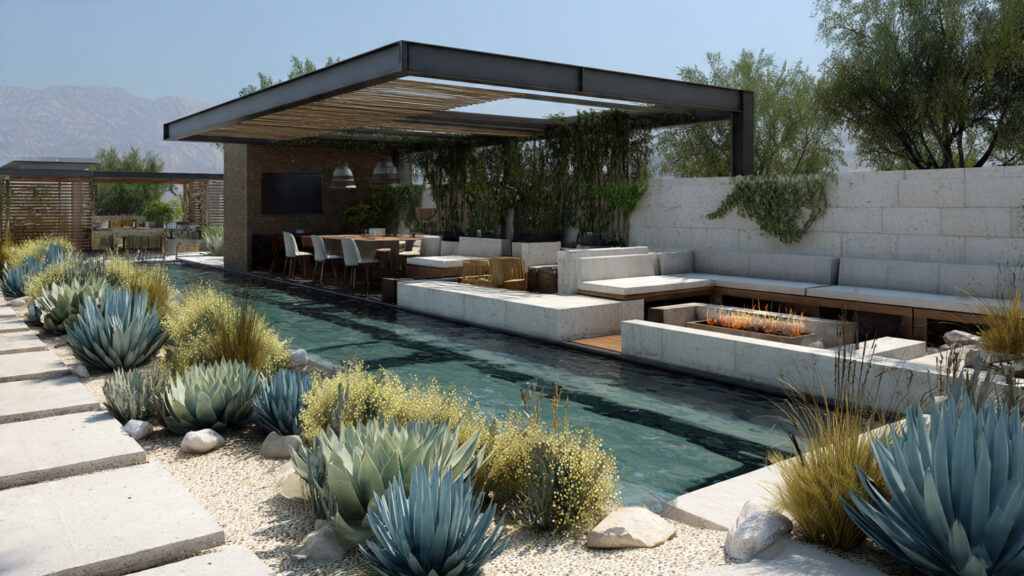
In modern landscape design, striking plants that combine architectural form with low-maintenance care are highly sought after. One plant that perfectly fits this description is the century plant (Agave americana). Known for its bold, spiky leaves and dramatic rosette form, the century plant can serve as the centerpiece of a contemporary garden, bringing both elegance and a touch of the exotic to your outdoor space. Despite its intimidating appearance, it is surprisingly easy to care for and thrives in a variety of climates. In this article, we’ll explore how to use the century plant to create a contemporary oasis, including design ideas, planting tips, and maintenance guidance.
Why Choose Century Plant for Modern Landscapes?
Century plant is more than just a dramatic statement—it offers numerous advantages for contemporary landscaping:
1. Architectural Form
The century plant’s large, symmetrical rosette of spiny leaves creates a strong architectural focal point. Its bold, geometric shape adds structure and contrast, making it ideal for modern gardens that favor clean lines and minimalistic design.
2. Low Maintenance
Unlike many ornamental plants, the century plant is drought-tolerant and thrives in poor soil conditions. Once established, it requires minimal watering, pruning, or fertilizing, making it a perfect choice for gardeners seeking low-maintenance yet visually striking plants.
3. Versatility
Century plants work well in various landscape settings:
- Xeriscapes: Perfect for water-wise gardens.
- Rock Gardens: Their bold form contrasts beautifully with stones and gravel.
- Container Gardens: Smaller cultivars thrive in large pots on patios or terraces.
4. Longevity and Impact
True to its name, the century plant is long-lived. Though it blooms only once in its lifetime (after 10–30 years), the plant’s dramatic form ensures it remains a prominent feature in your landscape for decades.
Designing a Contemporary Oasis with Century Plant
Integrating century plants into a modern landscape requires careful planning to highlight their sculptural beauty. Here are some tips:
1. Focal Points and Statement Features
Place century plants in locations where they naturally draw attention, such as the center of a minimalist courtyard, at the entrance of a pathway, or as a centerpiece in a rock garden. Their symmetrical form naturally commands visual focus, making them ideal statement plants.
2. Complement with Minimalist Hardscapes
Modern gardens often feature clean surfaces and minimal clutter. Century plants pair beautifully with materials like concrete, gravel, and smooth stone. Surround them with neutral-colored pathways or gravel beds to emphasize their dramatic green-gray leaves.
3. Layering and Contrast
While century plants are striking alone, layering them with smaller, contrasting plants creates depth. Consider pairing with:
- Ornamental grasses: Add texture and movement.
- Succulents or cacti: Complement the arid aesthetic and low water needs.
- Flowering perennials: Provide seasonal color and soften the spiky silhouette.
4. Container Placement
For patios, terraces, or small urban gardens, century plants in large containers create a sculptural focal point. Use oversized pots with neutral colors like gray, black, or terracotta to enhance the contemporary vibe. Containers also allow easy repositioning, which is useful in designing flexible garden layouts.
Choosing the Right Variety
While Agave americana is the classic century plant, several cultivars offer unique traits suitable for different landscape designs:
- Agave americana ‘Marginata’: Features yellow-edged leaves, adding contrast and brightness.
- Agave americana ‘Variegata’: A smaller, variegated option for patios or tight spaces.
- Agave parryi: Compact, symmetrical rosettes perfect for minimalist gardens.
- Agave attenuata: Soft, spineless leaves offer a subtler, modern look for contemporary designs.
Choosing the right variety ensures your garden maintains balance and complements your design aesthetic.
Planting Century Plants
Century plants thrive in well-draining soil and sunny conditions. Here’s how to plant them for maximum impact:
1. Soil Preparation
Ensure the soil is sandy or gravelly for excellent drainage. Avoid heavy clay soil, which retains water and can cause root rot. Adding organic compost or sand improves drainage and promotes healthy root growth.
➡️ How to Grow Malabar Spinach from Cuttings for Fast, Easy Greens
➡️ How to Grow Super Delicious Cabbage at Home Without a Garden
➡️ How to Grow Bean Sprouts at Home in Plastic Bottles Easily (Step‑by‑Step Guide)
➡️ Why is Your Lemon Tree Blooming in the Heart of Winter?
➡️ Why Should Your Garden Have a Dedicated Pollinator Highway?
➡️ Why Do Your Fruit Trees Need a Winter Wash to Thrive in Spring?
➡️ How Can Rice Water Transform Your Fruits into Sweeter Delights?
➡️ Jumpstart Your Winter Garden: Seed Starting Under Lights
2. Location and Spacing
Century plants can grow large, sometimes reaching 6–10 feet in diameter. Space them adequately to allow for growth and airflow, preventing overcrowding and emphasizing their sculptural form.
3. Planting Technique
- Dig a hole slightly larger than the root ball.
- Place the plant in the hole and backfill with soil, ensuring the base of the rosette is slightly above soil level to prevent water accumulation.
- Water lightly after planting to settle the soil around the roots.
4. Mulching
Apply a thin layer of gravel or small stones around the base to reduce weed growth and improve drainage. Avoid organic mulch near the crown, as it can trap moisture and lead to rot.
Watering and Care
Century plants are drought-tolerant but benefit from occasional watering, especially during hot, dry periods:
- Young plants: Water weekly during the first growing season to establish roots.
- Established plants: Water deeply once a month in dry weather.
- Avoid overwatering: Excess moisture is the main cause of disease in century plants.
Other care tips include removing damaged leaves and protecting young plants from frost.
Using Century Plants in Different Garden Styles
1. Minimalist Modern Garden
A single large century plant against a neutral backdrop—like concrete walls or gravel—creates a clean, minimalist look. Pair with a few smaller succulents for contrast.
2. Mediterranean Landscape
Mix century plants with olive trees, lavender, and stone pathways for a Mediterranean feel. Their drought tolerance complements the low-water theme.
3. Urban Courtyards and Rooftop Gardens
Century plants in large containers bring a sculptural focal point to small urban spaces. Their bold form can anchor the design and provide a natural partition or focal feature.
4. Xeriscaping and Rock Gardens
Combine century plants with rocks, gravel, and drought-resistant perennials. This creates a low-maintenance, water-wise garden that’s visually striking and environmentally sustainable.
Blooming: The Century Plant’s Dramatic Finale
True to its name, the century plant blooms only once in its lifetime. The flowering stalk can rise 20–30 feet in height, producing clusters of yellow or greenish flowers. While this may seem rare, it’s a dramatic visual event and a natural part of the plant’s life cycle. After flowering, the main rosette dies, but offsets (pups) at the base continue growing, ensuring the garden remains lush.
This rare bloom adds an element of excitement and anticipation to your garden, making the century plant a long-term investment in both beauty and intrigue.
Safety Considerations
While visually stunning, century plants have sharp spines along their leaf edges, which can cause injury. Consider the following:
- Plant away from high-traffic areas, especially where children or pets play.
- Wear gloves and long sleeves when handling or pruning.
- Use soft-edged varieties like Agave attenuata if safety is a concern.
Conclusion: Transform Your Landscape into a Contemporary Oasis
The century plant is a showstopper in any landscape design. Its bold architectural form, low-maintenance care, and dramatic presence make it an ideal choice for contemporary gardens. By carefully selecting the right variety, designing thoughtful layouts, and providing minimal yet proper care, you can transform your outdoor space into a modern oasis that balances aesthetics with sustainability.
From urban terraces to expansive xeriscapes, century plants provide structure, texture, and a lasting sense of elegance. Whether you’re creating a minimalist retreat, a rock garden, or a Mediterranean-inspired haven, the century plant promises to be the centerpiece of your landscape for years to come. With its combination of beauty, resilience, and timeless appeal, it’s no wonder gardeners are choosing century plants to elevate their modern outdoor designs.