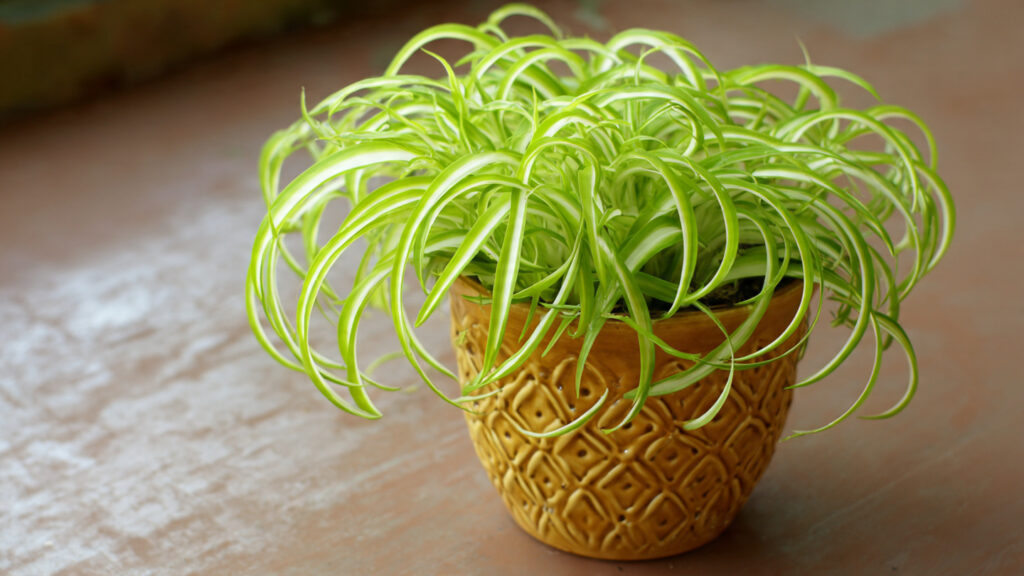
Spider plants are among the most popular indoor plants, and the Bonnie curly spider plant is a particularly charming variety known for its curly, vibrant green leaves and hardy nature. Whether you’re a beginner or an experienced plant enthusiast, growing Bonnie curly spider plants indoors can brighten your home, purify the air, and bring life to any space. This ultimate guide will walk you through everything you need to know—from choosing the right plant and pot to watering, fertilizing, and troubleshooting common issues—so your spider plants thrive beautifully indoors.
Why Choose Bonnie Curly Spider Plants?
The Bonnie variety (Chlorophytum comosum ‘Bonnie’) stands out from the standard spider plant due to its curly, spiraling leaves that add a playful, decorative touch to any indoor environment. Here’s why it’s a fantastic choice:
- Air Purifying: Spider plants remove toxins like formaldehyde and xylene from indoor air, improving overall air quality.
- Low Maintenance: They are forgiving of occasional neglect, making them perfect for beginners.
- Easy Propagation: Bonnie spider plants produce baby plantlets (spiderettes) that can be rooted in water or soil, multiplying your indoor greenery.
- Visual Appeal: Their unique curly foliage and arching leaves create a dynamic, elegant look for shelves, hanging baskets, or tabletops.
With these benefits, it’s easy to see why Bonnie curly spider plants are a must-have for indoor gardening enthusiasts.
Selecting the Perfect Bonnie Spider Plant
Choosing a healthy plant is the first step toward indoor gardening success. Look for the following when purchasing a Bonnie spider plant:
- Leaf Color and Curl: Leaves should be a vibrant green with healthy spirals. Avoid plants with yellowing tips or brown spots.
- Root System: Check that roots are white, firm, and not overcrowded in the pot. Root-bound plants may require repotting soon.
- Plantlets: Baby spiderettes indicate a healthy, mature plant ready to propagate.
Opting for a robust plant from the start ensures faster growth and fewer maintenance challenges.
Choosing the Right Container and Soil
Bonnie spider plants are adaptable but thrive best in well-draining soil and suitable containers.
- Pot Selection: Choose a pot with drainage holes to prevent waterlogging, which can cause root rot. Hanging baskets are ideal for displaying the cascading curly leaves.
- Soil Mix: Use a lightweight, well-draining potting mix. A combination of standard potting soil with perlite or sand enhances drainage and aeration.
- Pot Size: Start with a pot slightly larger than the plant’s root system. Spider plants prefer slightly snug pots but will need repotting as they grow.
Correct soil and pot choice sets the foundation for healthy, thriving spider plants.
Proper Lighting for Indoor Growth
Lighting plays a crucial role in the health and vibrancy of Bonnie curly spider plants:
- Bright, Indirect Light: Place your plant near a window with filtered sunlight. East or west-facing windows are ideal.
- Avoid Direct Sunlight: Harsh sun can scorch the leaves, causing yellowing or brown tips.
- Low Light Tolerance: While spider plants can survive in low light, growth will slow, and leaf curl may diminish.
A well-lit spot ensures lush foliage and healthy baby plant production.
Watering Tips for Healthy Spider Plants
Overwatering or underwatering is one of the most common mistakes with spider plants. Follow these tips:
- Check the Soil: Water only when the top inch of soil is dry. Stick your finger into the soil to check moisture levels.
- Watering Frequency: Typically, every 1–2 weeks is sufficient, depending on indoor humidity and temperature.
- Avoid Waterlogging: Always remove excess water from the saucer to prevent root rot.
- Humidity: Spider plants tolerate normal indoor humidity but appreciate occasional misting in dry conditions.
Consistent, appropriate watering ensures your Bonnie spider plant remains vibrant and curly.
Fertilizing Your Bonnie Spider Plant
To promote growth and curly foliage, feeding your spider plant is essential:
- Use a Balanced Fertilizer: A water-soluble, balanced fertilizer (like 10-10-10 NPK) works well.
- Fertilizing Schedule: Feed every 4–6 weeks during the growing season (spring and summer). Reduce feeding in fall and winter.
- Avoid Over-Fertilizing: Excess fertilizer can burn roots and damage foliage. Follow label instructions carefully.
Proper nutrition encourages thick, curly leaves and healthy plantlets for propagation.
Propagating Bonnie Spider Plants
One of the joys of owning a Bonnie spider plant is its easy propagation. Here’s how:
- Identify Plantlets: Look for small spiderettes growing at the end of long stems.
- Water Propagation: Place plantlets in a glass of water until roots develop, then transplant to soil.
- Soil Propagation: Plant the baby directly in a pot with moist, well-draining soil and keep lightly watered until established.
Propagation not only increases your indoor plant collection but also makes wonderful gifts for friends and family.
➡️ How to Grow Malabar Spinach from Cuttings for Fast, Easy Greens
➡️ How to Grow Super Delicious Cabbage at Home Without a Garden
➡️ How to Grow Bean Sprouts at Home in Plastic Bottles Easily (Step‑by‑Step Guide)
➡️ Why is Your Lemon Tree Blooming in the Heart of Winter?
➡️ Why Should Your Garden Have a Dedicated Pollinator Highway?
➡️ Why Do Your Fruit Trees Need a Winter Wash to Thrive in Spring?
➡️ How Can Rice Water Transform Your Fruits into Sweeter Delights?
➡️ Jumpstart Your Winter Garden: Seed Starting Under Lights
Pruning and Maintenance
Regular maintenance keeps your Bonnie spider plant looking its best:
- Trim Brown Tips: Cut off brown or dry leaf tips with clean scissors. This encourages healthy growth.
- Remove Dead Leaves: Removing yellowing or dead leaves improves airflow and reduces disease risk.
- Control Spiderettes: If plantlets grow excessively, prune or propagate them to maintain a tidy appearance.
Routine pruning ensures your plant maintains its full, curly shape and vibrant health.
Common Problems and How to Solve Them
Even hardy Bonnie spider plants can face occasional issues:
- Brown Leaf Tips: Often caused by over-fertilizing, low humidity, or inconsistent watering. Trim tips and adjust care routines.
- Yellow Leaves: May indicate overwatering or poor drainage. Check soil moisture and improve pot drainage.
- Pests: Spider plants may attract aphids or spider mites. Wipe leaves with a damp cloth or use a mild insecticidal soap.
With attentive care, most problems are easily corrected, keeping your plant thriving.
Display Ideas for Indoor Spaces
Bonnie curly spider plants are versatile and visually appealing, perfect for creative indoor displays:
- Hanging Baskets: Showcase cascading curly leaves in living rooms or near windows.
- Shelves and Stands: Elevate the plant to highlight its unique foliage patterns.
- Grouped Arrangements: Pair with other houseplants for a lush indoor jungle effect.
The curly texture and green vibrancy of the Bonnie variety enhance the aesthetic of any indoor space.
Benefits Beyond Beauty
Growing Bonnie curly spider plants indoors isn’t just about visual appeal:
- Air Purification: Removes toxins, improving air quality.
- Stress Reduction: Indoor greenery has been shown to reduce stress and boost mood.
- Educational Value: Propagation and plant care teach children and adults about responsibility and plant biology.
These benefits make the Bonnie spider plant both a decorative and functional addition to any home.
Final Thoughts
The Bonnie curly spider plant is a resilient, beautiful, and air-purifying houseplant that brings life and charm to indoor spaces. With proper lighting, watering, fertilizing, and occasional pruning, these plants can thrive for years, producing lush, curly foliage and endless baby plantlets for propagation.
Whether you’re a beginner looking for an easy-to-care-for plant or an experienced indoor gardener seeking a low-maintenance centerpiece, the Bonnie spider plant is an excellent choice. By following this ultimate guide, you can ensure your indoor garden remains vibrant, healthy, and full of life—creating a green sanctuary that both you and your plants will love.