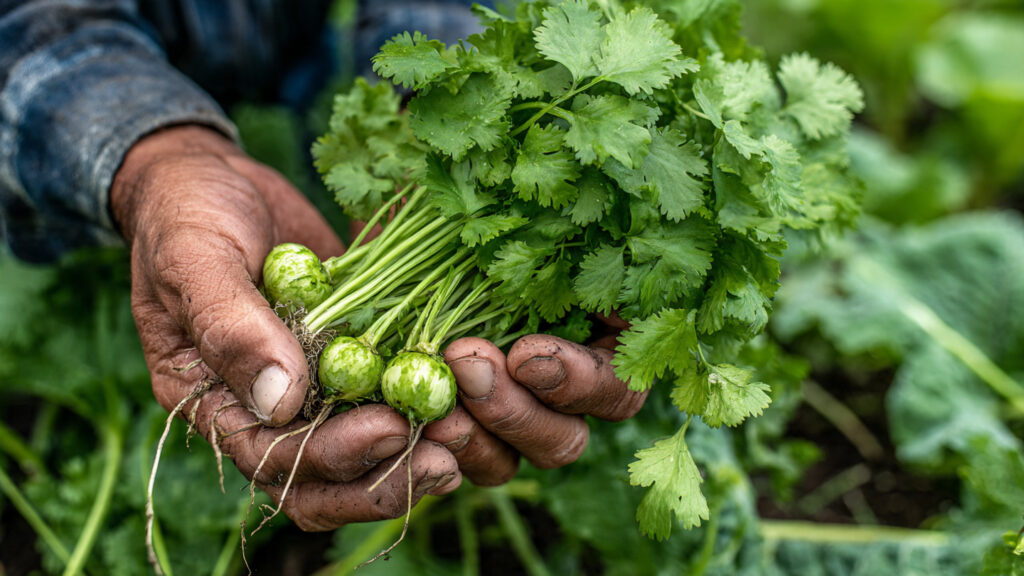
Coriander, also known as cilantro or dhania, is a fragrant herb widely used in cuisines around the world. Its fresh leaves, stems, and seeds add flavor, aroma, and nutritional value to dishes. However, many gardeners struggle to keep coriander producing continuously, as it tends to bolt or stop growing in certain seasons. With proper techniques and care, you can grow coriander all year round and enjoy a continuous harvest, ensuring that your kitchen never runs out of this versatile herb. Here’s a comprehensive guide to growing coriander successfully through every season.
1. Understanding Coriander Growth Habits
Before planting, it’s important to understand the natural growth habits of coriander. This herb grows quickly, prefers cooler weather, and has a short life cycle.
Key Characteristics:
- Coriander grows best in temperatures between 50–85°F (10–29°C).
- It tends to bolt (flower and set seeds) quickly in hot weather, which can shorten the harvesting period for leaves.
- Coriander can be grown from seeds directly sown in soil, or in containers indoors or outdoors, making it versatile for year-round production.
Knowing these traits helps you plan planting schedules and implement strategies to maintain continuous growth.
2. Choosing the Right Location
Coriander thrives in full sun, but it also tolerates partial shade, especially in hotter climates. Choosing the right location is crucial for healthy, vigorous plants.
Tips for Selecting a Location:
- Select a spot that receives at least 4–6 hours of sunlight per day.
- Ensure the soil is well-draining to prevent waterlogging, which can cause root rot.
- For year-round growth, consider growing in containers or raised beds to move plants indoors during extreme cold or heat.
By providing a consistent environment, your coriander plants are less likely to bolt and will continue producing fresh leaves.
3. Preparing the Soil
Coriander prefers light, fertile soil that is rich in organic matter. Proper soil preparation ensures strong roots, healthy foliage, and better flavor.
Soil Preparation Tips:
- Use loamy or sandy soil that drains well. Avoid heavy clay soils.
- Mix in compost or well-rotted manure to provide essential nutrients and improve soil texture.
- Maintain a slightly acidic to neutral pH (6.2–7.0) for optimal growth.
- Ensure soil is loose, as coriander roots grow best in soil that allows free expansion.
Healthy soil forms the foundation for continuous growth and abundant harvests.
4. Sowing Seeds for Continuous Harvest
Coriander is best grown from seeds, which can be sown directly in the soil or in containers. To harvest continuously, stagger planting over time.
Sowing Tips:
- Sow seeds ¼–½ inch deep in rows or pots.
- Space seeds 6–8 inches apart to allow airflow and prevent overcrowding.
- For continuous harvesting, plant new seeds every 2–3 weeks. This ensures that when older plants bolt, new seedlings are ready to take their place.
- Soak seeds overnight before planting to improve germination rates.
Following these practices helps maintain a steady supply of fresh coriander leaves throughout the year.
5. Watering and Mulching
Coriander prefers consistent moisture, but overwatering can cause root rot and fungal issues. Proper watering practices combined with mulching promote healthy growth.
Watering Tips:
➡️ How to Grow Malabar Spinach from Cuttings for Fast, Easy Greens
➡️ How to Grow Super Delicious Cabbage at Home Without a Garden
➡️ How to Grow Bean Sprouts at Home in Plastic Bottles Easily (Step‑by‑Step Guide)
➡️ Why is Your Lemon Tree Blooming in the Heart of Winter?
➡️ Why Should Your Garden Have a Dedicated Pollinator Highway?
➡️ Why Do Your Fruit Trees Need a Winter Wash to Thrive in Spring?
➡️ How Can Rice Water Transform Your Fruits into Sweeter Delights?
➡️ Jumpstart Your Winter Garden: Seed Starting Under Lights
- Keep the soil evenly moist; water at the base to avoid wetting foliage.
- Reduce watering slightly during colder months to prevent waterlogging.
Mulching Tips:
- Apply a 2–3 inch layer of organic mulch around the plants.
- Mulching helps retain soil moisture, regulate temperature, and reduce weed growth.
- In hot climates, mulch protects roots from excessive heat, preventing early bolting.
Consistent moisture and temperature control contribute to longer-lasting coriander leaves.
6. Fertilization for Continuous Growth
Coriander benefits from regular feeding, especially if you want lush, flavorful leaves throughout the year.
Fertilization Tips:
- Apply balanced fertilizer or compost tea every 3–4 weeks during active growth.
- Avoid high-nitrogen fertilizers that promote leaf growth but can reduce flavor intensity.
- Incorporate organic matter like compost or vermicompost to keep plants healthy naturally.
Proper nutrition ensures your coriander plants continue producing leaves without premature flowering.
7. Controlling Bolting and Flowering
One of the biggest challenges in coriander cultivation is bolting, which occurs when plants flower prematurely. Bolted plants lose leaf quality but produce seeds for the next planting.
Tips to Reduce Bolting:
- Sow seeds in cooler seasons (spring or fall) for slower, steady growth.
- Provide partial shade during the hottest part of the day in summer.
- Harvest leaves regularly to encourage more vegetative growth and delay flowering.
- Plant slow-bolting varieties if available for your region.
These practices help you enjoy fresh coriander leaves longer before plants transition to seed production.
8. Pest and Disease Management
Coriander is relatively hardy, but it can be affected by aphids, leaf miners, and fungal diseases. Proactive care ensures a healthy, year-round harvest.
Pest and Disease Tips:
- Inspect plants regularly and remove affected leaves promptly.
- Use insecticidal soap or neem oil to manage pests naturally.
- Ensure good air circulation between plants to prevent fungal infections.
- Avoid overhead watering in humid conditions to reduce mildew and damping-off.
Maintaining plant health keeps coriander productive and reduces stress that could trigger bolting.
9. Harvesting for Maximum Yield
The key to continuous coriander production is frequent and proper harvesting.
Harvesting Tips:
- Begin harvesting when plants are 6–8 inches tall.
- Cut leaves from the outer stems first, leaving the inner shoots to continue growing.
- Avoid cutting more than one-third of the plant at a time, ensuring it can regenerate quickly.
- Regular harvesting encourages new leaf growth and delays bolting.
Consistent harvesting practices maintain a steady supply of fresh leaves and maximize yield throughout the year.
10. Growing Coriander Indoors or in Containers
To achieve year-round harvesting, consider growing coriander indoors or in containers, especially in areas with extreme seasonal changes.
Indoor Growing Tips:
- Use a well-draining potting mix in containers with drainage holes.
- Place containers in bright, sunny windows or use grow lights to supplement light.
- Rotate pots periodically to ensure even light exposure.
- Control temperature and humidity indoors to mimic ideal growing conditions (65–75°F).
Container gardening offers flexibility, protects plants from harsh weather, and allows you to enjoy coriander year-round.
11. Saving Seeds for Continuous Planting
Coriander seeds are known as coriander or dhania seeds and can be harvested from bolted plants to continue the cycle of planting.
Seed Saving Tips:
- Allow flowers to mature and form seeds naturally.
- Collect seeds once they turn brown and dry.
- Store seeds in a cool, dry, and dark place until the next planting.
- Use saved seeds for new sowings to ensure continuous growth without relying on purchased seeds.
Seed saving complements staggered planting for uninterrupted coriander harvesting.
Conclusion
Growing coriander all year round is achievable with careful planning, consistent care, and attention to environmental conditions. By understanding its growth habits, preparing well-draining soil, sowing seeds in stages, and managing watering, fertilization, and pests, you can enjoy continuous harvesting success. Container gardening and seed saving further enhance the ability to maintain a constant supply of this flavorful herb.
Whether used fresh in salads, cooked in curries, or added to sauces, coriander grown at home offers unmatched freshness and taste. By following these tips for growing coriander all year round, your garden or indoor herb setup can provide a reliable source of leaves, stems, and seeds, ensuring that this versatile herb is always within reach.
With patience, dedication, and smart gardening techniques, coriander can truly become a year-round culinary companion, adding flavor, aroma, and color to your dishes and your garden alike.