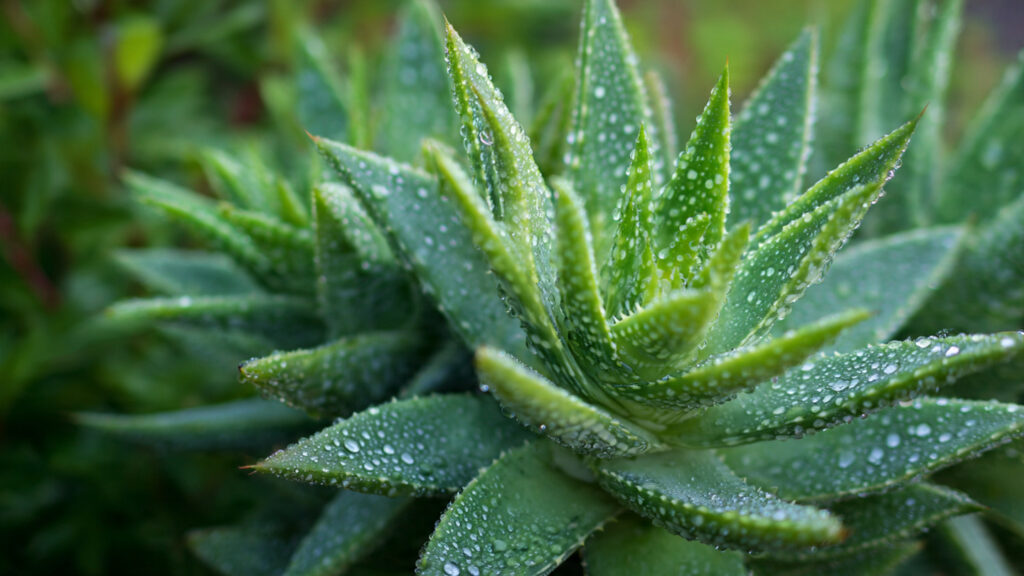
Aloe shrubs are not only visually striking but also practical and low-maintenance plants that bring both beauty and utility to your garden. With their thick, fleshy leaves, soothing gel, and architectural appeal, aloe shrubs are a gardener’s favorite for creating stunning, drought-tolerant garden beds. Growing aloe doesn’t have to be complicated; with the right techniques, even beginners can cultivate thriving aloe shrubs that enhance both indoor and outdoor spaces. This guide provides simple, effective methods to help you grow aloe shrubs successfully in your garden beds.
Why Choose Aloe Shrubs for Your Garden?
Before diving into planting techniques, it’s important to understand why aloe shrubs are an excellent choice:
- Low Maintenance – Aloe requires minimal watering and care, making it perfect for busy gardeners.
- Drought-Tolerant – Ideal for regions with irregular rainfall or dry conditions.
- Medicinal Uses – Aloe gel has natural soothing and healing properties for burns, cuts, and skin care.
- Decorative Appeal – Aloe shrubs add texture and structure to garden beds, complementing flowering plants.
- Pollinator-Friendly – Aloe flowers attract bees and hummingbirds, supporting local biodiversity.
By planting aloe shrubs, you’re investing in a garden that is visually appealing, environmentally friendly, and therapeutically beneficial.
Step 1: Choose the Right Aloe Variety
There are numerous aloe varieties suitable for garden beds. Some popular choices include:
- Aloe vera – Classic succulent known for its medicinal gel. Grows well in sunny spots and reaches moderate size.
- Aloe arborescens – Known as the “candelabra aloe,” this shrub grows taller and produces vibrant red-orange flowers.
- Aloe ferox – A large, robust aloe with dramatic leaves and striking blooms, ideal for a statement plant.
- Aloe maculata – Spotted leaves with a bushy growth habit, perfect for decorative garden clusters.
For garden beds, bushy and tall varieties like Aloe arborescens or Aloe maculata work best because they naturally fill space without overcrowding.
Step 2: Prepare the Garden Bed
Aloe thrives in well-prepared beds with proper drainage. Follow these simple steps:
- Select a sunny location – Aloe needs at least 6 hours of sunlight daily to grow vigorously.
- Ensure good drainage – Avoid waterlogging, which can cause root rot. Raised beds or slightly sloped areas work well.
- Soil preparation – Use a sandy or loamy soil with organic matter. Mix in compost or coarse sand to improve drainage.
- Spacing – Space shrubs 18–24 inches apart to allow airflow and prevent crowding.
By investing a little time in soil preparation, your aloe shrubs will establish quickly and flourish with minimal care.
Step 3: Planting Aloe Shrubs
Once your garden bed is ready, follow these simple planting steps:
- Dig the holes – Make a hole slightly larger than the aloe’s root ball.
- Position the plant – Place the aloe shrub in the hole, ensuring the base of the leaves sits just above soil level.
- Backfill soil – Gently fill around the roots with prepared soil, lightly pressing to remove air pockets.
- Water lightly – Water immediately after planting to help the roots settle, but avoid soaking the soil.
For multiple plants, consider grouping in clusters or zig-zag patterns for a natural, flowing look in the garden bed.
Step 4: Watering Techniques for Healthy Growth
Aloe shrubs are drought-tolerant, but they do need occasional watering, especially during establishment:
- Newly planted shrubs – Water once or twice a week for the first month until roots are established.
- Mature shrubs – Reduce watering to once every 2–3 weeks in dry conditions. Overwatering can lead to root rot.
- Seasonal adjustments – Water more during hot summers and less during rainy or cool seasons.
Tip: Aloe stores water in its leaves, so it can survive dry spells. Use well-draining soil to prevent water accumulation.
Step 5: Fertilizing Aloe Shrubs
Aloe is not a heavy feeder, but occasional nutrients help shrubs grow strong and produce vibrant leaves:
- Type of fertilizer – Use a succulent or cactus fertilizer with low nitrogen content. Too much nitrogen encourages leaf growth but weakens the plant.
- Frequency – Fertilize 2–3 times per year during active growth (spring and summer).
- Application – Dilute fertilizer to half the recommended strength to avoid burning the roots.
Regular fertilization encourages healthy leaf development and robust flowering.
Step 6: Pruning and Maintenance
Pruning helps aloe shrubs maintain their shape and health:
- Remove dead or damaged leaves – Cut at the base using a clean, sharp knife.
- Thin crowded growth – For older plants, remove older leaves at the center to improve airflow.
- Flower care – After flowering, remove spent flower stalks to redirect energy to leaf and root growth.
Pruning keeps aloe shrubs attractive and encourages longer-lasting health and vigor.
➡️ How to Grow Malabar Spinach from Cuttings for Fast, Easy Greens
➡️ How to Grow Super Delicious Cabbage at Home Without a Garden
➡️ How to Grow Bean Sprouts at Home in Plastic Bottles Easily (Step‑by‑Step Guide)
➡️ Why is Your Lemon Tree Blooming in the Heart of Winter?
➡️ Why Should Your Garden Have a Dedicated Pollinator Highway?
➡️ Why Do Your Fruit Trees Need a Winter Wash to Thrive in Spring?
➡️ How Can Rice Water Transform Your Fruits into Sweeter Delights?
➡️ Jumpstart Your Winter Garden: Seed Starting Under Lights
Step 7: Controlling Pests and Diseases
Aloe is generally pest-resistant, but occasional issues can arise:
- Common pests – Mealybugs, aphids, and scale insects. Use organic neem oil or insecticidal soap.
- Diseases – Root rot from overwatering or fungal infections. Ensure proper drainage and avoid waterlogging.
- Prevention – Plant in well-ventilated spaces and avoid dense crowding to minimize pest and disease risk.
By keeping aloe shrubs healthy, you can enjoy lush growth without complicated chemical treatments.
Step 8: Flowering and Aesthetic Appeal
Aloe shrubs are valued for their striking flowers:
- Most varieties bloom in winter or early spring, producing tall spikes with vibrant red, yellow, or orange flowers.
- Flowers attract bees, butterflies, and hummingbirds, adding life and movement to your garden beds.
- To encourage blooming, provide full sun, proper drainage, and occasional fertilizer.
With proper care, your aloe shrubs will not only grow rapidly but also become the centerpiece of your garden.
Step 9: Propagating Aloe for Larger Beds
Once established, aloe shrubs can be propagated to expand your garden:
- Offsets or “pups” – Mature aloe produces small offshoots at the base. Gently separate and plant in prepared soil.
- Leaf cuttings – Some aloe varieties can be propagated from healthy leaf cuttings, though this is slower.
- Seed propagation – Sow aloe seeds in sandy soil to create new shrubs, especially for rare varieties.
Propagation allows you to fill garden beds without buying new plants, ensuring a full and lush appearance.
Step 10: Benefits of Aloe Shrubs in Garden Beds
Growing aloe shrubs in your garden beds brings multiple advantages:
- Architectural beauty – Their thick, spiky leaves create visual contrast with flowering plants.
- Drought resistance – Low water needs reduce maintenance and water bills.
- Medicinal value – Leaves can be harvested for soothing gel for skin care.
- Wildlife attraction – Flowers bring pollinators and support biodiversity.
- Low-maintenance greenery – Even neglected beds look attractive with aloe shrubs.
By following simple techniques, you can enjoy all these benefits while ensuring your aloe shrubs grow successfully.
Conclusion
Aloe shrubs are a gardener’s dream: low-maintenance, drought-tolerant, and highly rewarding to grow. By following these simple techniques—selecting the right variety, preparing well-draining soil, planting correctly, and providing optimal care—you can cultivate aloe shrubs that thrive in your garden beds. From their architectural leaves to vibrant flowers, these shrubs add beauty, functionality, and ecological value to any garden space.
Start your aloe garden today and enjoy lush, healthy shrubs that not only survive but flourish, providing a stunning centerpiece and natural remedies at your fingertips. With minimal effort and a little know-how, successfully growing aloe shrubs has never been easier.