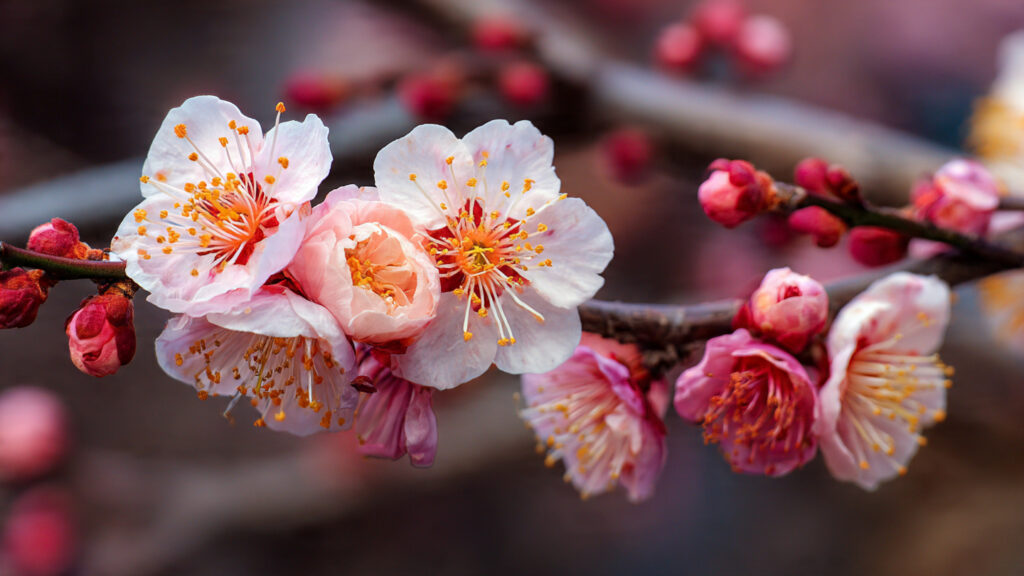
Apricots are among the most delightful fruit trees to grow in a backyard garden. Their golden-orange fruits are bursting with sweet, tangy flavor, perfect for fresh eating, jams, and desserts. Beyond their delicious taste, apricot trees also bring aesthetic beauty with delicate spring blossoms, attracting pollinators and brightening any garden space. But growing a thriving apricot tree requires more than simply planting a seed. With proper planning, care, and expert techniques, you can cultivate a healthy, productive tree that rewards you with bountiful harvests year after year.
This guide provides essential tips and expert insights for growing apricots successfully in your backyard, whether you’re a beginner or an experienced gardener.
Step 1: Choose the Right Apricot Variety
Selecting the right apricot variety for your climate and space is the first step toward a thriving tree. Apricot trees come in two main types: European (Prunus armeniaca) and Dwarf or Semi-Dwarf varieties.
- European Varieties – These trees are larger and often produce abundant fruit, ideal for spacious backyards. Popular choices include ‘Moorpark’, ‘Tilton’, and ‘Blenheim’.
- Dwarf Varieties – Perfect for small yards or container planting. Varieties like ‘Goldcot’, ‘Tomcot’, and ‘Royal Rosa’ offer manageable size while still producing sweet fruits.
- Self-Fertile vs. Cross-Pollination – Some apricots are self-fertile and can bear fruit without a second tree, while others require a pollinator for optimal fruit production. Check the variety’s requirements before planting.
Expert Tip: Choose a variety suited to your local climate to reduce disease risk and ensure a high yield. Consult your local nursery or extension office for recommendations.
Step 2: Select an Ideal Planting Location
Apricot trees thrive in sunny, well-drained locations. The right site ensures strong growth and maximizes fruit production.
- Sunlight – Apricots require at least 6–8 hours of direct sunlight daily. Full sun exposure promotes healthy flowering and fruiting.
- Soil – Well-drained, loamy soil with a pH between 6.0–7.5 is ideal. Avoid heavy clay soils or areas prone to waterlogging.
- Air Circulation – Good airflow prevents fungal diseases and reduces frost damage to blossoms. Avoid planting in low-lying frost pockets.
- Space Considerations – Apricot trees can grow 15–25 feet tall, with a spread of 15–20 feet for standard varieties. Ensure enough room for growth and pruning.
Pro Tip: Plant apricots on a gentle slope if possible, which helps cold air drain away and reduces the risk of late frost damage.
Step 3: Planting Your Apricot Tree
Proper planting is key to establishing a healthy apricot tree. Follow these steps:
- Dig a Proper Hole – Dig a hole twice as wide and as deep as the tree’s root ball. Loosen the soil at the bottom to encourage root growth.
- Amend the Soil – Mix organic compost or aged manure with the soil to provide nutrients and improve drainage.
- Position the Tree – Place the tree in the hole so that the graft union (if grafted) sits above soil level. Spread roots gently.
- Backfill and Water – Fill the hole with amended soil, tamp lightly to remove air pockets, and water thoroughly.
Expert Tip: Mulch around the base with 2–4 inches of organic mulch, keeping it a few inches from the trunk to prevent rot and retain soil moisture.
Step 4: Watering and Fertilization
Consistent watering and proper nutrition are essential for a thriving apricot tree.
- Watering – Young apricot trees need deep, regular watering, about once a week. Increase frequency during hot, dry periods. Established trees are moderately drought-tolerant but still benefit from supplemental water during flowering and fruiting.
- Fertilizing – Feed apricots with a balanced fertilizer (10-10-10) in early spring before buds break. Avoid high nitrogen fertilizers that encourage excessive leafy growth at the expense of flowers and fruits.
- Organic Fertilizers – Compost, aged manure, and fish emulsion are excellent options to provide slow-release nutrients and improve soil health.
Expert Tip: Apply fertilizer in a circular band around the tree, starting a few inches from the trunk and extending to the drip line, where the roots absorb nutrients most efficiently.
Step 5: Pruning for Health and Productivity
Pruning is vital for apricot trees to maintain shape, encourage sunlight penetration, and increase fruit yield.
- Timing – Prune in late winter or early spring while the tree is dormant. Avoid heavy pruning during the growing season, which can reduce fruiting.
- Thinning Cuts – Remove weak, crossing, or inward-growing branches to improve airflow and sunlight exposure.
- Shaping – Use open-center pruning to create a vase-like shape. This encourages fruiting branches to develop around the perimeter.
- Suckers and Water Sprouts – Remove unwanted shoots at the base and along main branches to focus energy on productive growth.
Pro Tip: Light pruning after fruit harvest helps rejuvenate the tree and prepares it for the next season’s growth.
Step 6: Pollination and Flower Care
Pollination is key to a good apricot harvest. Most apricot varieties are self-fertile, but having bees or other pollinators around dramatically improves fruit set.
- Attract Pollinators – Plant flowers nearby to attract bees and beneficial insects.
- Protect Blossoms – Apricot blossoms are sensitive to late frosts. Consider frost cloths or row covers during cold snaps.
- Hand Pollination – For small backyard trees, gently transferring pollen from one blossom to another with a small brush can enhance fruiting.
Expert Tip: A healthy flower-to-fruit ratio is critical. Too many flowers can stress the tree, so consider thinning some blooms for optimal fruit size and quality.
Step 7: Pest and Disease Management
Apricot trees are susceptible to pests and diseases if not properly cared for. Early identification and intervention are essential.
➡️ How to Grow Malabar Spinach from Cuttings for Fast, Easy Greens
➡️ How to Grow Super Delicious Cabbage at Home Without a Garden
➡️ How to Grow Bean Sprouts at Home in Plastic Bottles Easily (Step‑by‑Step Guide)
➡️ Why is Your Lemon Tree Blooming in the Heart of Winter?
➡️ Why Should Your Garden Have a Dedicated Pollinator Highway?
➡️ Why Do Your Fruit Trees Need a Winter Wash to Thrive in Spring?
➡️ How Can Rice Water Transform Your Fruits into Sweeter Delights?
➡️ Jumpstart Your Winter Garden: Seed Starting Under Lights
- Common Pests – Aphids, spider mites, and borers can damage leaves and stems. Use organic insecticidal soap or neem oil for control.
- Diseases – Brown rot, bacterial canker, and leaf curl are common. Proper pruning, good air circulation, and removing infected plant parts prevent spread.
- Sanitation – Clear fallen leaves and decayed fruits regularly to reduce the risk of disease.
Expert Tip: Consider planting disease-resistant apricot varieties if you live in humid or wet climates, which lowers maintenance and ensures healthier trees.
Step 8: Harvesting Apricots
Harvesting at the right time ensures maximum flavor and sweetness.
- Maturity Signs – Fruits are ready when they turn golden-orange, slightly soft to the touch, and release a sweet aroma.
- Timing – Apricots ripen from late spring to early summer, depending on the variety and climate.
- Gentle Handling – Apricots bruise easily; pick them carefully with stems intact.
Pro Tip: Harvest fruits in the morning after dew dries. Store in a cool, shaded place to maintain freshness.
Step 9: Winter Care and Maintenance
Apricot trees need some protection and care during colder months:
- Mulching – Add extra mulch around the base to insulate roots.
- Pruning – Remove dead or diseased branches during dormancy.
- Frost Protection – Use frost blankets for young trees or sensitive varieties.
Expert Tip: A dormant tree in winter focuses energy on root development and prepares for a vigorous spring growth and abundant fruiting season.
Step 10: Enjoy the Fruits of Your Labor
A thriving apricot tree rewards you not only with delicious fruit but also with visual beauty and gardening satisfaction. Freshly harvested apricots can be enjoyed in:
- Smoothies and fruit salads
- Homemade jams and preserves
- Pies, tarts, and desserts
- Dried apricots for long-term storage
Beyond culinary uses, your apricot tree adds shade, attracts pollinators, and becomes a centerpiece of your backyard garden.
Final Thoughts
Growing an apricot tree in your backyard is a rewarding endeavor that combines the joy of gardening with the pleasure of fresh, homegrown fruit. By choosing the right variety, preparing soil properly, providing consistent care, and following expert pruning and maintenance techniques, you can cultivate a tree that thrives for decades.
Remember: patience is key. Apricot trees may take a few years to reach full fruit-bearing potential, but the experience, knowledge, and satisfaction of growing your own fruit tree are priceless. With these essential tips, your backyard can become a haven of beauty, flavor, and abundance.
Start today, nurture your tree with care, and soon you’ll enjoy the sweet, tangy taste of apricots picked fresh from your own backyard!