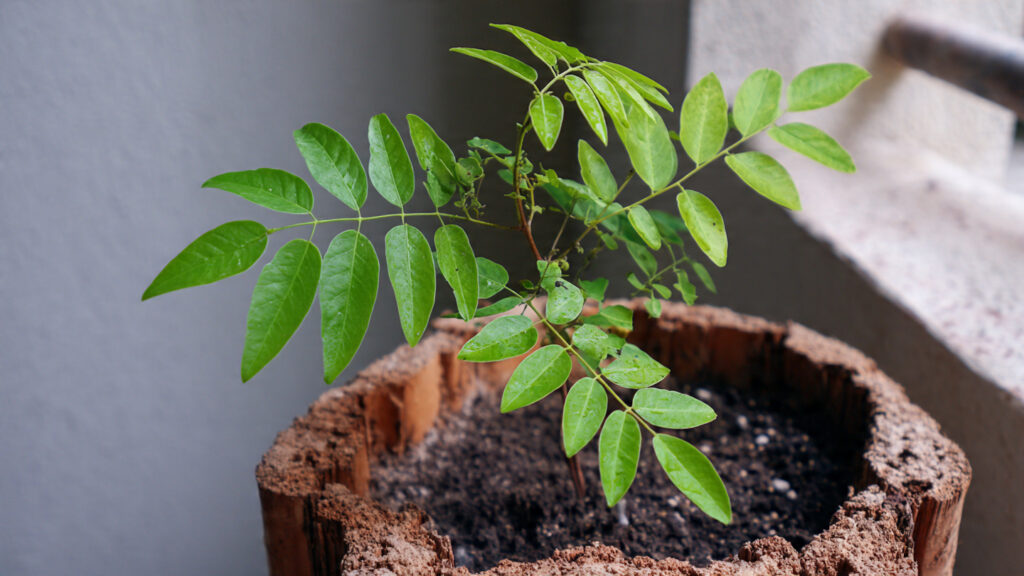
Mint, with its refreshing aroma and vibrant green leaves, is one of the most popular herbs grown in home gardens worldwide. From culinary delights like teas, salads, and sauces to medicinal uses for digestion and relaxation, mint is both versatile and easy to cultivate. However, one common challenge that many gardeners face is root rot, a fungal disease that can quickly destroy mint plants if not addressed.
With the right growing techniques, you can enjoy healthy, thriving mint plants while effectively preventing root rot. This guide explores proven methods to cultivate mint successfully, whether in pots, containers, or garden beds.
Understanding Root Rot in Mint
Root rot is a condition where the roots of a plant decay due to excess moisture or poor drainage. For mint, this can lead to:
- Wilting leaves
- Yellowing or browning foliage
- Stunted growth
- Foul-smelling roots
Mint is a hardy herb but is particularly susceptible to root rot if grown in overly wet soil or poorly drained containers. Recognizing the signs early and implementing preventive techniques is key to maintaining a healthy herb garden.
Choosing the Right Growing Environment
Preventing root rot starts with selecting the right environment. Mint thrives best under these conditions:
- Sunlight: Mint grows well in partial to full sunlight. Ideally, it should receive 4–6 hours of sunlight daily. Too little light weakens the plant, making it more susceptible to diseases.
- Temperature: Mint prefers moderate temperatures between 55–70°F (13–21°C). Extreme heat or cold can stress the plant and compromise root health.
- Air Circulation: Proper airflow reduces excess moisture around the soil and leaves, minimizing the risk of fungal growth.
For indoor gardeners, placing mint near a sunny window with good air circulation is ideal. Outdoors, avoid crowded garden beds where stagnant air can encourage rot.
Selecting Healthy Mint Varieties
Choosing the right mint variety can also influence disease resistance:
- Spearmint (Mentha spicata): Hardy and fast-growing; ideal for both containers and garden beds.
- Peppermint (Mentha × piperita): Known for its strong flavor; slightly more sensitive to overwatering.
- Apple Mint (Mentha suaveolens): Decorative and fragrant; tolerant to moderate moisture.
- Chocolate Mint: Adds a unique aroma and flavor; prefers well-drained soil.
Starting with healthy, disease-free plants or cuttings ensures strong roots that are less prone to rot.
Choosing the Right Container and Soil
For container-grown mint, preventing root rot begins with proper soil and pots:
Containers
- Use pots with drainage holes to prevent waterlogging.
- Avoid shallow containers; mint spreads quickly and requires enough space for roots to grow.
- Plastic, ceramic, or terracotta pots work well, but terracotta provides extra breathability for the soil.
Soil
- Mint thrives in well-draining soil rich in organic matter.
- A mix of garden soil, compost, and coarse sand or perlite ensures moisture retention without waterlogging.
- Avoid heavy clay soils in containers, as they retain water and increase the risk of root rot.
Watering Techniques to Prevent Root Rot
Overwatering is the leading cause of root rot in mint. Proper watering techniques are essential:
- Check Soil Moisture: Stick your finger about an inch into the soil. Water only if it feels dry.
- Water at the Base: Avoid wetting the leaves; water directly at the soil level to reduce fungal growth.
- Deep, Infrequent Watering: Water enough to moisten the root zone but allow the soil to dry slightly between watering sessions.
- Drain Excess Water: Never let water collect at the bottom of the container. Empty saucers or trays if water accumulates.
By following these techniques, you provide mint with enough hydration without creating conditions favorable to root rot.
Propagation Techniques for Healthy Mint Growth
Propagating mint from cuttings or divisions is an excellent way to ensure strong, disease-free plants:
- Stem Cuttings: Place a 3–4 inch cutting in water or moist soil. Roots develop in 1–2 weeks. Plant in well-draining soil after roots are established.
- Division of Roots: Mature mint plants can be divided every 1–2 years. Remove the plant from the soil, separate the root clumps, and replant in fresh soil.
- Avoid Planting in Contaminated Soil: Always use clean pots and fresh soil when propagating to prevent fungal infections.
Fertilizing Mint for Strong Roots
Healthy roots are less prone to rot, so proper nutrition is crucial:
- Organic Fertilizers: Compost, worm castings, or liquid seaweed extracts support root development.
- Balanced Nutrients: Use a balanced fertilizer (NPK 10:10:10) monthly during the growing season.
- Avoid Over-Fertilization: Excess nitrogen encourages lush top growth but can weaken roots, making them more susceptible to rot.
Pruning and Maintenance
Regular pruning not only encourages bushy growth but also improves airflow around the roots:
- Trim the Tops: Regularly cut mint stems to promote branching and prevent overcrowding.
- Remove Dead Leaves: Dispose of any yellowed or decaying leaves immediately to prevent fungal spread.
- Rotate Containers: If growing multiple pots, rotate them occasionally to ensure even sunlight exposure and reduce damp spots.
Natural and Preventive Measures Against Root Rot
Beyond proper watering and soil care, several preventive measures can reduce root rot risk:
➡️ How to Grow Malabar Spinach from Cuttings for Fast, Easy Greens
➡️ How to Grow Super Delicious Cabbage at Home Without a Garden
➡️ How to Grow Bean Sprouts at Home in Plastic Bottles Easily (Step‑by‑Step Guide)
➡️ Why is Your Lemon Tree Blooming in the Heart of Winter?
➡️ Why Should Your Garden Have a Dedicated Pollinator Highway?
➡️ Why Do Your Fruit Trees Need a Winter Wash to Thrive in Spring?
➡️ How Can Rice Water Transform Your Fruits into Sweeter Delights?
➡️ Jumpstart Your Winter Garden: Seed Starting Under Lights
- Cinnamon Powder: Dust cuttings or rhizomes with cinnamon powder before planting; it acts as a natural antifungal agent.
- Neem Oil: Spray lightly on soil surface to prevent fungal growth.
- Mulching Carefully: Use thin mulch to retain soil moisture but avoid covering the crown of the plant.
- Companion Planting: Grow mint alongside basil or rosemary; aromatic companion plants may deter fungal pathogens.
Signs of Root Rot and How to Rescue Plants
Even with precautions, root rot can occasionally occur. Early detection can save your mint:
- Symptoms: Wilting leaves, black or mushy roots, foul smell from soil.
- Rescue Steps:
- Remove the plant from the container.
- Trim away all affected roots using sterilized scissors.
- Replant the healthy portion in fresh, well-draining soil.
- Adjust watering habits to prevent recurrence.
In severe cases, starting over with new cuttings may be the best solution.
Using Containers vs. Garden Beds
While garden beds allow mint to spread naturally, containers provide better control against root rot. For beginners, container growing is highly recommended because:
- Soil moisture is easier to regulate.
- Plants are less exposed to ground pathogens.
- You can move containers to sunnier or drier locations as needed.
By managing the environment effectively, you give mint the best chance to thrive without disease.
Harvesting Mint
Regular harvesting also promotes healthy growth:
- Pinch or Snip: Use scissors or fingers to trim leaves just above a node.
- Harvest in the Morning: Essential oils are most potent in the morning, giving you flavorful and aromatic leaves.
- Do Not Overharvest: Leave enough leaves for photosynthesis to continue, ensuring the plant remains strong.
Healthy harvests maintain robust roots and overall plant vitality, reducing disease risk.
Conclusion
Growing mint successfully requires attention to soil, water, sunlight, and proper maintenance. By following these effective techniques—choosing well-draining containers, monitoring watering, propagating properly, and maintaining plant health—you can prevent root rot and enjoy a lush, aromatic mint garden. Whether you grow mint in containers on your balcony, in raised beds, or in your kitchen garden, these strategies ensure that your plants remain healthy, vibrant, and productive year-round.
Mint isn’t just a simple herb; it’s a living, aromatic treasure that enhances your cooking, wellness, and garden aesthetics. With a little care and preventive action, root rot won’t stand in your way, and your mint plants will flourish beautifully.