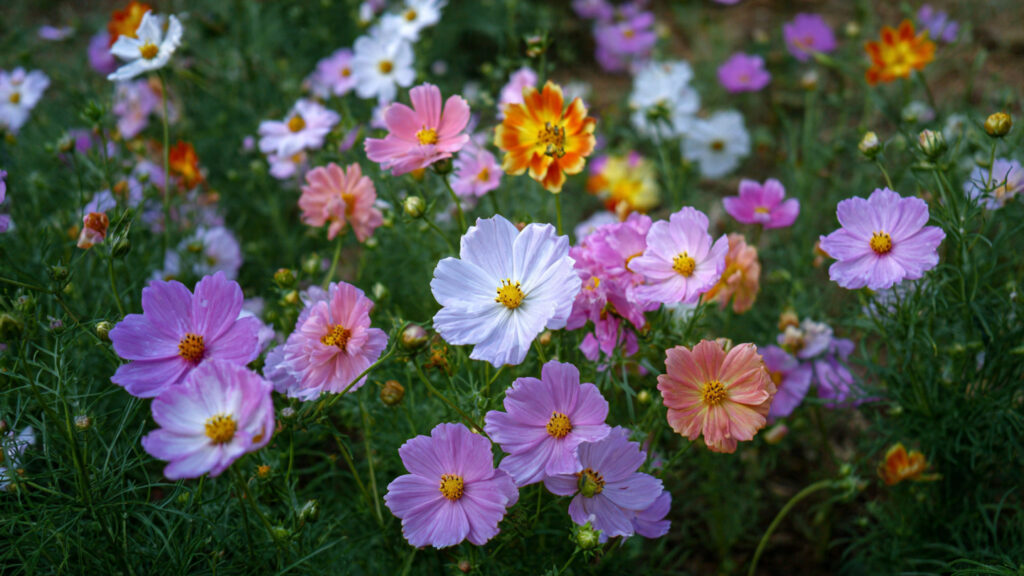
Cosmos plants are among the most charming and vibrant additions to any garden. Known for their daisy-like flowers, bright colors, and ability to attract butterflies and bees, cosmos are a favorite of both beginner and experienced gardeners. One of the common challenges gardeners face, however, is thinning seedlings—the process of removing excess plants to prevent overcrowding. While thinning ensures healthy growth, it can be tedious and sometimes discouraging, especially for new gardeners.
The good news is that with the right techniques, you can achieve rapid, healthy growth of cosmos plants without the need for thinning. This guide will cover how to sow, grow, and maintain cosmos efficiently, resulting in lush, vibrant blooms with minimal effort.
Why Cosmos Are Perfect for Easy Gardening
Cosmos are naturally resilient plants that thrive in a variety of climates and soil conditions. Here’s why they are ideal for low-maintenance gardens:
- Fast-Growing – Cosmos seeds germinate quickly, and seedlings grow rapidly into mature flowering plants.
- Minimal Soil Requirements – They thrive in well-drained soil and tolerate poor soil conditions better than many other flowering plants.
- Drought-Tolerant – Once established, cosmos require minimal watering, making them perfect for sustainable gardening.
- Long Blooming Period – Cosmos can bloom continuously from early summer to late autumn, providing months of color and pollinator attraction.
- Pest-Resistant – They are generally resistant to common garden pests, reducing the need for chemical treatments.
By understanding their growth habits, you can maximize the potential of cosmos plants without resorting to thinning.
Choosing the Right Cosmos Variety
Different varieties of cosmos have slightly different growth habits. Selecting the right type can help ensure you achieve dense, healthy growth naturally:
- Cosmos bipinnatus – Classic garden variety with delicate, feathery foliage and flowers in pink, white, and purple.
- Cosmos sulphureus – Known for vibrant orange and yellow flowers, grows slightly more compact and is ideal for mass planting.
- Dwarf Cosmos – Shorter varieties perfect for pots, balcony gardens, or areas where space is limited.
For rapid growth without thinning, dwarf and compact varieties are preferable because they naturally limit overcrowding while filling the space with blooms.
Preparing the Soil for Optimal Growth
Healthy cosmos plants start with well-prepared soil. Follow these steps to ensure your plants thrive:
- Choose Well-Drained Soil – Cosmos do not like soggy roots. A sandy loam or light garden soil is ideal.
- Add Organic Matter – Mix in compost or well-rotted manure to improve fertility and structure without creating overly rich soil, which can lead to excessive foliage and fewer flowers.
- pH Balance – Cosmos prefer a slightly acidic to neutral pH (6.0–7.0). You can test your soil and adjust with lime or sulfur if needed.
- Loosen Soil – Loosen the soil to a depth of at least 6–8 inches to allow roots to grow freely and prevent crowding.
Sowing Seeds for Rapid Growth Without Thinning
One of the key strategies to avoid thinning is proper sowing techniques. By spacing seeds correctly and using growth-promoting methods, you can ensure healthy, dense plants naturally.
- Direct Sowing in Rows – Plant seeds 12–18 inches apart in rows, ensuring each plant has space to grow without competition.
- Sowing in Pots or Trays – For container gardening, sow one seed per small pot or cell. This prevents overcrowding from the start and eliminates the need for later thinning.
- Seed Soaking – Soak seeds in water for 12–24 hours before sowing. This softens the seed coat and speeds up germination.
- Use of Growth Mediums – Mix seeds with fine sand for even distribution when sowing directly in the garden. This ensures plants are spaced naturally.
By focusing on proper sowing and spacing, you set the stage for rapid growth without overcrowding.
Natural Techniques to Promote Rapid Growth
Once your seeds are sown, several techniques can accelerate growth while keeping plants healthy and dense:
1. Adequate Sunlight
Cosmos thrive in full sun. Ensure they receive at least 6–8 hours of direct sunlight daily. Sunlight is critical for photosynthesis, flower production, and strong stem development.
2. Proper Watering
- Early Growth Stage – Keep the soil consistently moist until seedlings establish.
- After Establishment – Reduce watering to prevent root rot. Cosmos prefer slightly dry conditions once mature, which encourages stronger roots.
3. Fertilization
- Use a balanced organic fertilizer or compost tea every 3–4 weeks.
- Avoid excessive nitrogen, which promotes leafy growth at the expense of flowers.
4. Mulching
- Apply a thin layer of organic mulch around seedlings.
- Mulching retains soil moisture, suppresses weeds, and regulates soil temperature.
5. Support for Taller Varieties
- Stake tall cosmos varieties to prevent bending or breaking, particularly in windy areas.
- Compact and dwarf varieties often don’t require support.
Companion Planting for Better Growth
Planting cosmos alongside compatible flowers and vegetables can naturally reduce overcrowding and improve growth without thinning:
- Marigolds – Help repel pests and attract pollinators.
- Zinnias – Complement cosmos in height and flowering patterns.
- Basil and Herbs – Encourage healthy soil and deter pests.
By carefully planning companion plants, you can maintain healthy spacing while promoting rapid growth and pollination.
Pruning and Deadheading for Dense Growth
Although thinning is unnecessary, selective pruning and deadheading can enhance flowering and plant density:
- Deadheading – Remove spent flowers regularly. This redirects energy from seed production to new blooms.
- Pinching Tips – For bushier growth, pinch the tips of young shoots. This encourages lateral branching and produces a fuller appearance.
These small interventions replace the need for traditional thinning and create a visually appealing, compact garden.
➡️ How to Grow Malabar Spinach from Cuttings for Fast, Easy Greens
➡️ How to Grow Super Delicious Cabbage at Home Without a Garden
➡️ How to Grow Bean Sprouts at Home in Plastic Bottles Easily (Step‑by‑Step Guide)
➡️ Why is Your Lemon Tree Blooming in the Heart of Winter?
➡️ Why Should Your Garden Have a Dedicated Pollinator Highway?
➡️ Why Do Your Fruit Trees Need a Winter Wash to Thrive in Spring?
➡️ How Can Rice Water Transform Your Fruits into Sweeter Delights?
➡️ Jumpstart Your Winter Garden: Seed Starting Under Lights
Common Mistakes to Avoid
To achieve rapid growth without thinning, avoid these mistakes:
- Overcrowding Seeds – Even though thinning is avoided, proper initial spacing is still critical.
- Over-Fertilizing – Too much nitrogen can cause leggy, weak plants with fewer flowers.
- Underwatering – Cosmos require moisture during germination and early growth.
- Ignoring Sunlight Needs – Lack of sunlight leads to slow growth, pale flowers, and weak stems.
- Neglecting Pest Monitoring – Watch for aphids, spider mites, and fungal issues. Treat with organic solutions promptly.
Benefits of Rapid Cosmos Growth Without Thinning
- Time-Saving – Eliminates the labor-intensive task of removing excess seedlings.
- Consistent Flowering – Proper sowing and pruning ensure a uniform, colorful garden.
- Ideal for Beginners – Simplifies gardening for new enthusiasts.
- Healthy Plants – Proper spacing, sunlight, and nutrients reduce stress and disease.
- Beautiful, Dense Garden Beds – Achieve an impressive, full garden without manual thinning.
Conclusion
Growing cosmos plants rapidly without thinning is entirely possible when you focus on proper sowing, soil preparation, sunlight, watering, and pruning techniques. By selecting the right varieties and using compact or dwarf plants, you can enjoy a lush garden filled with vibrant blooms without the hassle of thinning seedlings.
Cosmos are forgiving, fast-growing, and low-maintenance, making them ideal for gardeners seeking beauty, simplicity, and efficiency. By following the methods outlined in this guide, you can achieve strong, healthy, and abundant cosmos plants that brighten your garden and attract pollinators throughout the season.
Start today by selecting your seeds, preparing the soil, and giving your cosmos the ideal environment to flourish. With these easy techniques, you’ll enjoy a breathtaking display of flowers in less time, effort, and stress.