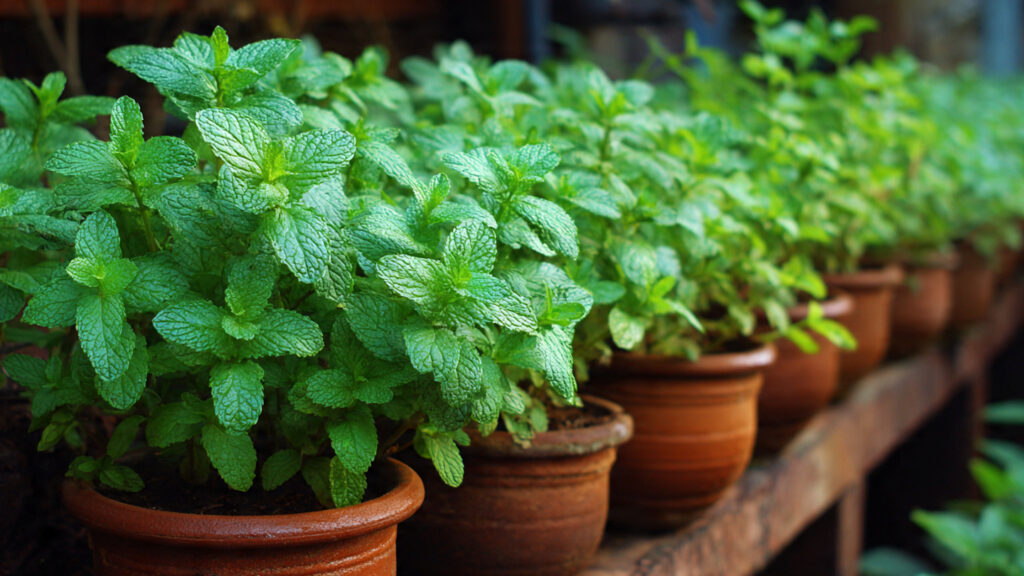
Herbs have long been a favorite for gardeners and culinary enthusiasts alike. Among them, apple mint stands out—not just for its vibrant aroma and refreshing taste, but also for its ease of cultivation, especially in pots. Whether you are a beginner or a seasoned gardener, growing apple mint in containers can provide you with a steady supply of fresh leaves for teas, salads, desserts, and cocktails. This comprehensive guide will walk you through everything you need to know to grow apple mint successfully in pots, from choosing the right container to harvesting techniques.
Why Choose Apple Mint for Your Herb Garden?
Apple mint (Mentha suaveolens) is a versatile herb with a sweet, fruity fragrance that distinguishes it from other mint varieties. Its soft, fuzzy leaves and vigorous growth make it a visual delight as well as a practical addition to any herb garden. Some key reasons to grow apple mint in pots include:
- Compact Growth: Unlike traditional garden beds, pots help contain its spreading habit. Apple mint can be invasive in open soil but stays manageable in containers.
- Accessibility: Growing in pots allows you to place the plant on your balcony, patio, or kitchen windowsill, making it easy to access for culinary use.
- Aesthetic Appeal: Its lush green leaves add a decorative touch to your living space.
- Year-Round Harvest: With proper care, apple mint can provide fresh leaves throughout the year.
Selecting the Right Pot
One of the most critical steps in growing apple mint in pots is choosing the right container. Here’s what to consider:
- Size: Apple mint spreads quickly, so choose a pot that is at least 12–14 inches in diameter and depth. Larger pots allow more room for roots to develop and reduce the risk of waterlogging.
- Material: Terracotta pots are excellent because they allow airflow to the roots and prevent overwatering. Plastic pots retain moisture longer but are lighter and easier to move.
- Drainage: Ensure the pot has adequate drainage holes. Mint roots are prone to rot if water collects at the bottom. A layer of small stones or broken pottery at the base can improve drainage further.
Choosing the Right Soil
Apple mint thrives in well-draining soil enriched with organic matter. Here are tips for preparing the ideal potting mix:
- Base Mix: Use a combination of garden soil, compost, and perlite or sand to improve drainage.
- pH Preference: Apple mint prefers slightly acidic to neutral soil (pH 6.0–7.0). You can test soil pH and adjust using lime or peat moss if necessary.
- Fertility: Incorporate organic fertilizers or compost to provide nutrients for healthy growth. Avoid overly rich soils, which can cause the plant to become leggy.
Planting Apple Mint in Pots
Once you have your pot and soil ready, it’s time to plant:
- Obtain Healthy Planting Material: You can start apple mint from seeds, cuttings, or small nursery plants. Cuttings are often preferred for faster growth.
- Prepare the Soil: Fill the pot with the prepared potting mix, leaving 1–2 inches from the rim.
- Planting Cuttings or Seedlings: Make a hole deep enough to accommodate the roots. Place the plant and gently cover the roots with soil, pressing lightly.
- Watering: Water thoroughly after planting, allowing the soil to settle around the roots. Keep the soil moist but not soggy.
Sunlight Requirements
Apple mint thrives in partial to full sunlight. While it tolerates light shade, it grows most vigorously with 4–6 hours of direct sunlight daily. For indoor pots, place your plant near a bright window that receives morning sunlight. If natural light is insufficient, supplement with grow lights to ensure healthy, aromatic leaves.
Watering and Humidity
Proper watering is essential for apple mint:
- Regular Moisture: Keep the soil consistently moist. Unlike some drought-tolerant herbs, apple mint does not like dry soil.
- Avoid Overwatering: Ensure water drains freely from the pot to prevent root rot.
- Humidity: Apple mint enjoys moderate humidity. Indoor plants may benefit from occasional misting, especially during dry seasons.
Fertilizing Apple Mint in Pots
Even in nutrient-rich soil, apple mint benefits from regular feeding:
- Organic Fertilizers: Use compost tea, liquid seaweed, or diluted organic fertilizers every 4–6 weeks during the growing season.
- Balanced NPK: Choose fertilizers with balanced nitrogen, phosphorus, and potassium ratios to promote leafy growth.
- Avoid Over-Fertilization: Too much fertilizer can result in lush but weak growth, reducing flavor intensity.
Pruning and Maintenance
Maintaining your apple mint is crucial for healthy growth:
- Regular Pruning: Trim the tips regularly to encourage bushier growth and prevent legginess.
- Pinching: Pinch off flowers as they appear to redirect energy toward leaf production. Flowering can make leaves bitter.
- Dividing Pots: Every year or two, divide the plant to prevent overcrowding and maintain vigor.
Pest and Disease Management
Apple mint is generally hardy but may face occasional pests or diseases:
- Aphids: Small insects that cluster on new growth. Spray with soapy water or neem oil.
- Spider Mites: Occur in dry, dusty conditions. Regular misting and cleaning leaves help prevent infestations.
- Powdery Mildew: A fungal disease that appears as a white coating on leaves. Improve airflow around pots and avoid water on foliage.
Using organic solutions and good sanitation practices ensures your apple mint remains healthy and productive.
Harvesting Apple Mint
Harvesting is both an art and a science to ensure continuous growth:
- Timing: Begin harvesting once the plant has at least 6–8 leaves per stem. The best flavor is found in young, tender leaves.
- Method: Use clean scissors or fingers to snip stems just above a leaf node. Avoid cutting more than one-third of the plant at a time.
- Frequency: Regular harvesting encourages new growth and keeps the plant compact.
Freshly harvested apple mint leaves can be used immediately or stored in the fridge for a few days. They are perfect for herbal teas, cocktails, garnishes, and even homemade sauces.
Companion Planting in Pots
Apple mint also pairs well with other container herbs, provided it doesn’t overpower them:
- Good Companions: Basil, thyme, and oregano enjoy similar conditions and can thrive in separate sections of the same large container.
- Caution: Mint spreads quickly; consider planting apple mint in a separate inner pot to contain its aggressive growth.
Troubleshooting Common Issues
Even hardy potted apple mint may occasionally face problems:
➡️ How to Grow Malabar Spinach from Cuttings for Fast, Easy Greens
➡️ How to Grow Super Delicious Cabbage at Home Without a Garden
➡️ How to Grow Bean Sprouts at Home in Plastic Bottles Easily (Step‑by‑Step Guide)
➡️ Why is Your Lemon Tree Blooming in the Heart of Winter?
➡️ Why Should Your Garden Have a Dedicated Pollinator Highway?
➡️ Why Do Your Fruit Trees Need a Winter Wash to Thrive in Spring?
➡️ How Can Rice Water Transform Your Fruits into Sweeter Delights?
➡️ Jumpstart Your Winter Garden: Seed Starting Under Lights
- Leggy Growth: Caused by insufficient light; move the pot to a sunnier spot.
- Yellow Leaves: May indicate overwatering or nutrient deficiency. Adjust watering and add organic fertilizer.
- Slow Growth: Often due to root crowding; repot or divide the plant.
Regular observation and quick action prevent minor issues from turning into major problems.
Benefits of Growing Apple Mint in Pots
Growing apple mint in pots isn’t just about convenience—it also brings many benefits:
- Culinary Uses: Fresh leaves for teas, salads, desserts, and beverages.
- Aromatic Pleasure: Its sweet fragrance enhances indoor and outdoor spaces.
- Decorative Value: Adds greenery and texture to patios, kitchens, and balconies.
- Health Benefits: Known for digestive and calming properties.
With the right care, potted apple mint is a rewarding addition to any herb garden.
Conclusion: A Rewarding Herb for Every Enthusiast
Apple mint is a must-have herb for gardeners of all levels. Its vibrant aroma, refreshing flavor, and relatively easy care make it perfect for pots, especially for urban gardeners with limited space. By selecting the right container, providing proper sunlight, watering correctly, and practicing regular pruning, you can enjoy a thriving apple mint plant year-round.
Whether for culinary adventures, aromatic enjoyment, or simply the pleasure of nurturing a living plant, apple mint in pots offers endless rewards. With this complete guide, even beginners can confidently grow, maintain, and harvest their own lush apple mint—transforming a simple pot into a fragrant, flavorful green treasure.