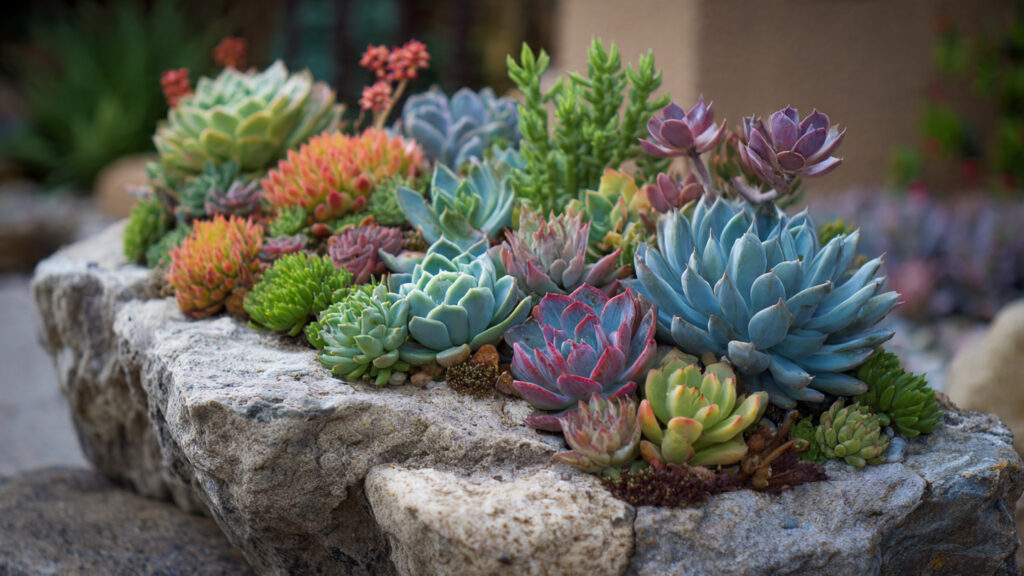
Succulents have become one of the most beloved plants for home gardeners. Their charm lies not only in their unique shapes and colors but also in their remarkable resilience. Unlike traditional houseplants, succulents thrive in dry conditions, require minimal care, and can transform any indoor or outdoor space into a visually stunning landscape. For those seeking to create diverse mixed succulent landscapes at home, the possibilities are endless—but achieving a balanced, thriving arrangement requires understanding, planning, and a touch of creativity. This guide will explore effective techniques to cultivate vibrant, mixed succulent landscapes that are both beautiful and low-maintenance.
Understanding Succulent Basics
Before diving into landscaping techniques, it’s essential to understand the fundamental characteristics of succulents. Succulents are plants that store water in their thick, fleshy leaves, stems, or roots. This adaptation allows them to survive in arid climates, making them ideal for drought-tolerant home gardening.
Some popular succulent varieties include:
- Echeveria – Known for rosette-shaped leaves and vibrant colors.
- Sedum – Hardy, trailing plants perfect for ground cover.
- Aloe Vera – Not only decorative but also medicinal.
- Haworthia – Compact, striped varieties that thrive indoors.
- Crassula – Includes the famous “Jade Plant,” symbolic of luck and prosperity.
Understanding your succulents’ growth habits, light requirements, and watering needs is crucial before combining them into a mixed landscape. Each species may have slightly different care requirements, but with proper planning, they can coexist harmoniously.
Selecting the Right Containers and Soil
For mixed succulent landscapes at home, container choice and soil preparation are vital. Succulents need excellent drainage to prevent root rot, so opt for containers with drainage holes. Popular options include:
- Terracotta pots – Porous and breathable, ideal for indoor succulents.
- Wooden planters – Natural aesthetic for outdoor succulent arrangements.
- Concrete or ceramic containers – Durable and stylish, suitable for terraces or patios.
When it comes to soil, a standard potting mix is insufficient. Instead, use a well-draining succulent mix, which often combines potting soil, coarse sand, and perlite. This ensures water flows freely and prevents roots from staying waterlogged.
Tip: For outdoor succulent gardens, raised beds or rock gardens can mimic the natural arid environment many succulents prefer, ensuring longevity and health.
Designing a Diverse Mixed Landscape
One of the most exciting aspects of succulent gardening is the ability to create visually dynamic landscapes. To achieve diversity:
- Play with Color
Succulents offer a wide spectrum—from deep purples to pastel pinks, silvers, and vibrant greens. Use contrasting colors to create focal points or complementary tones for a soothing effect. For instance, a bright red echeveria against pale green sedum creates an eye-catching display. - Vary Heights and Shapes
Combine tall succulents like Aloe or Agave with low-growing ground covers such as Sedum or Crassula. Mixing upright rosettes with trailing varieties adds depth and visual interest. - Incorporate Texture
Texture plays a subtle but powerful role. Smooth, glossy leaves can contrast with spiky or crinkled varieties, providing a rich, tactile experience that engages the senses. - Create Patterns and Layers
Plan your arrangement in layers, with taller plants at the back and shorter ones at the front if placed against a wall. Alternatively, for round containers, create a spiral or circular pattern with varying colors and heights for a balanced, professional look.
Watering Techniques for Mixed Succulent Landscapes
Watering is one of the most misunderstood aspects of succulent care. Overwatering can quickly ruin a mixed arrangement. Here are effective techniques:
- Soak and Dry Method
Water the soil thoroughly, then allow it to dry completely before the next watering. This mimics natural rainfall patterns in arid regions. - Check Soil Moisture
Insert your finger about an inch into the soil; if it feels dry, it’s time to water. For mixed arrangements, ensure each plant receives enough moisture without oversaturating others. - Use a Watering Can with a Narrow Spout
Direct the water at the base of each plant to avoid wetting leaves, which can lead to rot or fungal infections.
Tip: Indoor succulents typically need less frequent watering, while outdoor arrangements in hot, sunny climates may require slightly more. Adjust based on the environment and season.
Fertilizing Mixed Succulent Gardens
Succulents don’t need heavy feeding, but light fertilization encourages healthy growth, vibrant colors, and stronger roots. Use a balanced, diluted succulent fertilizer during the growing season (spring and summer). Avoid high-nitrogen fertilizers, as they can make plants weak and leggy.
- Liquid Fertilizer – Easy to apply and quickly absorbed. Apply every 4-6 weeks.
- Slow-Release Fertilizer – Provides steady nutrients for larger outdoor succulent landscapes. Apply at the start of the growing season.
Remember, moderation is key. Too much fertilizer can damage succulent leaves and alter their natural colors.
Propagation Techniques for Expanding Your Landscape
One of the joys of succulent gardening is how easily they can be propagated. Propagation allows you to expand your mixed landscape without purchasing new plants:
- Leaf Cuttings
Many succulents, like Echeveria, grow new plants from fallen leaves. Let the leaf callus over for a few days, then place it on well-draining soil. - Offsets or “Pups”
Succulents like Aloe and Haworthia produce offsets, which can be separated and replanted to fill gaps in your landscape. - Stem Cuttings
Crassulas and Sedums can be propagated through stem cuttings. Allow the cut ends to dry, then plant in soil for new growth.
Propagation not only saves money but also allows you to experiment with design, filling empty spaces with new colors and textures.
Maintaining a Thriving Succulent Landscape
To keep your mixed succulent garden flourishing:
➡️ How to Grow Malabar Spinach from Cuttings for Fast, Easy Greens
➡️ How to Grow Super Delicious Cabbage at Home Without a Garden
➡️ How to Grow Bean Sprouts at Home in Plastic Bottles Easily (Step‑by‑Step Guide)
➡️ Why is Your Lemon Tree Blooming in the Heart of Winter?
➡️ Why Should Your Garden Have a Dedicated Pollinator Highway?
➡️ Why Do Your Fruit Trees Need a Winter Wash to Thrive in Spring?
➡️ How Can Rice Water Transform Your Fruits into Sweeter Delights?
➡️ Jumpstart Your Winter Garden: Seed Starting Under Lights
- Rotate Your Plants
Succulents may grow unevenly if exposed to light from only one direction. Rotate pots or adjust garden layouts every few weeks to maintain even growth. - Prune Dead or Overgrown Leaves
Remove dried leaves at the base to prevent pests and maintain aesthetics. Trim leggy plants to encourage compact, healthy growth. - Protect from Extreme Weather
Outdoor succulents may need temporary shading during extreme heat or frost. Cover delicate varieties with cloth or move potted plants indoors when necessary. - Monitor for Pests
Succulents are relatively pest-resistant but can be affected by mealybugs or aphids. Treat infestations with mild soap solutions or neem oil, avoiding harsh chemicals that damage plant tissue.
Creative Ideas for Mixed Succulent Landscapes
Creating a mixed succulent landscape is not just about planting; it’s an art form. Here are some creative ideas:
- Succulent Terrariums – Miniature glass terrariums allow indoor gardeners to experiment with design on a small scale.
- Vertical Gardens – Use wall-mounted frames or wooden pallets for a vertical succulent display.
- Rock Gardens – Combine succulents with stones, pebbles, and sand to mimic natural desert landscapes.
- Themed Arrangements – Choose a color palette, such as shades of purple and blue, for a cohesive look, or combine exotic shapes for a whimsical garden.
These creative approaches make succulent gardening both rewarding and visually striking.
Final Thoughts
Growing diverse mixed succulent landscapes at home is a fulfilling hobby that combines artistry with horticulture. By understanding plant needs, selecting the right soil and containers, arranging colors, shapes, and textures thoughtfully, and maintaining proper care, anyone can transform their living space into a stunning succulent haven. Succulents are forgiving, adaptable, and endlessly creative plants—making them perfect for gardeners of all skill levels. Whether for indoor décor, outdoor patios, or innovative vertical gardens, the techniques outlined here will ensure a thriving, vibrant landscape that delights the senses and elevates your home environment.
Creating a succulent landscape is more than planting—it’s about designing a living work of art that evolves over time. With patience, experimentation, and these effective techniques, your home can become a sanctuary of color, texture, and life, showcasing the extraordinary beauty and resilience of succulents.