Pollinators are the unsung heroes of every thriving garden. Bees, butterflies, hummingbirds, and other pollinators play a crucial role in fertilizing flowers, ensuring fruit and seed production, and maintaining biodiversity. Yet, with declining pollinator populations worldwide, gardeners are increasingly seeking ways to support these essential creatures. One of the most effective and visually stunning ways to do this is by cultivating cosmos flowers—vibrant, low-maintenance blooms that not only brighten your garden but also attract and sustain local pollinators.
In this guide, we will explore everything you need to know about growing cosmos flowers, from planting and care to pollinator-friendly strategies, ensuring your garden becomes a buzzing haven of life.
Why Cosmos Flowers Are Perfect for Pollinator Gardens
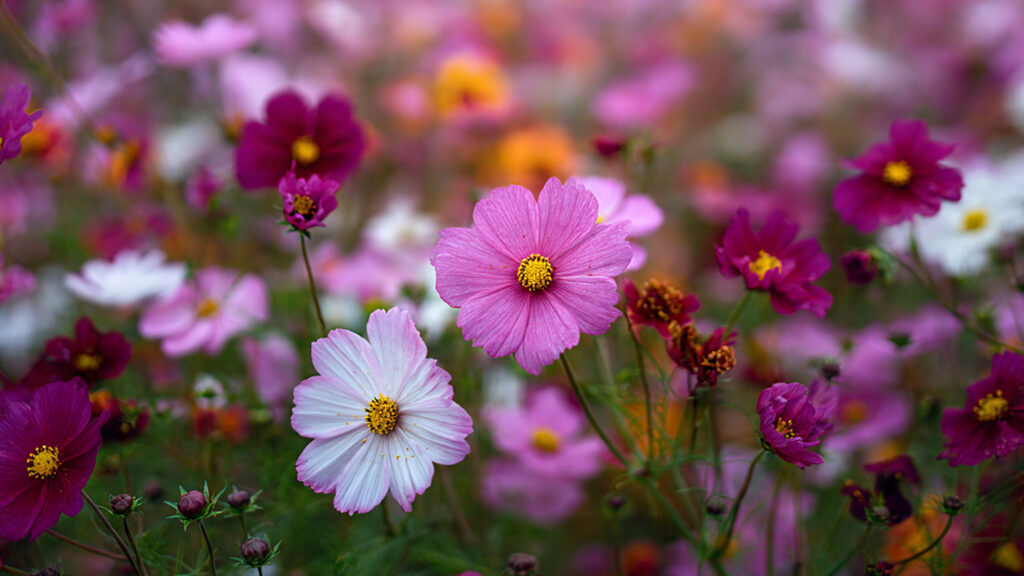
Cosmos flowers, belonging to the Cosmos genus, are native to Mexico but have been embraced worldwide for their beauty, hardiness, and ease of growth. Their daisy-like blossoms come in a range of colors—white, pink, crimson, and orange—that attract a variety of pollinators.
Here’s why cosmos flowers are a top choice for pollinator-friendly gardens:
- High Nectar Production: Cosmos flowers produce abundant nectar, making them irresistible to bees, butterflies, and hummingbirds.
- Extended Blooming Period: With proper care, they bloom from early summer to the first frost, providing a long-lasting food source for pollinators.
- Low Maintenance: These hardy flowers thrive in poor soil, require minimal watering, and resist many pests, making them ideal for gardeners of all experience levels.
- Aesthetic Versatility: Cosmos flowers can be used in borders, containers, raised beds, or wildflower meadows, adding beauty while serving an ecological purpose.
Selecting the Right Cosmos Varieties
There are several species and varieties of cosmos, each with unique characteristics. Choosing the right type can optimize your garden’s appeal to pollinators:
- Cosmos bipinnatus: Known as the common garden cosmos, these flowers have delicate, feathery foliage and tall stems. They attract butterflies and bees and are perfect for naturalistic or cottage-style gardens.
- Cosmos sulphureus: With bright orange or yellow blooms, these are especially attractive to butterflies and are more heat-tolerant than C. bipinnatus.
- Cosmos atrosanguineus: Also called the chocolate cosmos, these deep maroon flowers emit a subtle chocolate scent, attracting bees and adding exotic flair.
For maximum pollinator impact, consider planting a mix of these varieties to provide diversity in color, shape, and bloom timing.
How to Plant Cosmos Flowers
Cosmos are easy to grow from seeds, making them perfect for both beginners and experienced gardeners. Follow these steps for successful planting:
- Choose the Right Location: Cosmos prefer full sun, which ensures abundant blooms and optimal nectar production. They tolerate partial shade but may produce fewer flowers.
- Prepare the Soil: While cosmos are adaptable to poor soil, well-draining soil enriched with compost will promote stronger growth. Avoid over-fertilizing, as excessive nitrogen encourages foliage growth at the expense of flowers.
- Sow Seeds: Direct sow cosmos seeds outdoors after the last frost. Plant seeds about 1/4 inch deep and space them 12–18 inches apart to allow for airflow and growth.
- Watering: Water lightly until seedlings emerge, then allow the soil to dry slightly between watering. Overwatering can cause root rot.
For gardeners in cooler climates, start seeds indoors 4–6 weeks before the last frost and transplant seedlings outdoors when temperatures stabilize.
Caring for Your Cosmos Garden
Cosmos require minimal maintenance, but a few simple practices will maximize bloom and pollinator support:
- Deadheading: Regularly remove spent flowers to encourage continuous blooming.
- Staking: Tall varieties may need staking to prevent bending or breaking in wind.
- Pest Management: Cosmos are relatively pest-resistant, but aphids or leafhoppers can occasionally appear. Natural remedies like neem oil or insecticidal soap are safe and effective.
- Mulching: A thin layer of mulch helps retain soil moisture and suppress weeds without hindering pollinator access.
Creating a Pollinator-Friendly Environment
To truly support pollinators, consider the following enhancements alongside your cosmos garden:
- Plant in Clusters: Bees and butterflies are more attracted to large clusters of flowers than isolated blooms. Group cosmos in blocks for maximum impact.
- Include Varied Blooming Plants: While cosmos are excellent, pairing them with other pollinator-friendly flowers—like coneflowers, marigolds, and zinnias—extends nectar availability and diversity.
- Provide Shelter: Pollinators need shelter and resting spots. Adding small shrubs, grasses, or bee hotels near your cosmos garden creates a welcoming environment.
- Avoid Pesticides: Chemical sprays can harm pollinators. Opt for natural pest control methods to keep your garden safe and sustainable.
Companion Planting with Cosmos
Cosmos flowers are excellent companions for vegetables and herbs. Their bright colors attract beneficial insects that help control pests, making them ideal for integrated garden ecosystems.
- Tomatoes and Peppers: Cosmos attract hoverflies, whose larvae consume aphids.
- Carrots and Lettuce: Flowering cosmos nearby improves pollination rates and increases yields.
- Basil and Mint: Planting cosmos near aromatic herbs creates a multi-sensory pollinator haven.
Harvesting Seeds for Future Gardens
One of the joys of growing cosmos is that they are prolific seed producers. At the end of the season:
- Allow flowers to dry on the plant.
- Collect the seeds from the flower heads.
- Store seeds in a cool, dry place for planting next year.
This sustainable practice not only saves money but ensures that your pollinator-friendly garden returns each season.
Common Challenges and How to Overcome Them
Even though cosmos are resilient, gardeners may encounter a few challenges:
- Leggy Growth: Tall varieties may become spindly. Avoid over-fertilization and ensure adequate sunlight.
- Poor Blooming: Insufficient sun, overcrowding, or excessive nitrogen can reduce flowers. Thin seedlings and prune regularly.
- Wind Damage: Tall stems may break in strong winds. Use stakes or plant near windbreaks for support.
With these small adjustments, your cosmos garden can flourish beautifully, attracting a thriving community of pollinators.
➡️ How to Grow Malabar Spinach from Cuttings for Fast, Easy Greens
➡️ How to Grow Super Delicious Cabbage at Home Without a Garden
➡️ How to Grow Bean Sprouts at Home in Plastic Bottles Easily (Step‑by‑Step Guide)
➡️ Why is Your Lemon Tree Blooming in the Heart of Winter?
➡️ Why Should Your Garden Have a Dedicated Pollinator Highway?
➡️ Why Do Your Fruit Trees Need a Winter Wash to Thrive in Spring?
➡️ How Can Rice Water Transform Your Fruits into Sweeter Delights?
➡️ Jumpstart Your Winter Garden: Seed Starting Under Lights
Seasonal Tips for Pollinator Success
- Spring Planting: Start seeds indoors or sow directly for early blooms that feed emerging pollinators.
- Summer Care: Water deeply but infrequently to encourage drought resilience. Continue deadheading for prolonged blooms.
- Fall Preparation: Leave some flower heads and stems standing to provide seeds and shelter for overwintering insects.
By aligning your gardening practices with the natural rhythms of pollinators, you ensure a sustainable, vibrant garden year after year.
Final Thoughts
Cultivating cosmos flowers is more than just creating a visually stunning garden—it’s a meaningful contribution to the survival and health of local pollinators. These resilient, colorful blooms provide essential nectar, support biodiversity, and create a lively, dynamic outdoor space.
By selecting diverse varieties, planting in clusters, and combining cosmos with other pollinator-friendly plants, you can transform even a small garden or balcony into a thriving ecosystem. With minimal effort, the cosmos flowers in your garden will not only delight your senses but also nurture the essential creatures that make life bloom.
Invest in cosmos today, and watch as your garden becomes a sanctuary buzzing with bees, fluttering with butterflies, and glowing with the beauty of nature at its best.