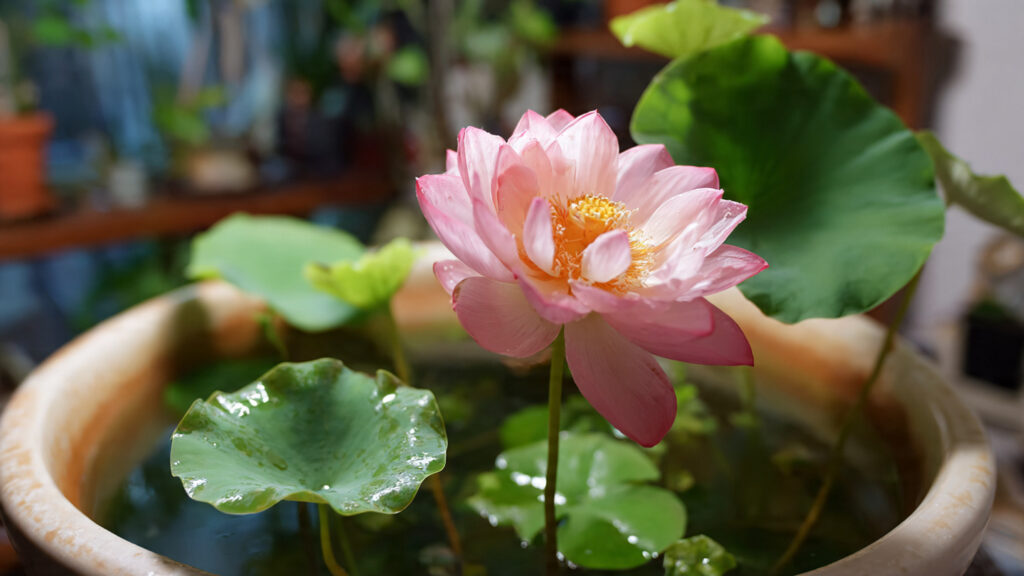
The lotus flower, with its striking petals and serene beauty, has captivated gardeners and nature enthusiasts for centuries. Known for symbolizing purity, enlightenment, and tranquility, this aquatic gem can transform any garden, patio, or balcony into a peaceful oasis. While growing lotus may seem intimidating for beginners, using a tub or container makes the process surprisingly accessible. With the right guidance, even first-time gardeners can enjoy the magic of lotus blooms.
Why Grow Lotus in a Tub?
Growing lotus in a tub offers multiple advantages over planting directly in ponds or water gardens:
- Controlled Environment: A tub allows you to manage water levels, soil quality, and sunlight exposure more easily than a large pond.
- Mobility: You can move tubs to different areas of your garden or balcony to ensure optimal sunlight or protection from harsh weather.
- Space-Friendly: Perfect for small spaces, patios, terraces, or apartments where traditional ponds aren’t feasible.
- Beginner-Friendly: Starting in a tub reduces the risk of pests and makes harvesting seeds or dividing rhizomes more convenient.
Choosing the Right Lotus Variety
Before planting, it’s important to select a lotus variety suitable for tub cultivation. Lotus plants are generally classified into three types:
- Dwarf or Mini Lotus: Ideal for small tubs or balconies; flowers are smaller but abundant.
- Medium Lotus: Suitable for medium-sized tubs; blooms can reach 6–8 inches across.
- Giant Lotus: Requires a large tub and more maintenance, producing dramatic, impressive flowers.
For beginners, dwarf or medium-sized lotus varieties are recommended. Popular choices include Nelumbo ‘Perry’s Giant Sunburst’, Nelumbo ‘Momo Botan’, and Nelumbo ‘Mrs. Perry D. Slocum’, which are known for easy care and beautiful blooms.
Selecting the Right Tub
The tub you choose is crucial to the success of your lotus garden. Consider the following factors:
- Size: For dwarf lotus, a tub 12–18 inches deep and 18–24 inches in diameter is ideal. Medium lotus may require tubs 24 inches deep or more.
- Material: Ceramic, plastic, or fiberglass tubs work well. Avoid metal tubs that can overheat in direct sunlight.
- Drainage: Lotus prefers still water, so choose a tub without drainage holes, or seal them if necessary.
Ensure the tub can hold at least 20–40 liters of water, depending on the size of your lotus.
Preparing Soil and Planting Lotus Rhizomes
Lotus plants grow from rhizomes, which are horizontal underground stems. Here’s a simple step-by-step guide for planting:
- Choose the Right Soil: Use heavy clay or loam soil. Avoid potting soil with too much organic matter, as it may float or cloud the water.
- Fill the Tub: Add 3–4 inches of prepared soil at the bottom of the tub.
- Planting the Rhizome: Place the lotus rhizome horizontally on the soil, with growing tips pointing upward. Gently cover with a thin layer of soil (about 1 inch), ensuring not to bury the growing tip.
- Adding Water: Slowly add water until it covers the soil by 2–4 inches. Initially, keep water shallow until the rhizome establishes roots.
Providing Adequate Sunlight
Sunlight is critical for lotus growth. Lotus plants thrive in full sun, requiring 6–8 hours of direct sunlight daily. If growing on a balcony or terrace, place the tub in the sunniest spot available. Partial shade may stunt growth and reduce flowering.
Water Management and Care
Maintaining the right water conditions is key to healthy lotus growth:
- Water Level: Initially, keep water 2–4 inches above the soil. As the plant grows, you can increase the water depth gradually to 12–18 inches for medium varieties.
- Water Quality: Use clean, dechlorinated water. Tap water can be used if left to sit for 24 hours to allow chlorine to evaporate.
- Temperature: Lotus thrives in warm temperatures (75–85°F or 24–29°C). Tub placement should protect roots from cold drafts or frost.
Fertilizing Lotus in a Tub
Lotus plants are heavy feeders and require regular nutrients:
- Use Aquatic Fertilizer: Choose fertilizer tablets or slow-release aquatic fertilizers specifically designed for water plants.
- Application Timing: Start fertilizing 3–4 weeks after planting when the plant begins to show growth. Avoid fertilizing too early to prevent rhizome burn.
- Frequency: Fertilize every 3–4 weeks during the growing season for vibrant blooms.
Controlling Pests and Diseases
Lotus plants are relatively hardy, but beginners may encounter some common issues:
- Aphids: Small green or black insects on leaves. Remove with water spray or insecticidal soap.
- Snails and Slugs: Can damage leaves. Manually remove or use natural deterrents.
- Fungal Infections: Yellowing leaves or brown spots can appear if water is stagnant. Maintain clean water and avoid overcrowding.
Encouraging Blooms
Lotus flowers appear after the plant establishes strong leaves and roots. To encourage blooming:
- Space: Ensure the tub isn’t overcrowded. Each rhizome should have enough room to spread.
- Warmth: Maintain warm water and avoid sudden temperature drops.
- Patience: Lotus may take a few months to bloom, especially from rhizomes. Enjoy the growth process and don’t rush.
Seasonal Care and Winterizing
In cooler regions, lotus requires seasonal attention:
- Winter Protection: Move the tub indoors or to a frost-free area if temperatures drop below 50°F (10°C).
- Dormancy: Lotus goes dormant in winter. Reduce watering and stop fertilizing.
- Spring Revival: In spring, add fresh water and resume fertilization to stimulate growth.
Aesthetic and Decorative Tips
A lotus tub can be more than a plant container—it can become a stunning decorative feature:
- Add Decorative Stones: Smooth river stones on the surface can enhance appearance and support the rhizomes.
- Floating Ornaments: Small floating ornaments or water lilies complement lotus blooms.
- Group Multiple Tubs: Arrange several tubs with different lotus varieties for a dramatic visual effect.
- Pair with Aquatic Fish: Small fish like guppies or goldfish can coexist with lotus, adding life to your tub garden.
Troubleshooting Common Beginner Problems
- Yellow Leaves: Could indicate nutrient deficiency or poor sunlight. Adjust fertilization and lighting.
- No Flowering: Often due to insufficient sunlight or overcrowded tubs. Ensure full sun and enough space.
- Rhizome Rot: Caused by overwatering or deep planting. Remove affected rhizomes and replant shallowly.
Conclusion
Growing lotus in a tub is a rewarding experience for beginners, combining ease of care with the elegance of exotic blooms. By selecting the right tub, soil, and lotus variety, and providing proper sunlight, water, and nutrients, you can cultivate a vibrant aquatic garden right at home. Over time, your lotus tub will not only become a symbol of patience and serenity but also a centerpiece of natural beauty that enchants everyone who sees it.
➡️ How to Grow Malabar Spinach from Cuttings for Fast, Easy Greens
➡️ How to Grow Super Delicious Cabbage at Home Without a Garden
➡️ How to Grow Bean Sprouts at Home in Plastic Bottles Easily (Step‑by‑Step Guide)
➡️ Why is Your Lemon Tree Blooming in the Heart of Winter?
➡️ Why Should Your Garden Have a Dedicated Pollinator Highway?
➡️ Why Do Your Fruit Trees Need a Winter Wash to Thrive in Spring?
➡️ How Can Rice Water Transform Your Fruits into Sweeter Delights?
➡️ Jumpstart Your Winter Garden: Seed Starting Under Lights
With these simple steps, even first-time gardeners can enjoy the joy of watching lotus leaves unfurl and flowers bloom, turning a humble tub into a miniature oasis of tranquility and color.