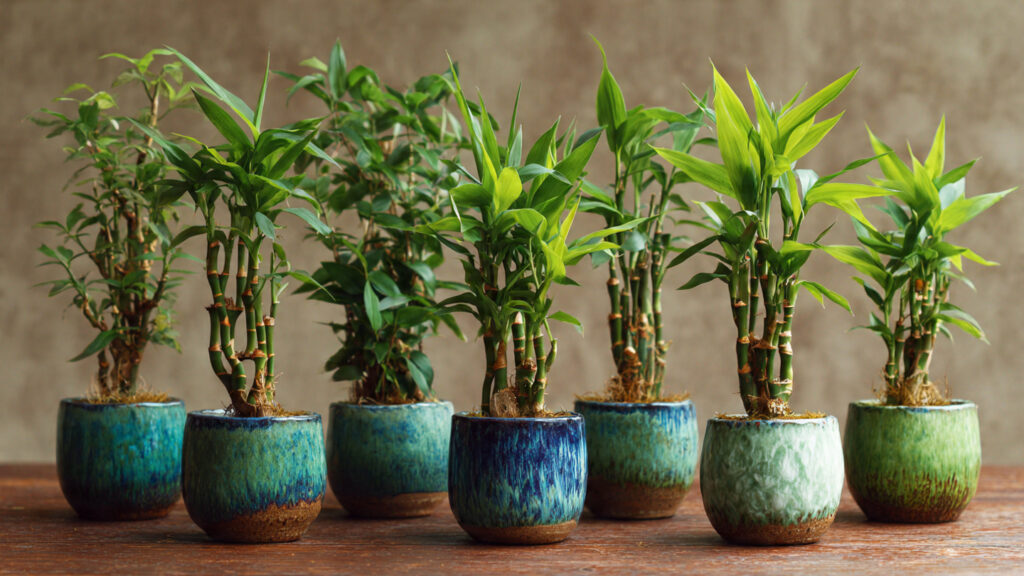
Lucky bamboo (Dracaena sanderiana) is a popular ornamental plant known for its elegant stalks, beautiful twists, and symbolic meaning of prosperity, health, and good fortune. While many people enjoy having lucky bamboo in their homes or offices, one of the most common challenges is cultivating thick, strong stems that give the plant a fuller, more attractive appearance. Thin, weak stalks can make your lucky bamboo look sparse and less healthy. The good news is that with the right care and techniques, you can promote robust stem growth and enjoy a vibrant, thriving plant.
In this article, we’ll explore the most effective methods for cultivating thick stems in your lucky bamboo and optimizing its growth.
Understanding Lucky Bamboo Growth
Before diving into cultivation techniques, it’s important to understand how lucky bamboo grows. Lucky bamboo is not a true bamboo—it belongs to the Dracaena family—but it grows in water or soil with long, segmented stalks. The thickness of the stems largely depends on:
- Nutrient availability
- Light exposure
- Water quality
- Environmental conditions
Thicker stems indicate healthy growth and a well-cared-for plant. By optimizing these factors, you can encourage your lucky bamboo to develop strong, robust stalks.
Choosing the Right Container
The container you use can significantly impact stem thickness. A narrow or crowded container restricts root growth and can lead to thinner stems, while a properly sized container promotes healthy development.
Tips for container selection:
- Size matters: Use a container that allows the roots to spread comfortably. A medium-sized vase or pot works well.
- Drainage: If planting in soil, ensure good drainage to prevent root rot. For water cultivation, use clean, clear containers to monitor root health.
- Stability: Thicker stems often require a stable base, especially as they grow taller. Consider adding decorative pebbles or stones to anchor the plant.
A suitable container creates the foundation for strong root development, which directly contributes to thicker, healthier stems.
Proper Lighting Conditions
Lucky bamboo thrives in bright, indirect sunlight. Light exposure plays a crucial role in stem thickness because photosynthesis supports energy production and growth.
Lighting tips:
- Indirect light: Place your lucky bamboo near a window with filtered sunlight. Direct sunlight may scorch the leaves and thin the stems.
- Artificial light: If natural light is limited, fluorescent or LED grow lights can supplement the plant’s light needs.
- Rotate the plant: Rotate the container every few weeks to ensure even light exposure and prevent uneven growth.
Consistent, adequate light encourages vigorous growth, resulting in fuller, more substantial stems.
Nutrient-Rich Environment
Lucky bamboo grows best when it has access to the nutrients it needs. Whether in water or soil, providing the right nutrients encourages thick stem growth.
Fertilization tips:
- Water cultivation: Use a diluted liquid fertilizer every 4–6 weeks. Avoid over-fertilization, as this can burn the roots.
- Soil cultivation: Apply a balanced, slow-release fertilizer every 2–3 months. Organic compost can also enhance soil nutrition.
- Trace elements: Lucky bamboo benefits from trace elements like iron and magnesium, which support vibrant growth.
A nutrient-rich environment fuels energy production and stimulates the development of thicker, stronger stalks.
Water Quality and Hydration
Water quality is crucial for lucky bamboo, especially when grown in water. Poor water conditions can stunt growth and lead to thin, weak stems.
Water care tips:
➡️ How to Grow Malabar Spinach from Cuttings for Fast, Easy Greens
➡️ How to Grow Super Delicious Cabbage at Home Without a Garden
➡️ How to Grow Bean Sprouts at Home in Plastic Bottles Easily (Step‑by‑Step Guide)
➡️ Why is Your Lemon Tree Blooming in the Heart of Winter?
➡️ Why Should Your Garden Have a Dedicated Pollinator Highway?
➡️ Why Do Your Fruit Trees Need a Winter Wash to Thrive in Spring?
➡️ How Can Rice Water Transform Your Fruits into Sweeter Delights?
➡️ Jumpstart Your Winter Garden: Seed Starting Under Lights
- Use clean water: Tap water with high chlorine levels should be filtered or left to sit for 24 hours before use. Distilled or rainwater is ideal.
- Change water regularly: Replace water every 7–10 days to prevent stagnation and algae growth.
- Keep roots submerged: Ensure the roots are always in water but avoid letting the stalks sit directly in water for extended periods if growing in soil.
Proper hydration prevents stress and promotes robust stem development.
Pruning and Trimming for Thicker Stems
Surprisingly, pruning can actually help your lucky bamboo grow thicker stems. By trimming leaves or sections of the stalk, you redirect energy toward stem growth.
Pruning techniques:
- Cut above a node: Always trim just above a growth node. This encourages new shoots and thickening at the base.
- Remove yellow leaves: Dead or yellowing leaves drain energy from the plant. Removing them keeps the plant healthy and encourages stronger stems.
- Top trimming for branching: Trimming the top occasionally promotes branching, which can make the plant appear fuller overall.
Regular pruning not only enhances the plant’s shape but also strengthens stem structure.
Using Natural Methods to Encourage Thick Stems
Several natural techniques can further encourage thick, sturdy stems in lucky bamboo:
- Sunlight adjustment: A few hours of gentle morning sun can stimulate stem growth. Avoid harsh midday sunlight.
- Support structures: Bamboo stakes or sticks can help young stems grow straight and strong.
- Root stimulation: Slightly shaking or moving the stalks gently can simulate natural conditions and encourage thicker stems over time.
Combining these natural methods with consistent care produces the best results.
Common Mistakes to Avoid
Even experienced gardeners sometimes make mistakes that lead to thin, weak stems. Avoid these pitfalls:
- Overcrowding: Too many stalks in a small container compete for nutrients and light.
- Over-fertilizing: Excess fertilizer can damage roots and reduce stem quality.
- Direct sunlight exposure: Harsh sunlight can burn leaves and stunt growth.
- Neglecting water changes: Stagnant or dirty water can lead to weak stems and root rot.
By avoiding these errors, you ensure optimal growth and thick, attractive stalks.
Additional Tips for Optimal Growth
To maximize stem thickness, consider the following practices:
- Layered planting: Combine tall and short stalks in one container for a fuller appearance.
- Patience is key: Lucky bamboo grows slowly; consistent care over months yields the best results.
- Seasonal adjustments: Reduce fertilizer during winter when growth naturally slows.
- Monitor health: Keep an eye on leaves, stems, and roots for signs of stress or disease.
Consistent care, attention to detail, and patience are essential to cultivating thick, strong lucky bamboo stems.
Benefits of Thick Stems in Lucky Bamboo
Thick stems not only enhance the aesthetic appeal of your lucky bamboo but also provide several functional and symbolic benefits:
- Visual appeal: Fuller stems create a more impressive, lush appearance.
- Stability: Thicker stalks support the plant better and reduce the risk of tipping over.
- Symbolism: In Feng Shui, thicker stems are associated with stronger energy, prosperity, and positive growth.
- Longevity: Healthy, thick stems contribute to the overall vitality and lifespan of the plant.
Investing effort in stem cultivation pays off both visually and energetically.
Conclusion
Growing lucky bamboo with thick, healthy stems is not only achievable but also incredibly rewarding. By focusing on proper container selection, adequate light, nutrient-rich conditions, water quality, pruning, and natural growth techniques, you can transform thin, weak stalks into robust, elegant stems that enhance the beauty of your home or office.
Remember, patience and consistent care are key. Lucky bamboo grows slowly, but with the right approach, you’ll enjoy a plant that is both visually stunning and energetically uplifting.
Start today by assessing your plant’s current care routine, making the necessary adjustments, and watching as your lucky bamboo transforms into a symbol of prosperity, vitality, and natural elegance with thick, strong stems.