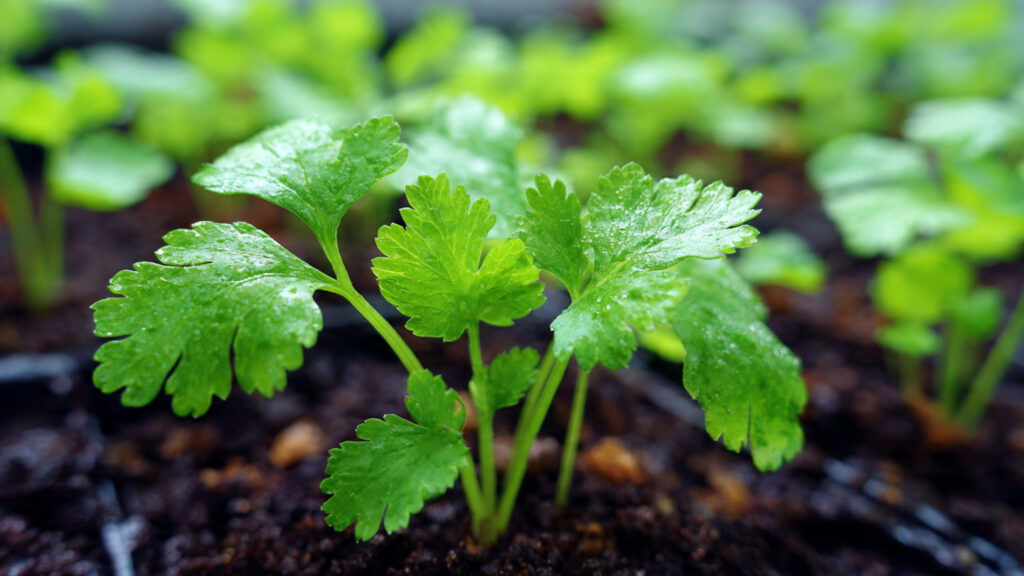
Coriander, also known as cilantro or dhania, is one of the most versatile and widely used herbs in global cuisine. Its fresh leaves and seeds enhance the flavor of countless dishes, from spicy curries to refreshing salads. For home gardeners, growing coriander from seeds is highly rewarding, but achieving rapid germination can be tricky due to the herb’s sensitivity to soil, moisture, and temperature conditions. With the right strategies, however, you can enjoy a lush, thriving coriander herb garden in no time. This guide will walk you through the best practices for fast, healthy germination and successful cultivation.
Understanding Coriander and Its Germination Needs
Coriander is an annual herb that thrives in temperate climates with moderate sunlight. Its seeds contain the embryo that will grow into the plant, and proper handling is key to quick germination. One challenge is that coriander seeds have a relatively hard outer shell, which can slow down sprouting if not prepared correctly. Additionally, the herb prefers loose, well-draining soil and consistent moisture during the germination phase. Understanding these requirements ensures your seeds sprout quickly and develop into strong, healthy plants.
Selecting High-Quality Seeds
The first step toward rapid germination is choosing seeds with high viability:
- Freshness: Fresh coriander seeds have a higher germination rate. Look for seeds harvested within the last year.
- Quality: Purchase seeds from reputable nurseries or suppliers to ensure purity and disease-free stock.
- Seed Appearance: Healthy seeds are firm, uniform in size, and free from discoloration or mold. Avoid old, shriveled seeds, as they may fail to sprout.
Pre-Soaking Seeds to Speed Germination
Pre-soaking coriander seeds is one of the most effective methods to achieve rapid sprouting. Soaking softens the hard seed coat, allowing water to penetrate and activate the embryo inside:
- Place the seeds in a bowl of lukewarm water for 12–24 hours before planting.
- Change the water halfway through if it becomes cloudy.
- After soaking, drain the seeds and plant them immediately in prepared soil.
This simple step can significantly reduce germination time from 10–14 days to just 7–10 days.
Preparing the Ideal Soil
Coriander thrives in light, well-draining soil. Heavy clay or compacted soil can slow germination and stunt growth. Here’s how to prepare your soil for best results:
- Soil Composition: Mix garden soil with compost and sand in a 2:1:1 ratio. This ensures nutrients, drainage, and aeration.
- pH Level: Coriander prefers slightly acidic to neutral soil with a pH of 6.2–7.0. Test your soil and adjust if necessary.
- Moisture Retention: Lightly moisten the soil before planting. Avoid soggy soil, as excess water can lead to seed rot.
Optimal Planting Techniques
Planting seeds at the correct depth and spacing promotes faster germination and healthy growth:
- Depth: Sow seeds 0.5–1 cm (about ¼ inch) deep. Too deep, and they may struggle to break through the soil.
- Spacing: Space seeds about 2–3 inches apart. Overcrowding can limit airflow and delay germination.
- Covering Seeds: Lightly cover seeds with soil and gently pat down. Avoid compressing the soil too much, which can inhibit sprouting.
Maintaining Consistent Moisture
Watering is critical during germination. Coriander seeds need consistent moisture but not saturation:
- Mist Regularly: Use a spray bottle to mist the soil daily, keeping it damp but not waterlogged.
- Avoid Overwatering: Standing water can cause seeds to rot. Ensure proper drainage and monitor soil moisture.
- Mulching: A thin layer of straw or fine compost can help retain moisture and regulate soil temperature.
Controlling Temperature and Sunlight
Temperature plays a crucial role in coriander germination. Seeds sprout fastest in moderate conditions:
- Optimal Temperature: 20–25°C (68–77°F) is ideal. Cooler conditions can slow germination, while extreme heat may prevent sprouting altogether.
- Sunlight: Place your seed trays or garden bed in a location that receives 4–6 hours of morning sunlight. Too much harsh afternoon sun can dry out the soil quickly, hindering germination.
- Indoor Germination: If outdoor conditions are unfavorable, start seeds indoors on a sunny windowsill or under a grow light, then transplant seedlings after 3–4 weeks.
Using Natural Germination Boosters
Several natural methods can further accelerate coriander germination:
- Sugar Solution: Soak seeds in a diluted sugar solution (1 tsp sugar per cup of water) for a few hours. Sugar provides energy to jumpstart growth.
- Ginger or Aloe Vera Extract: Some gardeners soak seeds in a mild ginger or aloe vera solution to promote healthy sprout development.
- Pre-Sprouting: Place seeds between damp paper towels in a warm area. Once they sprout tiny roots (1–2 mm), transplant them carefully into soil.
Protecting Seeds from Pests and Diseases
Healthy germination also involves preventing damage from pests or diseases:
- Fungal Protection: Avoid overwatering, use clean soil, and provide good airflow to prevent fungal growth.
- Pest Control: Birds and insects may eat seeds. Use netting or seed trays with covers to protect your coriander seeds during germination.
- Sanitation: Clean your tools, pots, and trays to reduce contamination risks.
Transplanting Seedlings
Once seedlings have developed their first true leaves (typically 2–3 weeks after germination), they can be transplanted:
- Handle seedlings gently by the leaves, avoiding root damage.
- Harden off seedlings by gradually exposing them to outdoor conditions over 5–7 days.
- Transplant into well-prepared garden beds or larger containers, spacing plants 6–8 inches apart for optimal growth.
Supporting Continuous Growth
Rapid germination is just the beginning. For a thriving coriander garden, follow these care tips:
- Watering: Keep soil consistently moist but not soggy.
- Fertilization: Use light, balanced organic fertilizers every 3–4 weeks. Avoid excessive nitrogen, which can reduce leaf flavor.
- Pruning and Harvesting: Regularly trim leaves to encourage bushy growth. Harvest in the morning for best flavor.
- Succession Planting: Sow seeds every 2–3 weeks for a continuous supply of fresh coriander.
Troubleshooting Common Issues
Even with optimal care, gardeners may encounter issues:
- Slow Germination: Likely caused by cold soil, old seeds, or uneven moisture. Pre-soak seeds and maintain consistent warmth.
- Seed Rot: Occurs from overwatering. Ensure proper drainage and avoid soggy conditions.
- Leggy Seedlings: Caused by insufficient sunlight. Provide 4–6 hours of direct light or use grow lights indoors.
Conclusion
Rapid germination of coriander seeds sets the foundation for a lush, thriving herb garden. By selecting high-quality seeds, pre-soaking them, maintaining ideal soil, moisture, and temperature conditions, and protecting them from pests, you can enjoy a bountiful harvest of fresh coriander leaves in record time. These strategies not only accelerate sprouting but also promote healthy, flavorful plants that will enhance your cooking and make your garden vibrant year-round. With patience and consistent care, your coriander garden can flourish, offering a constant supply of this aromatic and versatile herb.
➡️ How to Grow Malabar Spinach from Cuttings for Fast, Easy Greens
➡️ How to Grow Super Delicious Cabbage at Home Without a Garden
➡️ How to Grow Bean Sprouts at Home in Plastic Bottles Easily (Step‑by‑Step Guide)
➡️ Why is Your Lemon Tree Blooming in the Heart of Winter?
➡️ Why Should Your Garden Have a Dedicated Pollinator Highway?
➡️ Why Do Your Fruit Trees Need a Winter Wash to Thrive in Spring?
➡️ How Can Rice Water Transform Your Fruits into Sweeter Delights?
➡️ Jumpstart Your Winter Garden: Seed Starting Under Lights