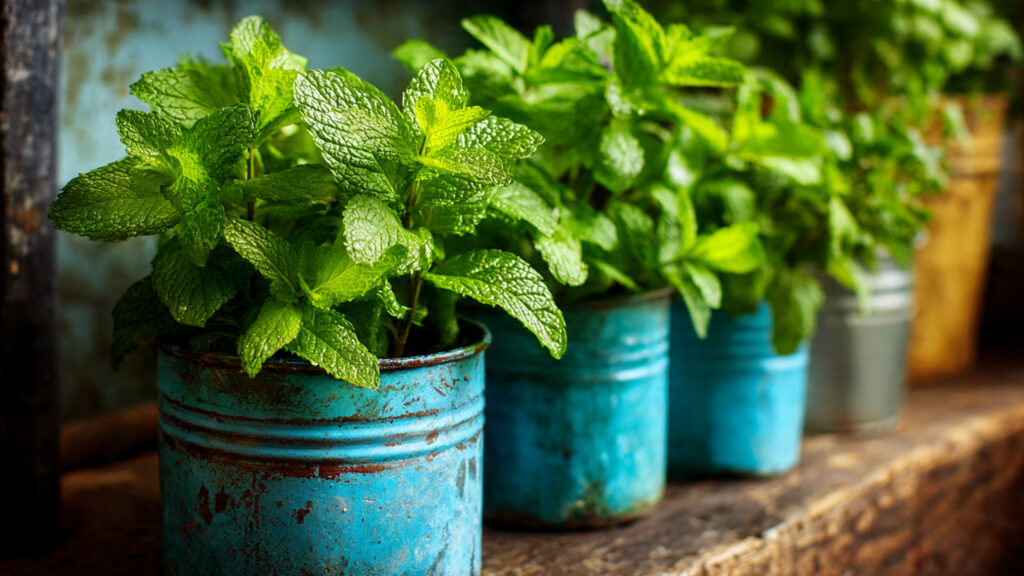
There’s something incredibly satisfying about reaching over to your windowsill and snipping a few fresh mint leaves for tea, chutney, or dessert. Mint is one of the easiest and most rewarding herbs to grow indoors, making it perfect for beginners and experienced gardeners alike. With the right setup and simple care routine, you can enjoy lush, fragrant mint all year round—no outdoor garden required.
In this ultimate guide, you’ll learn everything you need to know about growing mint indoors successfully, from choosing the right variety to harvesting and maintaining healthy plants.
Why Grow Mint Indoors?
Mint is a fast-growing, low-maintenance herb known for its refreshing aroma and versatility. Growing it indoors offers several advantages:
- Year-round harvests, regardless of weather.
- Protection from pests and harsh climate conditions.
- Easy access for cooking, teas, and home remedies.
- A natural air-freshening plant that brightens your space.
Because mint tends to spread aggressively outdoors, keeping it in containers indoors actually makes it easier to control and manage.
Best Mint Varieties for Indoor Growing
There are many types of mint, but some are especially well-suited for indoor conditions:
1. Peppermint
Peppermint has a strong, cooling flavor and is ideal for teas and desserts.
2. Spearmint
Milder and slightly sweet, spearmint is perfect for cooking, salads, and chutneys.
3. Chocolate Mint
A fun variety with a subtle chocolate aroma, great for drinks and desserts.
4. Apple Mint
Light and fruity, apple mint works well in herbal teas.
All these varieties adapt well to containers and thrive under similar indoor conditions.
How to Start Growing Mint Indoors
You can grow mint indoors either from seeds, cuttings, or nursery plants. However, starting from cuttings or small plants is usually faster and more reliable.
Starting from Cuttings (Recommended Method)
- Cut a 4–6 inch healthy stem from an established mint plant.
- Remove the lower leaves.
- Place the stem in a glass of water.
- Keep it in bright, indirect light.
- Roots will appear within 7–10 days.
- Once roots are about 1–2 inches long, transplant into soil.
This method ensures your new plant grows quickly and maintains the same flavor as the parent plant.
Starting from Seeds
If you choose seeds:
- Use a shallow container filled with seed-starting mix.
- Sprinkle seeds lightly on the surface.
- Press gently without burying deeply.
- Keep the soil moist but not soggy.
- Germination usually occurs within 10–15 days.
Seed-grown mint may take a little longer to become harvest-ready but is equally rewarding.
Choosing the Right Container
Mint thrives in containers as long as there’s proper drainage. Here’s what to look for:
➡️ How to Grow Malabar Spinach from Cuttings for Fast, Easy Greens
➡️ How to Grow Super Delicious Cabbage at Home Without a Garden
➡️ How to Grow Bean Sprouts at Home in Plastic Bottles Easily (Step‑by‑Step Guide)
➡️ Why is Your Lemon Tree Blooming in the Heart of Winter?
➡️ Why Should Your Garden Have a Dedicated Pollinator Highway?
➡️ Why Do Your Fruit Trees Need a Winter Wash to Thrive in Spring?
➡️ How Can Rice Water Transform Your Fruits into Sweeter Delights?
➡️ Jumpstart Your Winter Garden: Seed Starting Under Lights
- At least 6–8 inches deep.
- Drainage holes at the bottom.
- A saucer to catch excess water.
Terracotta pots are excellent because they allow airflow and prevent overwatering. However, plastic pots work well too if drainage is adequate.
Ideal Soil for Indoor Mint
Mint prefers:
- Well-draining potting mix.
- Slightly acidic to neutral pH.
- Soil enriched with compost.
Avoid heavy garden soil indoors, as it can compact easily and cause root problems.
A good-quality indoor potting mix combined with a little compost will provide the nutrients mint needs to thrive.
Light Requirements
Mint loves light but does not require intense direct sun all day.
- Place your plant near a south-facing or east-facing window.
- Provide 4–6 hours of bright, indirect sunlight daily.
- If natural light is limited, use a grow light for 10–12 hours a day.
If mint doesn’t receive enough light, it may become leggy and weak. Rotating the pot every few days helps maintain even growth.
Watering Schedule
Mint prefers consistently moist soil, but it doesn’t like sitting in water.
Follow these simple watering tips:
- Water when the top inch of soil feels dry.
- Ensure excess water drains completely.
- Avoid letting the plant wilt regularly.
Indoor environments, especially with air conditioning or heating, can dry soil faster. Check moisture levels frequently, especially in summer.
Temperature and Humidity
Mint grows best in:
- Temperatures between 18–24°C (65–75°F).
- Moderate indoor humidity.
Avoid placing mint near heating vents or air conditioners, as extreme temperature changes can stress the plant.
If your indoor air is dry, lightly misting the leaves occasionally can help maintain healthy growth.
Fertilizing Indoor Mint
Mint is not a heavy feeder, but occasional feeding encourages lush growth.
- Use a balanced liquid fertilizer diluted to half strength.
- Feed once every 4–6 weeks during active growth.
- Reduce feeding in winter.
Over-fertilizing can reduce the plant’s flavor intensity, so moderation is key.
Pruning and Harvesting for Continuous Growth
Regular pruning is the secret to bushy, healthy mint.
How to Harvest Properly:
- Pinch off the top leaves regularly.
- Cut stems just above a leaf node.
- Never remove more than one-third of the plant at once.
Frequent harvesting encourages new growth and prevents the plant from becoming leggy.
If mint begins to flower, pinch off the buds. Flowering can make leaves less flavorful and slow down leaf production.
Common Problems and Solutions
Even though mint is hardy, you might face occasional challenges.
1. Yellow Leaves
Cause: Overwatering or poor drainage.
Solution: Reduce watering and ensure proper drainage.
2. Leggy Growth
Cause: Insufficient light.
Solution: Move to a brighter location or use a grow light.
3. Wilting
Cause: Underwatering or root rot.
Solution: Check soil moisture and adjust watering accordingly.
4. Pests
Although less common indoors, mint can attract aphids or spider mites. If you notice pests:
- Wash leaves gently with water.
- Use mild insecticidal soap if needed.
Keeping leaves clean and ensuring good airflow helps prevent infestations.
Propagating Mint for Endless Supply
One of the best things about mint is how easily it multiplies. Once you have one healthy plant, you can create many more through cuttings.
Simply repeat the water-rooting method every few months to refresh your supply. This ensures you always have young, vigorous plants producing flavorful leaves.
You can even gift small propagated plants to friends and family.
Companion Planting Indoors
While mint grows best alone in its own pot due to its spreading roots, you can grow it near other indoor herbs like basil, parsley, or thyme—as long as each plant has its own container.
Avoid planting mint in the same pot as other herbs, as it tends to dominate the space.
Creative Ways to Use Fresh Mint
Growing mint indoors means you’ll always have fresh herbs on hand. Here are some delicious uses:
- Fresh mint tea.
- Mint chutney.
- Smoothies and detox drinks.
- Garnish for desserts and fruit salads.
- Flavoring for rice dishes and curries.
- Homemade mint syrup.
The aroma alone can uplift your mood and freshen your kitchen space.
Seasonal Care Adjustments
Even indoors, mint responds to seasonal changes.
During Summer:
- Water more frequently.
- Protect from harsh direct afternoon sunlight.
During Winter:
- Reduce watering slightly.
- Ensure adequate light.
- Avoid cold drafts.
Mint may grow slower in winter, but with proper light, it will continue producing leaves.
Final Thoughts
Growing mint indoors all year round is simple, rewarding, and highly practical. With minimal effort, you can enjoy a continuous supply of fresh, aromatic leaves for cooking, beverages, and natural remedies.
Remember the key principles:
- Provide bright, indirect light.
- Keep soil consistently moist but well-drained.
- Prune regularly for bushy growth.
- Propagate often to refresh your plants.
Once you start growing mint indoors, you’ll likely never want to go back to store-bought herbs. A small pot on your windowsill can provide endless freshness, flavor, and fragrance—every single day of the year.