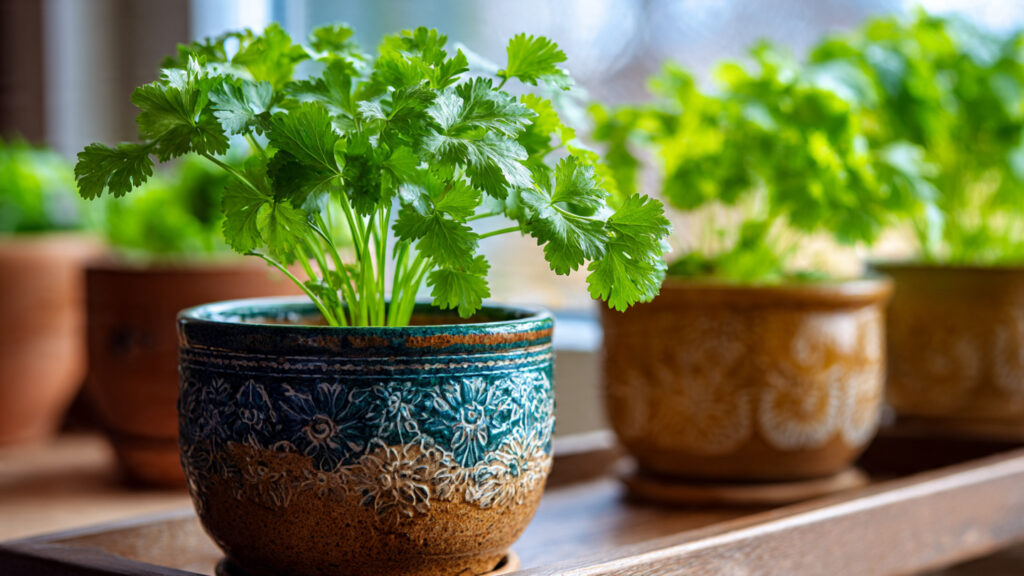
Coriander, also known as cilantro, is a fragrant and versatile herb that enhances the flavor of countless dishes around the world. While it’s commonly grown outdoors, cultivating coriander indoors is not only possible but surprisingly easy. With the right approach, you can enjoy fresh, aromatic leaves and seeds year-round without needing a large garden.
This guide will walk you through every step of effortlessly growing coriander indoors, from choosing containers and seeds to harvesting and maintaining your indoor herb garden.
Why Grow Coriander Indoors?
Indoor coriander cultivation offers several benefits:
- Year-round access – No need to worry about seasonal changes or unpredictable weather.
- Freshness and flavor – Leaves retain maximum flavor when harvested directly from your indoor plant.
- Convenience – Herbs are readily available for cooking, smoothies, or garnishes.
- Pest control – Growing indoors reduces the risk of outdoor pests like aphids or caterpillars.
Indoor cultivation also allows beginners to experiment with gardening in a controlled environment, providing a sense of satisfaction and connection with nature.
Choosing the Right Variety
Coriander comes in two primary forms: leafy coriander (cilantro) and seed coriander (used as a spice). For indoor growing, leafy varieties are most popular because they are compact and produce abundant foliage.
Popular indoor varieties include:
- Santo – Slow-bolting, ideal for continuous leaf harvest.
- Calypso – Compact and suitable for small pots or windowsills.
- Leisure – Thrives in moderate indoor conditions and produces fragrant leaves.
Selecting the right variety ensures better growth, longer harvest cycles, and maximum flavor.
Selecting Containers for Indoor Coriander
Container choice is essential for healthy coriander growth. Here’s what to consider:
- Size – Use pots that are at least 6–8 inches deep to accommodate the herb’s taproot.
- Drainage – Ensure containers have holes at the bottom to prevent waterlogging.
- Material – Plastic, ceramic, or clay pots all work; ceramic retains moisture well, while plastic is lightweight.
You can also use rectangular window boxes to grow multiple coriander plants at once, saving space and creating an attractive herb display.
Soil Preparation
Coriander thrives in well-draining, nutrient-rich soil. For indoor cultivation:
- Use a loose, fertile potting mix enriched with compost.
- Add perlite or sand to improve drainage.
- Avoid heavy garden soil, which can compact in containers and suffocate roots.
A light, airy soil mixture ensures healthy root development and encourages the production of vibrant, fragrant leaves.
Planting Coriander Seeds
Planting coriander seeds is simple but requires careful attention:
- Soak seeds for 12–24 hours to soften the hard outer coat and accelerate germination.
- Sow seeds ½ inch deep in the soil, spacing them about 1–2 inches apart.
- Lightly cover seeds with soil and water gently to avoid displacing them.
- Maintain consistent moisture, keeping the soil damp but not waterlogged.
Germination typically occurs within 7–10 days, after which tiny green sprouts appear. Thin seedlings to 2–3 inches apart to allow sufficient space for growth.
Ideal Indoor Conditions for Growth
Coriander prefers specific indoor conditions to thrive:
- Sunlight – Place the pots near a south- or west-facing window for 4–6 hours of direct sunlight daily. If natural light is limited, use full-spectrum grow lights for 10–12 hours per day.
- Temperature – Maintain a moderate indoor temperature between 65–75°F (18–24°C). Avoid placing plants near heaters or drafty windows.
- Humidity – Indoor air can be dry; occasionally mist the leaves or place the pot on a tray with water to maintain humidity.
Providing the right conditions ensures rapid growth, vibrant color, and aromatic leaves.
➡️ How to Grow Malabar Spinach from Cuttings for Fast, Easy Greens
➡️ How to Grow Super Delicious Cabbage at Home Without a Garden
➡️ How to Grow Bean Sprouts at Home in Plastic Bottles Easily (Step‑by‑Step Guide)
➡️ Why is Your Lemon Tree Blooming in the Heart of Winter?
➡️ Why Should Your Garden Have a Dedicated Pollinator Highway?
➡️ Why Do Your Fruit Trees Need a Winter Wash to Thrive in Spring?
➡️ How Can Rice Water Transform Your Fruits into Sweeter Delights?
➡️ Jumpstart Your Winter Garden: Seed Starting Under Lights
Watering and Fertilizing
Coriander requires consistent care to flourish indoors:
- Watering – Water when the top inch of soil feels dry. Avoid overwatering, which leads to root rot. Water gently to keep soil evenly moist.
- Fertilizing – Use a balanced liquid fertilizer every 2–3 weeks to promote healthy foliage. Over-fertilizing can result in fast leaf growth but may reduce flavor intensity.
Adding organic compost occasionally also enriches the soil and supports strong root development.
Controlling Bolting
Coriander is prone to bolting, which occurs when the plant produces flowers too early, leading to bitter leaves. To prevent bolting indoors:
- Maintain moderate temperatures, avoiding excess heat.
- Harvest leaves regularly to encourage continuous growth.
- Provide sufficient light, but avoid sudden exposure to extreme sunlight.
Selecting slow-bolting varieties can also significantly extend the leaf-harvesting period.
Harvesting Coriander Indoors
Harvesting is simple and can be done continuously:
- Leaf harvesting – Snip outer leaves from the base using scissors, leaving the inner leaves intact to continue growing.
- Seed harvesting – Allow some plants to flower and produce seeds. Once seeds turn brown, collect them for culinary use or future planting.
Regular harvesting encourages more leaf growth and ensures a constant supply of fresh coriander.
Common Challenges and Solutions
Even indoors, coriander can face minor challenges:
- Leggy growth – Caused by insufficient light. Move plants closer to a window or provide grow lights.
- Yellowing leaves – Usually a result of overwatering or nutrient deficiency. Adjust watering and apply a balanced fertilizer.
- Pests – Indoor pests like aphids can appear. Wipe leaves with a mild soap solution or neem oil spray to control infestations.
By monitoring plants regularly, you can prevent most problems before they affect overall growth.
Tips for Maximizing Growth and Flavor
- Rotate pots to ensure even sunlight exposure on all sides.
- Use fresh water when misting or watering to prevent mineral buildup.
- Mix companion herbs like basil or parsley in the same windowsill to encourage pest control and optimal use of space.
- Harvest early in the morning when leaves are most aromatic.
These small steps can significantly improve both yield and flavor, giving you a reliable indoor herb garden.
Benefits of Growing Coriander Indoors
Indoor coriander cultivation has several advantages:
- Health benefits – Rich in vitamins A, C, and K, and antioxidants.
- Culinary versatility – Perfect for garnishes, salads, curries, and sauces.
- Cost-effective – Growing your own herb reduces frequent grocery trips.
- Sustainable – Indoor gardens reduce the carbon footprint associated with store-bought herbs.
With a few simple steps, you can enjoy these benefits while beautifying your indoor space.
Creative Uses for Homegrown Coriander
Fresh coriander leaves and seeds can elevate your culinary creations:
- Garnish for soups and stews – Add a burst of color and aroma.
- Chutneys and sauces – Blend leaves with spices for fresh, flavorful condiments.
- Smoothies and juices – Incorporate leaves for added nutrients.
- Seasoning seeds – Toast seeds for curries, baked goods, or salad dressings.
Growing coriander indoors ensures a constant supply for all these applications, making your meals more flavorful and healthy.
Conclusion
Growing coriander indoors is a rewarding and practical way to enjoy fresh herbs year-round. By selecting the right variety, providing appropriate containers, ensuring adequate light and moisture, and following simple care steps, you can cultivate healthy, aromatic coriander with minimal effort.
With patience and attention to detail, your indoor coriander garden will thrive, offering a continuous supply of flavorful leaves and seeds for your cooking, while adding a touch of greenery to your home. Start today, and enjoy the convenience, freshness, and satisfaction of effortless indoor coriander cultivation.