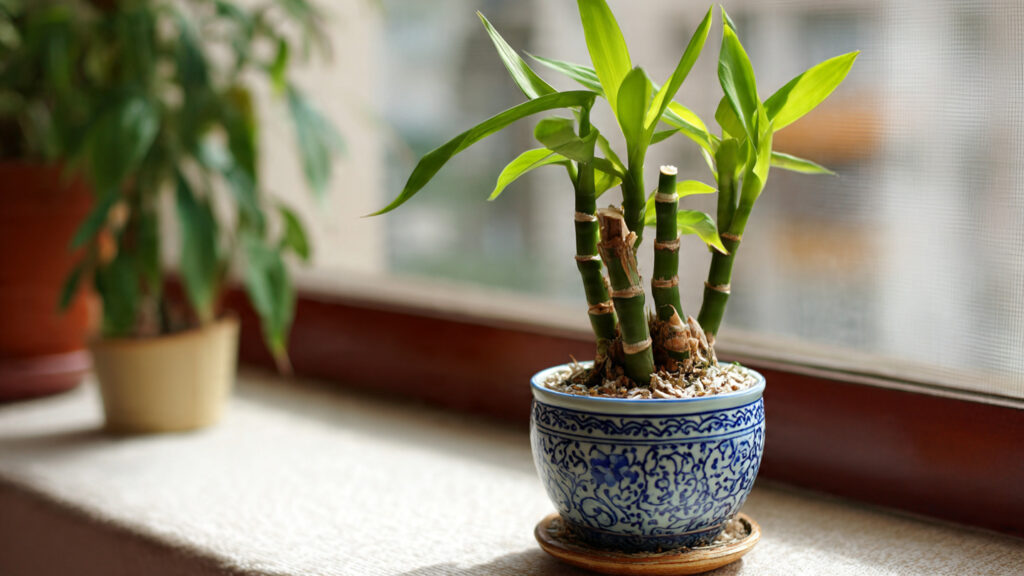
Lucky bamboo (Dracaena sanderiana) is a popular houseplant known for its elegant stalks, vibrant green leaves, and association with good fortune in Feng Shui. While it may appear delicate, lucky bamboo is remarkably resilient and can thrive indoors with the right care. One of the most common questions plant enthusiasts have is how to accelerate growth without compromising the health or aesthetic of the plant. Achieving faster growth indoors requires understanding its biology, light and water needs, propagation techniques, and environmental factors. In this guide, we will explore the best methods for promoting rapid, healthy growth of lucky bamboo so your indoor garden can flourish.
Understanding Lucky Bamboo Growth
Despite its name, lucky bamboo is not true bamboo. It belongs to the Dracaena genus, making it more closely related to dragon trees than to grass-type bamboos. Its natural habitat is tropical rainforests, which explains why it thrives in warm, humid, and low-light environments.
Key growth characteristics of lucky bamboo include:
- Stalk elongation – new nodes grow upward, producing taller stems.
- Leaf development – vibrant green leaves emerge from the nodes, signaling healthy growth.
- Propagation through cuttings – new stalks grow from stem cuttings placed in water or soil.
Understanding these traits helps gardeners create the right conditions for accelerated indoor growth.
Choosing the Right Container and Medium
Lucky bamboo can grow in water or soil, and the choice affects how quickly it grows.
1. Growing in Water
Many indoor growers prefer water culture because it’s low-maintenance and visually appealing.
- Container choice: Use a glass vase or container wide enough to support the stalks but not overcrowd the roots.
- Water quality: Use distilled or filtered water to prevent chlorine and fluoride from damaging growth. Tap water can be used if left to sit for 24 hours to dissipate chemicals.
- Water depth: Roots should be fully submerged but avoid submerging stalks too deeply. Refresh water every 1–2 weeks to prevent stagnation.
2. Growing in Soil
Soil-grown lucky bamboo tends to grow faster because it can absorb more nutrients.
- Soil mix: Use well-draining, loamy soil enriched with organic matter. Avoid compacted or heavy soils that retain too much water.
- Container drainage: Ensure pots have adequate drainage holes to prevent root rot.
- Fertilization: Soil allows for more frequent nutrient supplementation, which can accelerate growth.
Providing Optimal Light Conditions
While lucky bamboo tolerates low light, moderate indirect light promotes faster growth.
- Place your plant near north or east-facing windows for consistent, indirect sunlight.
- Avoid direct sunlight, which can scorch leaves and slow growth.
- In low-light homes, supplement with fluorescent or LED grow lights for 6–8 hours per day.
Consistent, moderate light encourages photosynthesis, fueling both stalk elongation and leaf production.
Watering and Humidity Strategies
Lucky bamboo’s growth is highly dependent on proper water and humidity management.
1. Watering Tips
- For water-grown plants, change the water every 1–2 weeks and ensure roots remain submerged.
- For soil-grown plants, keep soil evenly moist but not soggy. Water when the top inch of soil feels dry.
2. Humidity
High humidity mimics its natural tropical environment, promoting faster growth.
- Mist leaves daily during dry indoor periods.
- Place the container on a humidity tray filled with water and pebbles.
- Group plants together to create a microclimate with higher humidity.
Fertilization Techniques for Accelerated Growth
Nutrients are essential for rapid growth. Lucky bamboo is not a heavy feeder, but light fertilization encourages healthier, faster development.
1. Liquid Fertilizers
- Use a diluted liquid fertilizer every 4–6 weeks. Over-fertilizing can burn roots and stunt growth.
- Fertilizers with nitrogen are particularly effective for promoting leaf and stalk elongation.
2. Fertilizing Water-Grown Plants
- Add a few drops of fertilizer to the water each month.
- Avoid high concentrations; lucky bamboo is sensitive to excess minerals.
3. Fertilizing Soil-Grown Plants
- Apply a balanced slow-release fertilizer in the spring and summer when active growth occurs.
- Organic compost or worm castings can also boost growth naturally.
Pruning and Training Techniques
Pruning is crucial not just for aesthetics but also for stimulating new growth.
1. Pruning Tips
- Trim yellowing or damaged leaves to redirect energy to healthy stalks.
- Cut stalks just above a node to encourage branching and new shoots.
- Frequent, small pruning promotes faster vertical growth by stimulating new nodes.
2. Training Stalks
- Lucky bamboo can be trained into twists, spirals, or braids, which can indirectly influence growth patterns.
- Gently tie stalks to supports or wire forms to guide their shape. Avoid tying too tightly, which can restrict growth.
Propagation for Faster Growth
Propagation is a practical way to expand your lucky bamboo collection while encouraging growth.
1. Stem Cuttings
- Select healthy, mature stalks and cut above a node.
- Place cuttings in water or soil to develop roots. Growth is typically faster in water initially.
2. Dividing Clumps
- Mature plants with multiple stalks can be divided.
- Replant each stalk in its own container to reduce competition for nutrients and light, accelerating individual growth.
Environmental Factors That Promote Growth
Lucky bamboo’s growth rate can be influenced by small adjustments in its environment:
➡️ How to Grow Malabar Spinach from Cuttings for Fast, Easy Greens
➡️ How to Grow Super Delicious Cabbage at Home Without a Garden
➡️ How to Grow Bean Sprouts at Home in Plastic Bottles Easily (Step‑by‑Step Guide)
➡️ Why is Your Lemon Tree Blooming in the Heart of Winter?
➡️ Why Should Your Garden Have a Dedicated Pollinator Highway?
➡️ Why Do Your Fruit Trees Need a Winter Wash to Thrive in Spring?
➡️ How Can Rice Water Transform Your Fruits into Sweeter Delights?
➡️ Jumpstart Your Winter Garden: Seed Starting Under Lights
1. Temperature
- Maintain indoor temperatures between 65–90°F (18–32°C).
- Avoid sudden temperature drops, drafts, or proximity to heating vents.
2. Air Circulation
- Gentle airflow prevents mold or fungal issues without drying out the plant.
- Avoid overcrowding containers to ensure each plant receives enough oxygen.
3. Light Duration
- Extend light exposure to 12–14 hours per day with artificial lights if natural light is limited.
- Longer light periods can stimulate photosynthesis, leading to faster growth.
Troubleshooting Slow Growth
Even with proper care, lucky bamboo may grow slowly. Common issues include:
- Yellow leaves: Often a sign of over-fertilization or poor water quality.
- Stunted stalks: Could be due to insufficient light or nutrient deficiencies.
- Root rot: Occurs when water becomes stagnant or soil is too wet.
Solutions:
- Flush water-grown plants with fresh, distilled water to remove excess minerals.
- Adjust fertilizer dosage.
- Move plants to brighter, indirect light locations.
Additional Tips for Thriving Indoor Growth
- Rotate plants periodically to ensure even light exposure.
- Use pebbles or hydroton clay balls in water containers to stabilize stalks.
- Maintain consistent care routines to reduce stress and boost growth potential.
- Combine pruning, fertilization, and propagation for synergistic growth effects.
Conclusion: Maximizing Lucky Bamboo Growth Indoors
Accelerating lucky bamboo growth indoors is achievable with a combination of proper light, water, nutrition, pruning, and environmental control. While the plant is low-maintenance, a little attention to detail can make a significant difference in growth rate and overall health. By understanding its biology and mimicking its natural tropical conditions, you can enjoy tall, lush stalks and vibrant leaves year-round.
Whether you grow it in water or soil, for Feng Shui purposes, decorative arrangements, or simply to enjoy its lush green beauty, lucky bamboo can thrive with the right care. Implementing the strategies outlined in this guide ensures a faster, healthier, and more visually appealing plant, giving your indoor garden a refreshing touch of natural elegance.