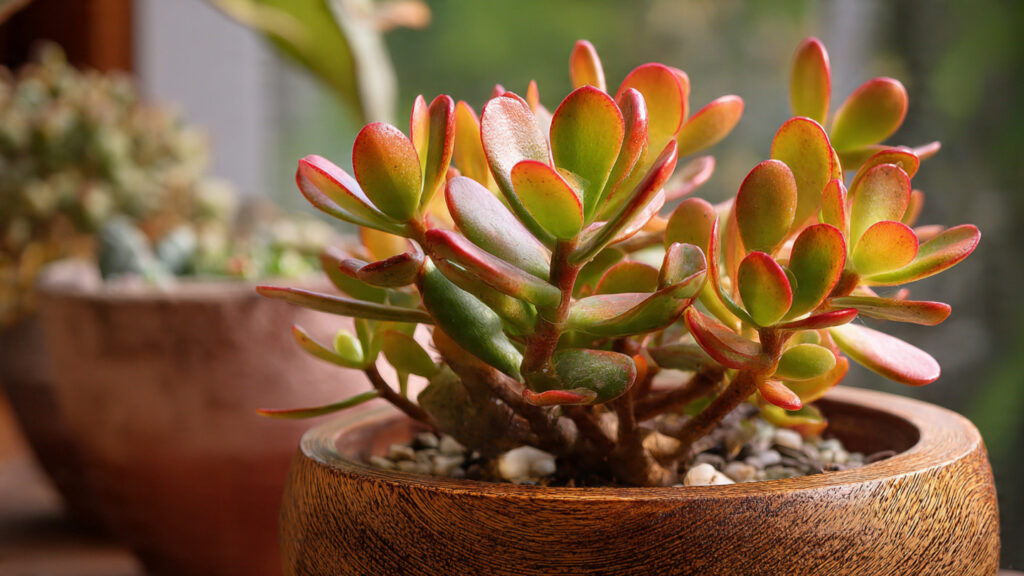
Crassula jade shrubs—commonly known as jade plants—are among the most beloved succulents in home gardening. With their thick, glossy leaves and tree-like structure, they bring both elegance and resilience to indoor and outdoor spaces. Often associated with good luck and prosperity, jade plants are long-lived, low-maintenance, and surprisingly adaptable.
The most widely grown species is Crassula ovata, a South African native that thrives in warm, bright environments. While many gardeners propagate jade plants from cuttings, growing them from seed to mature shrubs is both possible and rewarding.
This comprehensive guide will walk you through every stage—from seed selection to nurturing a mature jade shrub in your home garden.
Understanding the Jade Plant
Before planting, it’s helpful to understand the plant’s natural characteristics.
Crassula ovata is a succulent shrub that:
- Stores water in its thick leaves
- Develops woody stems as it matures
- Can live for decades
- Thrives in bright, indirect light
- Prefers well-draining soil
In ideal conditions, jade plants can grow into small shrubs up to 3–6 feet tall, though they grow slowly.
Step 1: Starting from Seeds
Growing jade plants from seeds requires patience. Seeds are tiny and require careful handling.
Choosing Quality Seeds
Purchase seeds from reputable suppliers. Fresh seeds have higher germination rates. Since jade seeds are very small, handle them gently and avoid burying them too deeply.
Preparing the Soil Mix
Succulents require excellent drainage. Prepare a light, well-aerated seed-starting mix using:
- 50% cactus or succulent soil
- 25% perlite
- 25% fine sand
Sterile, well-draining soil reduces the risk of fungal issues.
Sowing the Seeds
- Fill shallow trays or pots with your soil mix.
- Lightly moisten the soil before planting.
- Sprinkle seeds evenly on the surface.
- Press gently without burying them deeply—light exposure helps germination.
Cover the container with a clear plastic lid or wrap to maintain humidity.
Germination Conditions
Place the container in a warm, bright location with indirect sunlight. Ideal temperatures range between 18–24°C (65–75°F).
Germination may take 2–4 weeks. Keep soil lightly moist but never soggy.
Step 2: Caring for Seedlings
Once seedlings appear, remove the plastic covering gradually to prevent sudden humidity changes.
Young jade seedlings need:
➡️ How to Grow Malabar Spinach from Cuttings for Fast, Easy Greens
➡️ How to Grow Super Delicious Cabbage at Home Without a Garden
➡️ How to Grow Bean Sprouts at Home in Plastic Bottles Easily (Step‑by‑Step Guide)
➡️ Why is Your Lemon Tree Blooming in the Heart of Winter?
➡️ Why Should Your Garden Have a Dedicated Pollinator Highway?
➡️ Why Do Your Fruit Trees Need a Winter Wash to Thrive in Spring?
➡️ How Can Rice Water Transform Your Fruits into Sweeter Delights?
➡️ Jumpstart Your Winter Garden: Seed Starting Under Lights
- Bright, indirect light
- Consistent but light watering
- Excellent air circulation
Avoid direct harsh sunlight at this stage, as delicate seedlings can scorch easily.
Water only when the top layer of soil dries out. Overwatering is the most common mistake.
Step 3: Transplanting Young Plants
When seedlings develop several sets of leaves and appear sturdy, they can be transplanted into individual pots.
Choosing the Right Pot
Use pots with drainage holes. Terracotta pots are ideal because they allow moisture to evaporate more easily.
Soil for Mature Growth
Switch to a standard succulent mix:
- 60% cactus soil
- 20% perlite
- 20% coarse sand
This ensures long-term drainage and root health.
Handle seedlings gently during transplanting to avoid damaging their delicate roots.
Step 4: Light Requirements for Mature Jade Shrubs
Jade plants thrive in bright light. Ideally, they should receive:
- 4–6 hours of bright, indirect sunlight daily
- Some gentle morning sun
If grown indoors, place them near a south- or west-facing window (depending on hemisphere).
Insufficient light may cause:
- Leggy growth
- Pale leaves
- Weak stems
Too much direct afternoon sun, however, can scorch leaves.
Step 5: Watering Guidelines
Because jade plants store water in their leaves, they prefer infrequent but deep watering.
Follow the “Soak and Dry” Method:
- Water thoroughly until water drains from the bottom.
- Allow soil to dry completely before watering again.
Overwatering can lead to:
- Root rot
- Yellowing leaves
- Soft stems
In winter, reduce watering significantly, as growth slows.
Step 6: Fertilizing for Healthy Growth
Jade plants are light feeders.
During the growing season (spring and summer), feed with a diluted balanced fertilizer once every 4–6 weeks.
Avoid fertilizing in winter when the plant is dormant.
Too much fertilizer may cause excessive growth and weak stems.
Step 7: Pruning and Shaping
As jade plants mature, they develop woody stems and a shrub-like appearance.
Pruning helps:
- Encourage branching
- Maintain compact shape
- Remove leggy growth
- Strengthen structure
Use clean, sharp scissors to trim just above leaf nodes. Pruned sections can be rooted as new plants.
Over time, pruning encourages a fuller, more tree-like shape.
Step 8: Encouraging Flowering
Under ideal conditions, mature jade plants produce small star-shaped white or pink flowers.
Flowering typically occurs when:
- The plant is several years old
- It experiences cooler nighttime temperatures
- Watering is reduced slightly in winter
- Light exposure is sufficient
While flowering is not guaranteed indoors, mature shrubs occasionally bloom under consistent care.
Step 9: Managing Pests and Problems
Jade plants are generally resilient, but they may face occasional issues.
Common Problems:
Overwatering:
Symptoms include mushy stems and falling leaves.
Mealybugs:
These appear as white cotton-like spots. Remove with alcohol-dipped cotton swabs.
Leaf Drop:
Often caused by stress from sudden temperature changes or watering issues.
Prevention through proper watering and airflow is key.
Step 10: Growing Outdoors in Home Gardens
In warm climates, jade plants can be grown outdoors year-round.
They prefer:
- Mild temperatures
- Protection from frost
- Well-draining soil
In colder climates, move potted plants indoors before temperatures drop below 10°C (50°F).
Outdoor plants often grow faster and develop thicker stems due to stronger light.
Long-Term Growth and Care
Jade plants are slow growers, but with patience, they can become impressive shrubs.
Over the years:
- Stems become woody
- Leaves grow thicker
- The plant develops a miniature tree appearance
Repot every 2–3 years to refresh soil and provide room for root growth.
Avoid oversized pots, as excess soil retains moisture.
Why Grow from Seeds?
Many gardeners propagate jade from cuttings because it’s faster. However, growing from seeds offers unique advantages:
- Watching the full life cycle
- Producing genetically unique plants
- Gaining deeper gardening experience
Seed-grown plants may show subtle differences in shape or growth pattern.
The Beauty of Patience
Growing Crassula jade shrubs from seeds to maturity requires time and consistency. Unlike fast-growing vegetables, jade plants reward slow, attentive care.
Their longevity makes them excellent heirloom plants—often passed down through generations.
With proper care, your jade shrub can thrive for decades.
Final Thoughts
Successfully growing Crassula ovata from seeds to mature shrubs is a deeply satisfying journey. From delicate seedlings to sturdy, tree-like plants, each stage offers its own rewards.
By providing well-draining soil, bright light, careful watering, and occasional pruning, you create the conditions jade plants need to flourish.
In return, they offer beauty, resilience, and a lasting presence in your home garden.