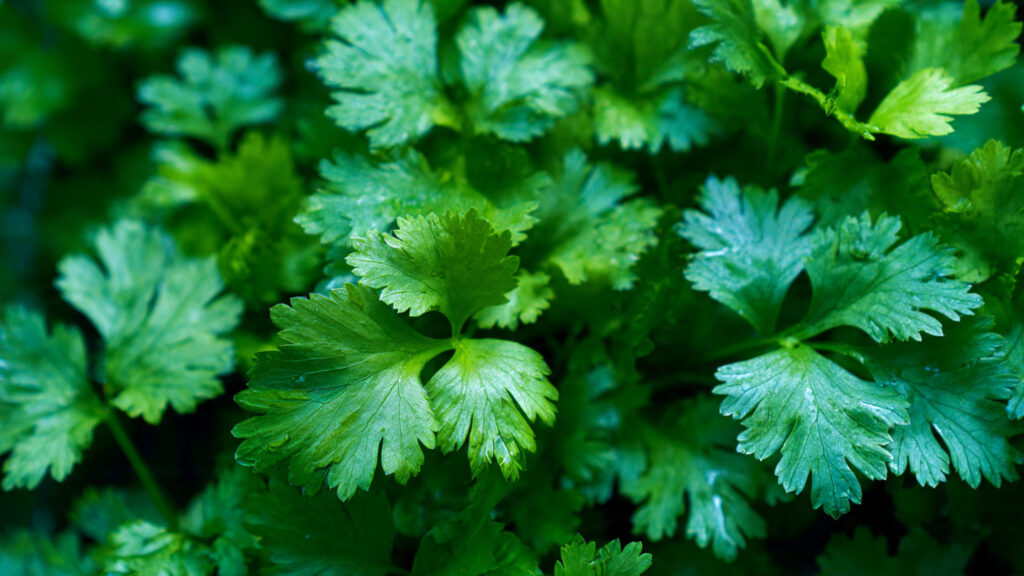
Coriander, also known as cilantro (Coriandrum sativum), is a staple in kitchens around the world, celebrated for its fresh, aromatic leaves and versatile flavor. From garnishing curries to enhancing salads and salsas, coriander leaves add a burst of freshness to countless dishes. However, many gardeners struggle to grow lush, continuous coriander because it tends to bolt quickly or produce sparse foliage. The good news is that cultivating vibrant coriander leaves doesn’t require complicated techniques, exotic fertilizers, or greenhouse setups. With the right approach, you can grow healthy, leafy coriander right in your garden or even in pots at home. This guide reveals the secrets to cultivating lush coriander leaves naturally and easily.
Understanding Coriander Growth
Coriander is an annual herb that grows best in cool, sunny conditions. Its leaves are delicate, and the plant has a tendency to bolt—produce flowers and seeds—when exposed to high temperatures or long daylight hours. Once it bolts, the leaves become bitter, which is why timing and proper care are critical for maximizing leaf production.
Key points about coriander growth include:
- Short Growing Season: Coriander grows quickly, often ready to harvest in 3–4 weeks from sowing.
- Temperature Sensitivity: Ideal growth occurs in temperatures between 50–75°F (10–24°C).
- Soil Preference: Loamy, well-draining soil with moderate fertility encourages lush leaf growth.
Understanding these fundamentals helps gardeners create conditions that favor leafy development over premature flowering.
Selecting the Right Seeds
The foundation of healthy coriander is high-quality seeds. Fresh seeds germinate faster and produce stronger seedlings. When choosing seeds, look for:
- Variety Selection: Some varieties are bred for leaf production rather than seeds. Varieties such as ‘Santo’ or ‘Caribe’ are slow to bolt and produce abundant foliage.
- Seed Freshness: Coriander seeds lose viability quickly, so avoid old or improperly stored seeds.
- Organic Options: Organic seeds are free from chemical coatings and are ideal for home gardens where fresh leaves are consumed regularly.
By starting with the right seeds, you give your coriander the best chance to thrive.
Sowing Coriander Seeds
Proper sowing is crucial for germination and healthy leaf growth. Here’s the simple method:
- Prepare Soil: Loosen garden soil or potting mix to a fine texture. Coriander grows best in soil enriched with compost for nutrients and moisture retention.
- Plant Seeds Shallowly: Sow seeds about ¼ inch deep. Planting too deep slows germination.
- Spacing: Thin seedlings to 4–6 inches apart to allow sufficient airflow and room for leaf expansion. Crowded plants produce smaller leaves and are prone to disease.
- Water Gently: Moisten the soil lightly after sowing. Keep the soil consistently damp until germination, usually 7–14 days.
This straightforward sowing method encourages strong seedlings and sets the stage for lush foliage.
Watering Techniques for Leafy Growth
Coriander requires consistent moisture but does not tolerate waterlogging. The key is to maintain soil that is evenly moist:
- Regular Watering: Water your plants lightly every 1–2 days in hot or dry conditions. Avoid letting the soil dry out completely.
- Morning Watering: Watering in the morning reduces evaporation and provides leaves with hydration during the day.
- Mulching: Apply a thin layer of organic mulch around the base to retain moisture, regulate soil temperature, and suppress weeds.
Balanced watering ensures healthy leaf development and prevents stress-induced bolting.
Sunlight Requirements
Coriander grows best in full sun, ideally 4–6 hours per day, but it can tolerate light shade in hotter climates. Excessive heat and intense afternoon sun can accelerate bolting, so in warmer regions, provide partial shade during the hottest part of the day.
Tips for optimal sunlight exposure:
- Garden Placement: Choose a location with morning sun and afternoon shade if your climate is hot.
- Indoor Gardening: Place coriander near a south-facing window or under a grow light for 12–14 hours daily.
- Rotation: Turn pots occasionally to ensure even growth and prevent leggy plants.
Proper sunlight balances growth and delays flowering, keeping leaves tender and flavorful.
Soil Fertility and Organic Feeding
For lush coriander leaves, soil fertility plays a crucial role. Coriander thrives in soil with moderate nutrients—too much nitrogen promotes leafy growth but may reduce flavor, while too little slows growth.
Simple organic feeding techniques include:
➡️ How to Grow Malabar Spinach from Cuttings for Fast, Easy Greens
➡️ How to Grow Super Delicious Cabbage at Home Without a Garden
➡️ How to Grow Bean Sprouts at Home in Plastic Bottles Easily (Step‑by‑Step Guide)
➡️ Why is Your Lemon Tree Blooming in the Heart of Winter?
➡️ Why Should Your Garden Have a Dedicated Pollinator Highway?
➡️ Why Do Your Fruit Trees Need a Winter Wash to Thrive in Spring?
➡️ How Can Rice Water Transform Your Fruits into Sweeter Delights?
➡️ Jumpstart Your Winter Garden: Seed Starting Under Lights
- Compost: Incorporate well-rotted compost into the soil before sowing to provide slow-release nutrients.
- Liquid Fertilizers: Use diluted organic fertilizers, such as fish emulsion or seaweed extract, once every 2–3 weeks to boost leaf growth.
- Balanced Fertilization: Ensure nutrients are balanced; high nitrogen encourages leaves, phosphorus supports root growth, and potassium strengthens stems.
Feeding naturally ensures strong, healthy leaves without chemical buildup.
Preventing Bolting for Extended Leaf Harvest
Bolting is the main challenge when growing coriander for leaves. When plants bolt, they divert energy from leaves to flowers and seeds, causing leaves to become sparse and bitter.
Strategies to prevent bolting naturally:
- Temperature Control: Plant coriander in early spring or fall in cooler climates. In hot regions, sow in partial shade or grow in containers that can be moved indoors.
- Succession Planting: Sow small batches every 2–3 weeks to ensure a continuous harvest before older plants bolt.
- Regular Harvesting: Harvest leaves consistently; cutting encourages new growth and delays flowering. Avoid cutting too close to the base in early stages, as young plants need leaves for photosynthesis.
With these methods, you can maintain a steady supply of lush leaves throughout the season.
Harvesting for Maximum Leaf Yield
The way you harvest coriander impacts the overall yield and plant longevity:
- Pick Outer Leaves: Start harvesting from the outermost leaves, allowing the center to continue growing.
- Frequent Cutting: Regular harvesting stimulates new growth and prevents overcrowding.
- Avoid Overharvesting Early: Leave enough leaves on young plants to support photosynthesis and root development.
By harvesting strategically, your coriander plants will remain productive and leafy for weeks.
Companion Planting for Healthier Growth
Coriander benefits from companion planting, which improves soil quality, deters pests, and encourages lush growth:
- Tomatoes and Peppers: Coriander attracts beneficial insects that prey on common pests of these vegetables.
- Leafy Greens: Planting alongside lettuce or spinach provides partial shade in hotter climates and improves soil moisture retention.
- Herb Mix: Pair with basil, dill, or parsley to encourage pollinators and create a healthy herb garden ecosystem.
Companion planting enhances the growth environment without complex interventions.
Common Problems and Simple Solutions
Even with straightforward care, coriander may encounter minor issues. Here’s how to handle them:
- Yellowing Leaves: Often caused by overwatering or nutrient deficiency. Adjust watering and apply a light organic fertilizer.
- Pests: Aphids and leaf miners are common. Spray with neem oil or insecticidal soap for a natural solution.
- Leggy Growth: Caused by insufficient sunlight. Move plants to a sunnier location or supplement with grow lights.
- Bolting: Manage temperature, provide partial shade, and harvest regularly to prevent premature flowering.
By addressing these issues early, you can maintain lush, productive coriander plants with minimal effort.
Growing Coriander in Containers
Container gardening makes coriander cultivation easy, especially for small spaces or urban homes:
- Pot Size: Use containers at least 8–10 inches deep with drainage holes.
- Soil Mix: Use a well-draining potting mix enriched with compost.
- Mobility: Containers allow you to move plants to optimize light and temperature conditions.
- Succession Planting: Grow multiple pots and sow seeds at intervals to ensure continuous leaf harvest.
Container cultivation is simple, flexible, and ideal for gardeners who want fresh coriander year-round.
Conclusion
Growing lush coriander leaves in your garden doesn’t require complicated methods or high-maintenance techniques. By focusing on basic principles—high-quality seeds, well-draining soil, consistent watering, adequate sunlight, organic feeding, and strategic harvesting—you can cultivate healthy, leafy coriander naturally. Preventing bolting, using companion plants, and adopting simple container gardening strategies further ensure a continuous supply of aromatic leaves for your kitchen.
With patience and observation, even beginner gardeners can enjoy abundant, flavorful coriander all season long. The key is to provide the plant with its natural needs and let it thrive under straightforward care. By following these secrets, your garden can become a source of fresh, vibrant coriander leaves, transforming everyday meals into culinary delights without the need for complex gardening methods.