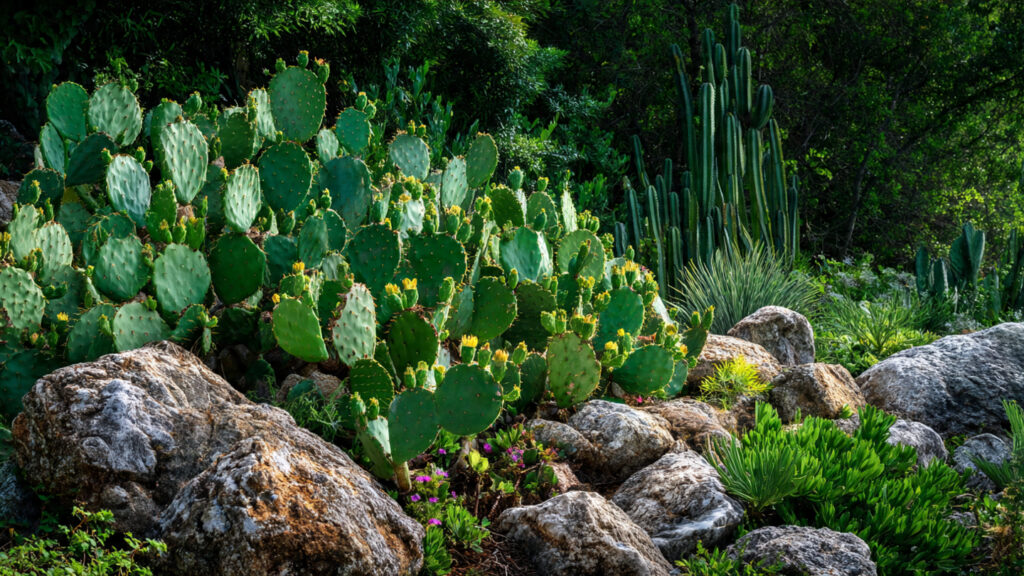
In today’s world of sustainable landscaping, homeowners and gardeners are increasingly seeking plants that are not only visually appealing but also functional. One remarkable plant that meets both criteria is the Opuntia, commonly known as the prickly pear cactus. Known for its striking appearance, resilience, and practical uses, Opuntia can serve as a natural barrier, enhancing both the beauty and security of your landscape. This guide will take you through everything you need to know about cultivating Opuntia successfully.
Understanding Opuntia: Beauty Meets Utility
Opuntia is a genus of cacti native to the Americas, characterized by flat, paddle-like cladodes (commonly called pads) and vibrant flowers ranging from yellow and red to purple. Beyond its ornamental appeal, Opuntia is hardy, drought-tolerant, and capable of thriving in a variety of soil conditions, making it perfect for creating a natural boundary.
Using Opuntia as a barrier is not only eco-friendly but also practical. Its spiny pads deter intruders and animals, providing an effective living fence without the need for harsh chemicals or elaborate construction.
Choosing the Right Opuntia Species
Opuntia has over 150 species, but not all are ideal for landscaping barriers. When selecting the right variety, consider the following:
- Opuntia ficus-indica: Also known as the Indian fig cactus, it is ideal for large barriers and produces edible fruits.
- Opuntia humifusa: Low-growing and cold-tolerant, perfect for northern climates.
- Opuntia engelmannii: Known for its large pads and bright yellow flowers, this variety makes a visually stunning and dense barrier.
Consider your local climate, soil type, and the height or density you want in your natural barrier. Consulting with a local nursery can help ensure you select a species suited to your environment.
Preparing Your Landscape
Before planting, it’s essential to prepare your landscape properly:
- Choose a sunny spot: Opuntia thrives in full sunlight. Ensure your chosen area receives at least 6-8 hours of direct sunlight daily.
- Check soil drainage: While Opuntia tolerates poor soils, waterlogged soil can rot its roots. Sandy or well-drained soil is ideal.
- Mark the barrier line: Decide the width and height of your natural fence. Space plants according to their mature size—typically 1-2 meters apart for a dense barrier.
By investing time in preparation, you give your Opuntia the best chance to flourish and form an effective natural fence.
Planting Opuntia
Planting Opuntia is straightforward but requires careful handling due to its spines:
- Wear protective gloves: Thick gloves will prevent injury from sharp spines.
- Dig holes: Each hole should be slightly larger than the root mass or pad you’re planting.
- Plant carefully: Place the Opuntia pad or plant in the hole, ensuring the roots are fully covered with soil.
- Water sparingly: Initially, water to help settle the soil, then allow the soil to dry out between watering. Overwatering can cause root rot.
For those using pads for propagation, ensure each pad has at least a few roots forming before planting. This will increase survival rates.
Maintaining Your Opuntia Barrier
Once planted, Opuntia requires minimal maintenance, making it perfect for low-effort landscaping:
- Watering: Only water during prolonged dry periods. These cacti are drought-resistant and thrive with minimal water.
- Pruning: Remove dead or damaged pads to encourage healthy growth and maintain shape. Use pruning shears with gloves to prevent injury.
- Fertilizing: Occasional use of a cactus-specific fertilizer in spring can boost growth and flowering.
- Pest control: Opuntia is generally resistant to pests, but watch for cochineal insects or scale. A simple wash with water or insecticidal soap can manage infestations.
Regular inspection ensures that your natural barrier remains strong, healthy, and visually appealing year-round.
Enhancing Aesthetic Appeal
Opuntia is more than just a functional barrier—it can elevate the aesthetics of your landscape:
- Flowering season: Many species produce stunning flowers that bloom in summer, adding vibrant color to your garden.
- Fruit display: Some varieties bear edible fruits that attract birds and beneficial insects.
- Textural contrast: Combine Opuntia with softer plants like lavender or ornamental grasses for a dynamic visual effect.
You can also use Opuntia as a sculptural element, shaping your barrier into curves or layered designs that complement your garden’s layout.
Benefits Beyond a Barrier
While its primary role in your landscape may be security or boundary marking, Opuntia offers additional benefits:
- Soil stabilization: The cactus helps prevent soil erosion on slopes or uneven terrain.
- Wildlife habitat: Birds and small animals use Opuntia for shelter and nesting.
- Edible uses: Some Opuntia species produce pads and fruits that are edible and highly nutritious, commonly used in salads, jams, and beverages.
- Low environmental impact: Unlike synthetic fences, Opuntia is fully natural and reduces the need for artificial barriers.
These benefits make it a multifunctional addition to any garden or property.
➡️ How to Grow Malabar Spinach from Cuttings for Fast, Easy Greens
➡️ How to Grow Super Delicious Cabbage at Home Without a Garden
➡️ How to Grow Bean Sprouts at Home in Plastic Bottles Easily (Step‑by‑Step Guide)
➡️ Why is Your Lemon Tree Blooming in the Heart of Winter?
➡️ Why Should Your Garden Have a Dedicated Pollinator Highway?
➡️ Why Do Your Fruit Trees Need a Winter Wash to Thrive in Spring?
➡️ How Can Rice Water Transform Your Fruits into Sweeter Delights?
➡️ Jumpstart Your Winter Garden: Seed Starting Under Lights
Common Challenges and Solutions
Even hardy plants like Opuntia can face occasional challenges. Here’s how to manage them:
- Overwatering: Leads to root rot. Solution: ensure soil is well-drained and water sparingly.
- Cold damage: Some species are not frost-tolerant. Solution: choose cold-hardy varieties like Opuntia humifusa for temperate regions.
- Pests: Cochineal insects or mealybugs may appear. Solution: use natural insecticidal soap or neem oil.
By understanding these challenges, you can proactively maintain a healthy, thriving natural barrier.
Propagation Tips for Expanding Your Barrier
One of the most appealing aspects of Opuntia is its ease of propagation:
- Pad cuttings: Simply cut a healthy pad, allow it to dry and callus for a week, then plant it in well-drained soil.
- Seeds: Harvest seeds from mature fruits, clean them thoroughly, and sow them in sandy soil. Germination takes a few weeks.
- Layering: Some species root from pads that contact soil naturally, creating a natural extension of your barrier.
These propagation methods allow you to expand your Opuntia fence without additional cost, making it an economical solution for large properties.
Final Thoughts
Creating a natural barrier with Opuntia is an excellent way to blend beauty, functionality, and sustainability in your landscape. Its low maintenance, drought tolerance, and striking appearance make it a standout choice for homeowners seeking an eco-friendly alternative to conventional fences. With the right selection, planting, and care, your Opuntia barrier will not only protect your property but also add year-round visual interest and even edible rewards.
Whether you’re a seasoned gardener or a beginner, cultivating Opuntia offers a satisfying, practical, and visually rewarding way to enhance your outdoor space. Start small, experiment with propagation, and watch as your prickly yet stunning natural fence transforms your landscape into a secure, attractive, and environmentally friendly haven.