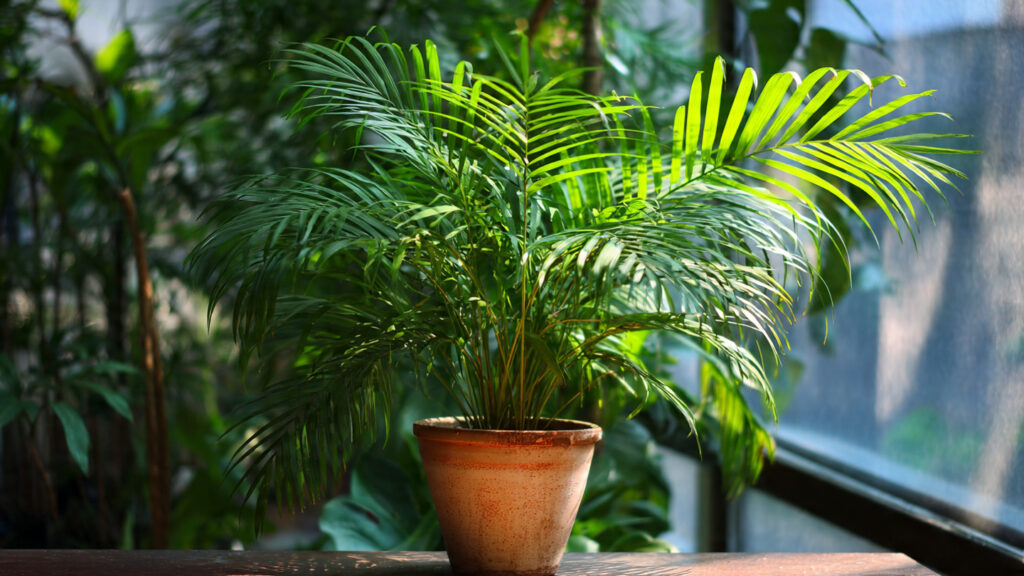
The Areca Palm is one of the most popular indoor plants for homes and offices. With its graceful, feathery fronds and air-purifying qualities, it adds a tropical touch to any space. However, many plant lovers struggle with one common issue: brown tips on the leaves. While this problem can be frustrating, it is usually a sign that the plant’s basic needs are not being fully met.
The Areca palm, also known as the butterfly palm or golden cane palm, thrives when provided with the right balance of light, water, humidity, and nutrients. By understanding its natural preferences and adjusting your care routine, you can promote lush, healthy growth while preventing unsightly brown leaf tips.
This comprehensive guide will walk you through effective and practical techniques to keep your Areca Palm vibrant and thriving.
Understanding Why Brown Tips Appear
Before solving the problem, it’s important to understand what causes brown tips in the first place. The most common reasons include:
- Low humidity
- Overwatering or underwatering
- Poor water quality (excess salts or chlorine)
- Nutrient deficiencies
- Excess fertilizer
- Inconsistent temperature
Brown tips are often a stress response. The plant is signaling that something in its environment needs adjustment.
1. Provide the Right Amount of Light
Areca Palms prefer bright, indirect sunlight. While they tolerate moderate light, insufficient lighting can weaken the plant and slow its growth.
Ideal Light Conditions:
- Place near a bright window with filtered light.
- Avoid direct harsh sunlight, which can scorch leaves.
- Rotate the plant every few weeks for even growth.
If grown in low light for extended periods, the palm may develop weak stems and dull foliage, increasing susceptibility to tip browning.
2. Maintain Proper Watering Practices
Watering mistakes are the leading cause of brown tips.
Avoid Overwatering
Areca Palms dislike soggy soil. Overwatering can suffocate roots and lead to root rot.
- Allow the top 1–2 inches of soil to dry before watering.
- Use pots with proper drainage holes.
- Empty saucers after watering.
Prevent Underwatering
On the other hand, dry soil for extended periods can cause leaf tips to brown and crisp.
- Maintain consistent moisture.
- Water thoroughly until excess drains out.
- Adjust watering frequency based on season (less in winter, more in summer).
Consistency is key to maintaining healthy foliage.
3. Increase Humidity Levels
Areca Palms originate from tropical regions, meaning they thrive in high humidity environments. Indoor air, especially with air conditioning or heating, is often too dry.
Effective Humidity-Boosting Methods:
- Mist the leaves lightly once or twice a week.
- Use a humidity tray filled with water and pebbles.
- Place a room humidifier nearby.
- Group plants together to create a microclimate.
Maintaining humidity levels around 50–60% significantly reduces the risk of brown tips.
4. Use High-Quality Water
Tap water often contains chlorine, fluoride, and mineral salts. Over time, salt buildup can cause leaf tip burn.
Solutions:
- Use filtered or distilled water.
- Allow tap water to sit overnight before use.
- Flush the soil every few months to remove salt buildup.
If you notice white crust forming on the soil surface, it may indicate mineral accumulation.
➡️ How to Grow Malabar Spinach from Cuttings for Fast, Easy Greens
➡️ How to Grow Super Delicious Cabbage at Home Without a Garden
➡️ How to Grow Bean Sprouts at Home in Plastic Bottles Easily (Step‑by‑Step Guide)
➡️ Why is Your Lemon Tree Blooming in the Heart of Winter?
➡️ Why Should Your Garden Have a Dedicated Pollinator Highway?
➡️ Why Do Your Fruit Trees Need a Winter Wash to Thrive in Spring?
➡️ How Can Rice Water Transform Your Fruits into Sweeter Delights?
➡️ Jumpstart Your Winter Garden: Seed Starting Under Lights
5. Choose the Right Soil Mix
Proper soil drainage supports healthy roots and prevents stress.
Ideal Soil Characteristics:
- Well-draining potting mix
- Rich in organic matter
- Slightly acidic to neutral pH
You can improve drainage by mixing regular potting soil with perlite or sand. Compacted soil restricts oxygen flow to roots, contributing to unhealthy foliage.
6. Fertilize Wisely
Areca Palms benefit from balanced nutrition, but over-fertilizing is a common mistake.
Fertilizer Guidelines:
- Use a balanced liquid fertilizer diluted to half strength.
- Feed once a month during the growing season (spring and summer).
- Avoid fertilizing in winter.
Excess fertilizer salts can accumulate in soil and burn leaf tips. When in doubt, fertilize less rather than more.
7. Repot When Necessary
If your palm becomes root-bound, it may struggle to absorb nutrients and water properly.
Signs It Needs Repotting:
- Roots growing out of drainage holes.
- Water draining too quickly.
- Stunted growth.
Repot every 2–3 years using fresh soil and a slightly larger container. Avoid choosing a pot that is too large, as excess soil can retain unnecessary moisture.
8. Maintain Stable Temperature
Areca Palms prefer warm, stable temperatures.
Ideal Range:
- 18°C to 24°C (65°F to 75°F)
Avoid placing the plant near:
- Air conditioners
- Heaters
- Drafty windows
- Ceiling fans
Sudden temperature fluctuations can stress the plant, leading to browning tips.
9. Prune Properly
Pruning helps maintain a neat appearance and encourages new growth.
How to Trim Brown Tips:
- Use clean, sharp scissors.
- Trim only the brown portion, preserving green tissue.
- Avoid cutting too deep into healthy areas.
Never remove fully green fronds unnecessarily, as they are vital for photosynthesis.
10. Monitor for Pests
Although relatively hardy, Areca Palms can attract pests such as:
- Spider mites
- Mealybugs
- Scale insects
Regularly inspect leaves, especially undersides. If pests are present:
- Wipe leaves with a damp cloth.
- Use insecticidal soap or neem oil if needed.
Healthy plants are more resistant to infestations.
11. Encourage Air Circulation
Good airflow prevents fungal problems and supports overall plant health.
- Avoid overcrowding with other plants.
- Keep the room well-ventilated.
- Gently wipe leaves occasionally to remove dust.
Dust accumulation can block sunlight absorption and weaken growth.
12. Seasonal Care Adjustments
Your Areca Palm’s needs change with the seasons.
Summer:
- Increase watering frequency.
- Maintain higher humidity.
- Fertilize regularly.
Winter:
- Reduce watering.
- Avoid fertilizing.
- Protect from cold drafts.
Seasonal adjustments prevent stress and maintain balanced growth.
Long-Term Growth Promotion Tips
To keep your Areca Palm lush and vibrant for years:
- Rotate the pot for even light exposure.
- Flush soil occasionally to remove salts.
- Keep humidity consistent.
- Feed moderately during active growth.
- Monitor for early signs of stress.
Healthy palms produce vibrant green fronds and steady new shoots from the base.
When Brown Tips Are Normal
It’s important to note that occasional minor browning is natural. Older leaves may develop slight discoloration as part of the aging process. If only the tips are affected and the rest of the plant looks healthy, it may not indicate a serious problem.
Focus on overall plant vitality rather than striving for absolute perfection.
Final Thoughts
Promoting healthier growth in your Areca Palm while preventing brown tips requires balance and consistency. By providing bright indirect light, proper watering, adequate humidity, good-quality water, and careful fertilization, you create the ideal environment for this tropical beauty to flourish.
The key is observing your plant closely and responding to its signals. Brown tips are often an early warning sign that adjustments are needed. With attentive care and simple techniques, you can enjoy a lush, green, thriving Areca Palm that enhances your indoor space for many years.