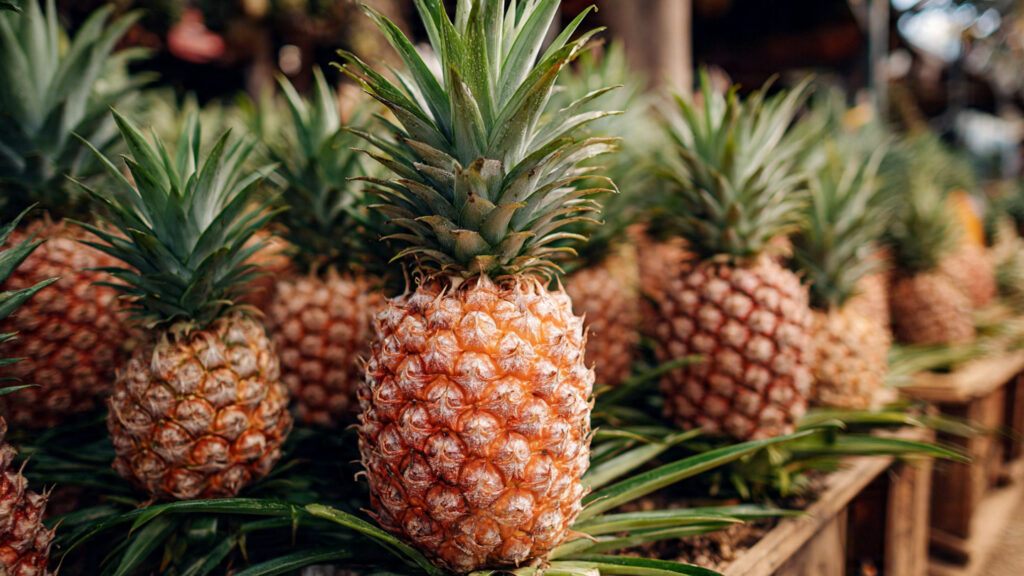
Pineapples (Ananas comosus) are not only delicious and refreshing but also surprisingly easy to grow at home, even in small spaces. With their tropical appearance, spiky leaves, and sweet fruit, they make an excellent addition to container gardens, balconies, or sunrooms. Unlike many fruiting plants, pineapples thrive in pots, making them ideal for gardeners who lack traditional garden beds or want to bring a tropical touch indoors.
While pineapple plants are hardy and low-maintenance, growing them successfully in containers requires some planning, proper care, and patience. From choosing the right container and soil to providing optimal light, water, and nutrients, this comprehensive guide covers everything you need to cultivate pineapples at home.
Understanding Pineapple Growth
Pineapples are tropical perennials that grow slowly, producing a rosette of spiny, sword-like leaves. The plant develops a central stem that eventually produces a single fruit at its apex. While it may take 18–24 months for a pineapple to mature and bear fruit, the process is rewarding and provides both decorative value and homegrown fruit.
Pineapple plants are self-sufficient in terms of reproduction. They can be propagated from:
- Tops of store-bought pineapples
- Crowns from existing plants
- Suckers and slips
Understanding these growth habits helps gardeners choose the best planting method for container cultivation.
Choosing the Right Pineapple Variety
For container gardening, select compact varieties that are easier to manage indoors:
- Smooth Cayenne: Produces large, sweet fruits and is widely available. Suitable for larger containers.
- Queen Pineapple: Smaller fruits, ideal for limited indoor space.
- Red Spanish: Compact and decorative, with red-tinged leaves.
The variety you choose affects not only fruit size but also growth habit, making it easier to plan container placement.
Selecting the Best Container
The container plays a crucial role in the health and productivity of your pineapple plant:
- Size: Start with a pot at least 12–14 inches in diameter for young plants. Mature plants may need a 16–20 inch pot for optimal growth.
- Material: Lightweight pots such as plastic or fiberglass are easy to move, while ceramic or terracotta provides stability but can dry soil faster.
- Drainage: Ensure multiple drainage holes. Pineapples do not tolerate waterlogged soil.
Proper container choice ensures root health and prevents overwatering issues.
Soil Requirements
Pineapples thrive in well-draining, slightly acidic soil:
- Potting Mix: Combine equal parts of cactus or succulent mix with perlite and organic compost for aeration and nutrient content.
- pH: Maintain a soil pH between 4.5 and 6.5 for optimal nutrient uptake.
- Avoid Heavy Garden Soil: Dense soils retain too much water, leading to root rot.
Refreshing the soil every 1–2 years or repotting into a slightly larger container promotes healthy growth.
Planting Pineapples
Starting a pineapple plant from a fresh fruit crown is simple:
- Prepare the Crown: Twist or cut off the leafy top of a ripe pineapple. Remove any remaining fruit flesh and lower leaves to expose the base.
- Callus Formation: Allow the crown to dry for 2–3 days to prevent rot.
- Planting: Place the crown in moist, well-draining soil in a container. Ensure the base is just above soil level.
- Initial Watering: Lightly water the soil to keep it moist but not soggy.
Alternatively, you can start from slips or suckers for faster fruit production, as they are already part of a mature plant.
Light Requirements
Pineapples are sun-loving tropical plants:
- Bright Light: Place the container where the plant receives at least 6–8 hours of sunlight daily. South-facing windows or sunrooms are ideal.
- Supplemental Light: In low-light areas, use grow lights for 12–14 hours daily to encourage strong growth and flowering.
- Avoid Shade: Insufficient light leads to slow growth, weak leaves, and delayed fruiting.
Proper light exposure is essential for healthy foliage and timely fruit development.
➡️ How to Grow Malabar Spinach from Cuttings for Fast, Easy Greens
➡️ How to Grow Super Delicious Cabbage at Home Without a Garden
➡️ How to Grow Bean Sprouts at Home in Plastic Bottles Easily (Step‑by‑Step Guide)
➡️ Why is Your Lemon Tree Blooming in the Heart of Winter?
➡️ Why Should Your Garden Have a Dedicated Pollinator Highway?
➡️ Why Do Your Fruit Trees Need a Winter Wash to Thrive in Spring?
➡️ How Can Rice Water Transform Your Fruits into Sweeter Delights?
➡️ Jumpstart Your Winter Garden: Seed Starting Under Lights
Watering Pineapples
Pineapples are drought-tolerant but need consistent moisture for container growth:
- Frequency: Water moderately, allowing the soil surface to dry slightly between watering. Avoid constantly soggy soil.
- Technique: Water at the base of the plant, avoiding the central rosette, to prevent rot.
- Humidity: Average indoor humidity is sufficient; tropical misting is optional but not essential.
Overwatering is the leading cause of container-grown pineapple failure, so maintain a balance.
Fertilizing Container Pineapples
Regular fertilization promotes strong growth, lush leaves, and fruit production:
- Type: Use a balanced fertilizer high in nitrogen, phosphorus, and potassium. Fertilizers labeled for bromeliads or tropical plants work well.
- Frequency: Feed monthly during the growing season, reducing frequency in winter.
- Micronutrients: Include magnesium and iron to prevent yellowing leaves.
Slow-release fertilizers or liquid feeds can be applied to keep nutrients available throughout the season.
Temperature and Seasonal Care
Pineapples are tropical plants and thrive in warm conditions:
- Optimal Temperature: 65–85°F (18–29°C) during the day and slightly cooler at night.
- Cold Protection: Move the plant indoors during winter if temperatures drop below 60°F (15°C).
- Air Circulation: Good airflow prevents fungal diseases and supports healthy foliage.
Maintaining a stable environment ensures steady growth and reduces stress on the plant.
Encouraging Flowering and Fruiting
Pineapples naturally take 18–24 months to fruit, but certain steps can promote flowering:
- Ethylene Gas Exposure: Place the plant near ripe bananas for a few days; the ethylene gas helps stimulate flowering.
- Consistent Care: Adequate light, water, and fertilizer improve the plant’s overall health, making flowering more likely.
- Patience: Flowering cannot be rushed—container-grown pineapples require time and stable conditions to produce fruit.
Once the flower emerges, a single fruit will develop at the apex of the plant.
Pruning and Maintenance
Minimal pruning is needed, but proper maintenance improves plant health:
- Remove Dead Leaves: Trim brown or damaged leaves at the base.
- Control Suckers: Remove excess suckers to focus energy on the main plant. Keep one or two for future propagation.
- Check for Pests: Inspect leaves regularly for mealybugs or scale insects and treat early.
These simple steps keep your plant healthy and encourage strong fruit development.
Harvesting Pineapples
Harvesting container-grown pineapples requires observation and timing:
- Ripeness Indicators: Fruit is ready when it turns golden yellow, emits a sweet fragrance, and feels slightly soft at the base.
- Cutting Technique: Use a sharp knife to cut the fruit from the central stalk carefully. Avoid pulling, which can damage the plant.
- Post-Harvest Care: Continue caring for the plant; it may produce suckers or slips that can be propagated for new plants.
Patience is rewarded with sweet, homegrown fruit that surpasses store-bought quality in flavor and freshness.
Common Problems and Solutions
While pineapples are resilient, container gardeners may face challenges:
- Yellowing Leaves: Usually caused by overwatering, poor drainage, or nutrient deficiency. Adjust watering and apply fertilizer.
- Slow Growth: Often due to insufficient light or poor soil. Provide more sunlight and well-draining soil.
- Rotting Crown: Prevented by allowing crowns to dry before planting and avoiding water in the central rosette.
- Pests: Mealybugs, scale insects, and mites can be controlled with neem oil or insecticidal soap.
Regular observation and preventive care ensure successful container cultivation.
Decorative Uses of Container Pineapples
Container pineapples are not only productive but also decorative:
- Indoor Statement Plants: Their tropical leaves and upright form add visual interest to rooms.
- Balcony Gardens: Combine with succulents or other tropical plants for a mini tropical oasis.
- Table Centerpieces: A fruiting pineapple in a decorative pot serves as a natural conversation piece.
- Propagation Opportunities: Suckers from mature plants can create multiple decorative containers or gift plants.
Their dual function as both ornamental and edible plants makes pineapples versatile in modern home gardening.
Conclusion
Growing pineapples in containers at home is a rewarding endeavor that combines tropical beauty with delicious fruit. By selecting the right variety, using a well-draining container, providing sufficient sunlight, maintaining moderate watering, and fertilizing appropriately, even beginner gardeners can cultivate healthy, productive pineapple plants.
While patience is required, particularly for flowering and fruiting, the process offers unique satisfaction. Each plant not only enhances your home’s aesthetic appeal but also provides sweet, fresh pineapples straight from your container garden. With careful attention to light, water, soil, and temperature, you can enjoy a thriving tropical garden on your balcony, patio, or sunroom, turning even small spaces into a fruitful paradise.