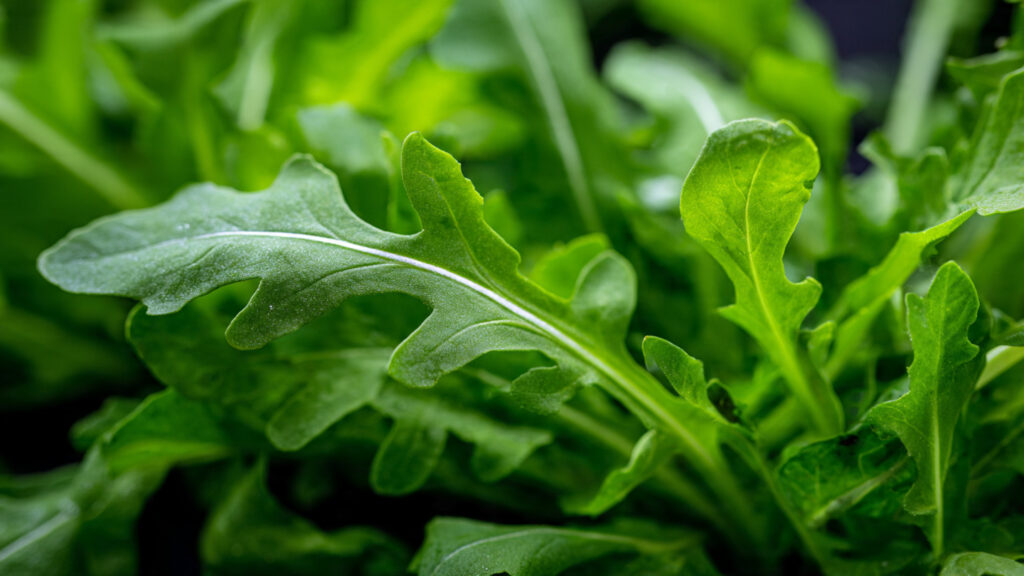
Rocket arugula (Eruca sativa), also known as salad rocket or rucola, is a fast-growing, nutrient-rich leafy green that adds a peppery kick to salads, sandwiches, and gourmet dishes. Known for its distinctive flavor and health benefits, including high levels of vitamins A, C, and K, as well as antioxidants, rocket arugula is increasingly popular among home gardeners. Its ease of growth, adaptability, and rapid harvest make it an ideal plant for beginners, container gardeners, and even urban dwellers. This ultimate guide will walk you through everything you need to know to grow rocket arugula successfully at home, from seed selection to harvesting and care.
Why Grow Rocket Arugula at Home?
Growing rocket arugula at home comes with several advantages:
- Fresh Flavor: Store-bought arugula often lacks freshness; homegrown leaves are more vibrant and flavorful.
- Continuous Harvest: Quick-growing varieties allow multiple harvests in a single season.
- Easy Maintenance: Rocket arugula thrives with minimal care and is forgiving to beginners.
- Nutritional Benefits: Rich in vitamins, minerals, and antioxidants, making it a healthy addition to your diet.
- Space-Efficient: Perfect for containers, small garden beds, or indoor windowsills.
For anyone new to gardening, arugula is an excellent starting point because it grows fast, produces abundant leaves, and provides near-instant gratification.
Step 1: Choosing the Right Rocket Arugula Variety
Selecting the right variety is key to successful home cultivation:
- Classic Arugula: Traditional, fast-growing leaves with a strong, peppery flavor.
- Baby Leaf Arugula: Smaller, tender leaves ideal for salads and microgreens.
- Slow-Bolting Varieties: These stay productive longer, especially in warmer conditions.
Choosing a variety suited to your taste preferences and local growing conditions ensures the best results.
Step 2: Selecting a Growing Location
Rocket arugula grows best in cool, sunny locations. Consider the following when choosing a spot:
- Sunlight: Requires 4–6 hours of direct sunlight daily. Partial shade is acceptable in hot climates to prevent bolting.
- Soil Drainage: Well-draining soil is essential to prevent root rot.
- Airflow: Good circulation helps reduce fungal problems and keeps leaves healthy.
If outdoor space is limited, arugula thrives in containers, window boxes, or even hydroponic systems indoors.
Step 3: Preparing the Soil
Rocket arugula is not particularly fussy but flourishes in fertile, well-draining soil:
- Soil Mix: Combine garden soil with compost for nutrients. For containers, a high-quality potting mix with added perlite works well.
- pH Level: Slightly acidic to neutral soil (pH 6.0–7.0) promotes optimal growth.
- Moisture Retention: While arugula prefers consistent moisture, avoid soggy soil.
Good soil preparation ensures strong root development and leafy growth.
Step 4: Sowing Seeds
Arugula seeds are tiny and easy to sow:
- Timing: Sow seeds in early spring or fall for outdoor gardens. For indoor planting, you can sow year-round.
- Direct Sowing: Scatter seeds evenly over prepared soil, about ¼ inch deep.
- Container Sowing: Sow seeds lightly in rows or scatter in small pots or trays.
- Spacing: Thin seedlings to 4–6 inches apart once they have a couple of true leaves.
Arugula seeds typically germinate in 5–10 days under optimal conditions. Keep the soil consistently moist during this period.
Step 5: Watering and Moisture Management
Consistent moisture is critical for tender leaves:
- Frequency: Water lightly every day or every other day, depending on temperature and container size.
- Method: Use a spray bottle or gentle watering can to avoid washing away seeds.
- Soil Moisture: Soil should feel damp but not waterlogged. Overwatering can cause root rot and slow growth.
Maintaining even moisture prevents bitterness and promotes lush, tender leaves.
Step 6: Fertilization for Healthy Growth
While rocket arugula can grow in average soil, light fertilization supports continuous leaf production:
- Balanced Fertilizer: Use a nitrogen-rich liquid fertilizer every 2–3 weeks to encourage leafy growth.
- Organic Options: Compost tea or diluted fish emulsion works well for organic gardening.
- Avoid Over-Fertilization: Excess nutrients can cause overly rapid growth, making leaves bitter.
Regular feeding ensures strong, healthy plants that produce multiple harvests.
➡️ How to Grow Malabar Spinach from Cuttings for Fast, Easy Greens
➡️ How to Grow Super Delicious Cabbage at Home Without a Garden
➡️ How to Grow Bean Sprouts at Home in Plastic Bottles Easily (Step‑by‑Step Guide)
➡️ Why is Your Lemon Tree Blooming in the Heart of Winter?
➡️ Why Should Your Garden Have a Dedicated Pollinator Highway?
➡️ Why Do Your Fruit Trees Need a Winter Wash to Thrive in Spring?
➡️ How Can Rice Water Transform Your Fruits into Sweeter Delights?
➡️ Jumpstart Your Winter Garden: Seed Starting Under Lights
Step 7: Thinning Seedlings
Once seedlings have developed 2–3 true leaves, thinning is important:
- Spacing: Thin plants to about 4–6 inches apart.
- Method: Snip excess seedlings at the soil level with scissors to avoid disturbing remaining plants.
Thinning allows each plant to access sufficient nutrients, light, and space, promoting robust growth.
Step 8: Harvesting Rocket Arugula
Arugula is ideal for cut-and-come-again harvesting, which provides continuous supply:
- Harvest outer leaves when they are 3–4 inches long.
- Leave the inner leaves and growing point intact to continue producing.
- Use scissors or a sharp knife for clean cuts, minimizing stress on the plant.
- Avoid removing more than one-third of the plant at a time.
With proper care, arugula can provide multiple harvests over several weeks.
Step 9: Managing Bolting and Heat Stress
Rocket arugula is a cool-season crop and can bolt (flower and go to seed) quickly in hot weather:
- Cool Temperatures: Ideal growing temperatures are 45–70°F (7–21°C).
- Partial Shade: Protect plants from extreme heat by providing afternoon shade.
- Consistent Watering: Prevent stress-induced bolting by keeping soil evenly moist.
Slowing bolting ensures tender, flavorful leaves for a longer period.
Step 10: Container Gardening Tips
Arugula grows exceptionally well in containers, making it perfect for urban gardening:
- Container Size: Use shallow containers 6–8 inches deep with drainage holes.
- Soil: Lightweight, well-draining potting mix with compost works best.
- Placement: Ensure containers receive adequate sunlight, ideally near a south-facing window or balcony.
- Succession Planting: Sow new seeds every 2–3 weeks for continuous harvest.
Container gardening allows flexibility and ensures fresh greens even without a traditional garden plot.
Step 11: Pests and Disease Management
While arugula is generally low-maintenance, some pests and diseases may appear:
- Aphids: Spray with insecticidal soap or remove manually.
- Flea Beetles: Use row covers or fine netting to protect seedlings.
- Fungal Diseases: Avoid overcrowding and water at the base to prevent leaf spot and mildew.
Proactive monitoring and simple preventive measures keep plants healthy and productive.
Step 12: Creative Uses for Homegrown Arugula
Rocket arugula is versatile and enhances home cooking:
- Salads: Mix with lettuce, spinach, or microgreens for a peppery flavor.
- Sandwiches and Wraps: Adds a zesty punch to wraps, sandwiches, and burgers.
- Pesto: Blend arugula with nuts, garlic, olive oil, and Parmesan for a unique pesto.
- Garnishes: Fresh leaves make a vibrant garnish for soups, pasta, or pizza.
Growing arugula at home ensures a constant supply of fresh, flavorful leaves for diverse culinary uses.
Conclusion
Rocket arugula is an ideal plant for beginners due to its fast growth, minimal maintenance, and abundant harvests. By choosing the right variety, preparing fertile soil, providing adequate light and water, and practicing cut-and-come-again harvesting, you can enjoy fresh, peppery leaves throughout the growing season.
Indoor and container gardening make arugula accessible to gardeners with limited space, while succession planting guarantees a continuous supply. By managing temperature, preventing bolting, and monitoring for pests, even first-time gardeners can achieve a vibrant, productive arugula crop.
Growing rocket arugula at home not only provides delicious, nutrient-rich greens but also offers a rewarding introduction to gardening. With this ultimate guide, beginners can confidently start their arugula journey, enjoying the satisfaction of cultivating fresh, flavorful greens right at home.