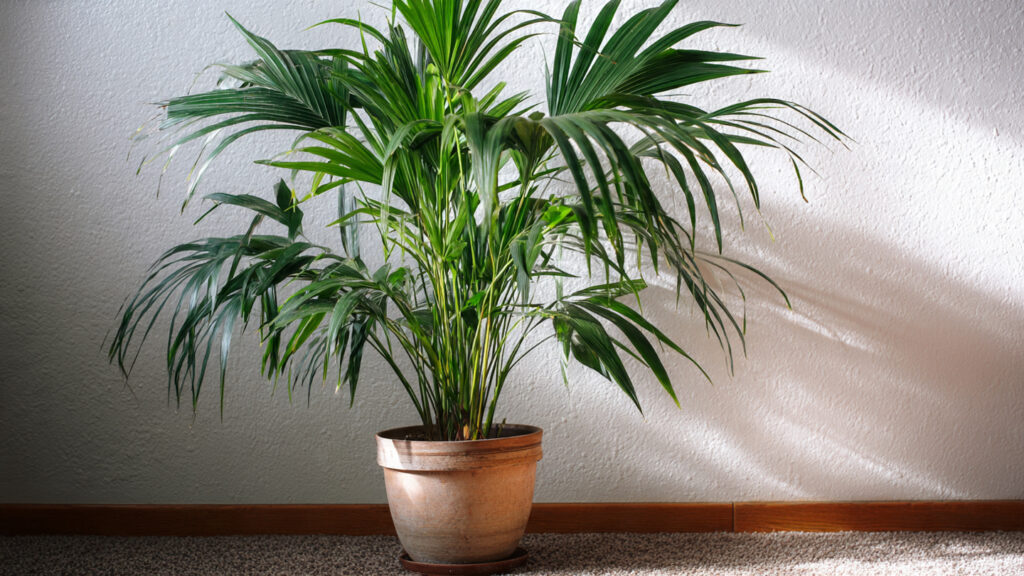
The Kentia Palm (Howea forsteriana) is one of the most elegant and beginner-friendly indoor palms available. Known for its graceful, arching fronds and slow, steady growth, the Kentia Palm brings a touch of tropical sophistication to homes, offices, and indoor spaces of any size. Unlike many palms that require bright sunlight and expert care, the Kentia Palm thrives in moderate light and tolerates a range of indoor conditions, making it ideal for beginners.
Beyond its aesthetic appeal, the Kentia Palm is also a natural air purifier, improving indoor air quality by removing toxins such as formaldehyde, benzene, and carbon monoxide. Whether you want a statement plant for your living room or a low-maintenance greenery solution for your office, the Kentia Palm is an excellent choice. This simple guide will walk beginners through everything they need to know to successfully grow and maintain a healthy Kentia Palm indoors.
Understanding the Kentia Palm
Native to Lord Howe Island, Australia, the Kentia Palm grows in subtropical forests and thrives in shaded, well-drained areas. Indoors, it maintains its beauty at a smaller scale, usually growing to 6–10 feet over many years. Its key features include:
- Long, arching fronds: Each frond can reach up to 6–8 feet in length, creating a lush, tropical look.
- Slow growth: The slow-growing nature makes it easy to maintain indoors.
- Low light tolerance: Thrives in bright indirect light, filtered light, or even partially shaded areas.
- Air-purifying qualities: Improves indoor air quality while adding greenery.
Understanding its natural growth conditions helps beginners replicate the ideal environment indoors.
Choosing the Right Kentia Palm
When selecting a Kentia Palm for indoor cultivation, consider:
- Size: Small starter plants (2–3 feet) are ideal for beginners and easier to acclimate to indoor conditions.
- Potting Status: Look for palms already potted in well-draining soil to reduce transplant stress.
- Health Indicators: Choose plants with vibrant green fronds, no brown tips, and no signs of pests or disease.
Selecting a healthy, adaptable plant sets the foundation for long-term success.
Choosing the Right Container
Container choice plays a critical role in indoor palm care:
- Size: Begin with a pot slightly larger than the root ball. Overly large containers can retain too much water, causing root rot.
- Material: Lightweight plastic or resin pots are easy to move. Terracotta provides stability but dries soil faster.
- Drainage: Ensure multiple drainage holes; Kentia Palms are sensitive to waterlogged soil.
A well-chosen container supports proper root development and keeps the plant stable as it grows.
Soil Requirements
Kentia Palms prefer well-draining, nutrient-rich soil:
- Potting Mix: Use a mix of peat, sand, and perlite or a commercial palm potting mix.
- pH: Slightly acidic to neutral (pH 6.0–7.0) is ideal.
- Avoid Garden Soil: Dense garden soil retains water and can suffocate roots indoors.
Refreshing soil during repotting every 2–3 years ensures nutrients remain available and prevents soil compaction.
Light Requirements
Kentia Palms are tolerant of lower light levels, making them excellent indoor plants:
- Indirect Light: Place near east- or north-facing windows where light is filtered.
- Bright Indirect Light: While they can tolerate low light, bright indirect light encourages fuller growth.
- Avoid Direct Sunlight: Direct sunlight can scorch leaves and create brown tips.
Even rooms with moderate natural light can support healthy Kentia Palms with occasional rotation for even growth.
Watering Kentia Palms
Proper watering is essential for indoor health:
- Moderate Watering: Water when the top 2 inches of soil feel dry. Overwatering can cause root rot.
- Watering Technique: Water evenly at the base of the plant, allowing excess water to drain from the pot.
- Humidity: Average indoor humidity is sufficient, but misting occasionally helps in dry environments.
Consistency in watering prevents both stress from drought and damage from overwatering.
Fertilizing Kentia Palms
While slow-growing, Kentia Palms benefit from regular fertilization:
➡️ How to Grow Malabar Spinach from Cuttings for Fast, Easy Greens
➡️ How to Grow Super Delicious Cabbage at Home Without a Garden
➡️ How to Grow Bean Sprouts at Home in Plastic Bottles Easily (Step‑by‑Step Guide)
➡️ Why is Your Lemon Tree Blooming in the Heart of Winter?
➡️ Why Should Your Garden Have a Dedicated Pollinator Highway?
➡️ Why Do Your Fruit Trees Need a Winter Wash to Thrive in Spring?
➡️ How Can Rice Water Transform Your Fruits into Sweeter Delights?
➡️ Jumpstart Your Winter Garden: Seed Starting Under Lights
- Type: Use a balanced palm fertilizer or a water-soluble fertilizer (10-10-10 NPK) with micronutrients like magnesium and iron.
- Frequency: Fertilize every 6–8 weeks during the growing season (spring and summer). Reduce feeding in winter.
- Avoid Over-Fertilization: Excess fertilizer can burn roots or lead to unnatural leaf growth.
Fertilization supports steady growth and keeps fronds lush and green.
Pruning and Maintenance
Kentia Palms require minimal maintenance, but occasional care ensures optimal health:
- Remove Dead Fronds: Trim yellow or brown fronds at the base. This keeps the plant neat and prevents pest infestations.
- Shape the Plant: Prune only to remove damaged leaves; avoid cutting healthy green fronds.
- Cleaning Leaves: Wipe dust off leaves with a damp cloth to maintain photosynthesis and improve indoor aesthetics.
Proper maintenance ensures your palm remains attractive and healthy over the years.
Temperature and Indoor Environment
Kentia Palms thrive in stable indoor climates:
- Optimal Temperature: 65–75°F (18–24°C) during the day; avoid temperatures below 55°F (13°C).
- Air Circulation: Moderate airflow prevents fungal growth but avoid placing near drafts from air conditioners or heaters.
- Humidity: While tolerant of average indoor humidity, slightly higher humidity improves leaf quality.
Maintaining stable conditions reduces stress and encourages healthy growth.
Pest and Disease Management
Kentia Palms are hardy but can occasionally face pests:
- Common Pests: Spider mites, scale, and mealybugs. Treat with neem oil, insecticidal soap, or by wiping leaves with alcohol.
- Fungal Issues: Root rot caused by overwatering is the most common issue. Proper soil and drainage prevent this.
- Preventive Measures: Inspect regularly for pests, maintain clean leaves, and avoid standing water in saucers.
Early detection ensures the plant remains vibrant and problem-free.
Repotting Kentia Palms
Repotting promotes healthy growth, especially for indoor beginners:
- Frequency: Every 2–3 years, or when the plant becomes root-bound.
- Technique: Choose a pot slightly larger than the current one and carefully transfer the root ball. Fill gaps with fresh potting soil.
- Post-Repotting Care: Water lightly and place in indirect light to reduce transplant shock.
Repotting encourages root expansion and prevents stunted growth.
Decorative and Practical Uses
Kentia Palms are versatile indoor plants:
- Statement Plant: Their elegant fronds make them perfect for living rooms, entryways, and offices.
- Corner Filler: Ideal for empty corners, adding height and greenery without overwhelming space.
- Air Purification: Enhances indoor air quality while adding aesthetic appeal.
- Low Maintenance: Perfect for beginners or busy indoor gardeners seeking greenery without high effort.
Kentia Palms combine beauty and practicality, making them a favorite for interior designers and homeowners alike.
Common Problems and Solutions for Beginners
Beginners may face a few challenges:
- Brown Leaf Tips: Usually caused by low humidity or over-fertilization. Adjust watering and mist leaves if necessary.
- Yellow Leaves: Indicate overwatering, poor drainage, or lack of nutrients. Check soil moisture and adjust care.
- Slow Growth: Normal for Kentia Palms indoors due to low light; supplement with indirect sunlight or grow lights if needed.
- Pests: Treat infestations promptly with organic solutions to prevent damage.
Understanding these issues helps beginners respond effectively and maintain plant health.
Conclusion
The Kentia Palm is one of the best indoor palms for beginners due to its graceful appearance, adaptability, and low maintenance requirements. With proper light, well-draining soil, moderate watering, and occasional fertilization, even first-time indoor gardeners can cultivate a healthy, elegant Kentia Palm.
Regular pruning, dusting leaves, and monitoring for pests ensures the plant remains visually appealing and vibrant. Its slow growth, tolerance for low to medium light, and air-purifying qualities make it an ideal addition to homes, offices, or any indoor space.
By following this simple guide, beginners can enjoy the beauty of a lush, tropical palm indoors, transforming any room into a serene, green oasis.