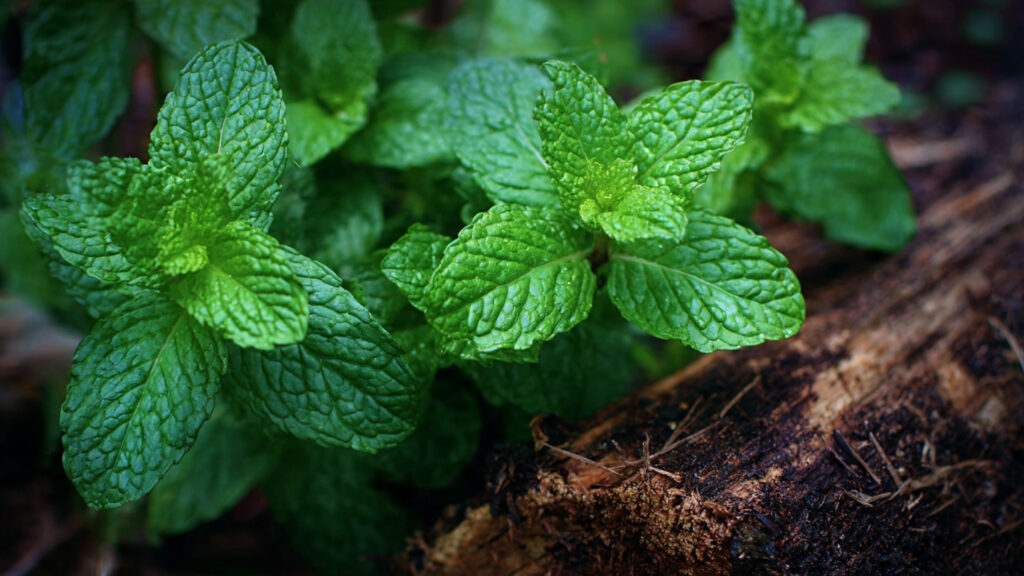
Mint (Mentha spp.) is one of the most versatile and easy-to-grow herbs, celebrated for its aromatic leaves and culinary, medicinal, and ornamental uses. Traditionally, gardeners plant mint in sunny spots to maximize growth, but did you know that mint can thrive even in shady areas? With the right strategies, mint can flourish in partial or full shade, providing fresh leaves for teas, recipes, and garden enjoyment. This guide will reveal simple secrets to growing mint successfully in shady areas while maintaining healthy, lush plants with minimal effort.
Understanding Mint and Its Adaptability
Mint is a perennial herb with a vigorous growth habit, often spreading quickly through underground rhizomes. Understanding its natural tendencies is key to growing it in shady spots:
- Species variety: Popular types include peppermint (Mentha × piperita), spearmint (Mentha spicata), chocolate mint, apple mint, and pineapple mint. Each has slightly different sunlight tolerances.
- Growth habit: Mint spreads rapidly in favorable conditions, sometimes becoming invasive if left unchecked.
- Light tolerance: While mint prefers full sun, it can tolerate partial to moderate shade, growing in the filtered light of trees, shaded patios, or garden corners.
Recognizing mint’s natural resilience helps gardeners exploit shady areas without compromising plant health.
Choosing the Right Mint Variety for Shade
Some mint varieties perform better in low-light conditions than others:
- Spearmint: Thrives in partial shade and maintains robust flavor.
- Peppermint: Can tolerate light shade, though flavor intensity may be slightly reduced.
- Apple mint: Handles dappled shade well, making it ideal for under trees or near shrubs.
- Chocolate mint: Tolerates shade and adds a unique aroma and color to garden beds.
Selecting a shade-tolerant variety is the first secret to successful mint cultivation in low-light conditions.
Selecting the Ideal Location
Even in shady areas, location matters:
- Partial shade: Areas receiving 3–5 hours of filtered sunlight per day are ideal. Morning sun is preferred, as afternoon shade protects the leaves from scorching.
- Proximity to trees: Planting near trees provides natural shade, but avoid locations where tree roots will compete excessively for nutrients and water.
- Sheltered spots: Choose spots with protection from strong winds and heavy rainfall, which can damage soft mint foliage.
A well-chosen shady location ensures steady growth while protecting mint from stress.
Preparing the Soil
Healthy soil is essential, especially in shaded areas where light may be limited:
- Soil composition: Use a loose, well-draining mix rich in organic matter. A blend of garden soil, compost, and perlite works well.
- pH preference: Mint prefers slightly acidic to neutral soil (pH 6.0–7.0). Adjust with lime or sulfur if necessary.
- Moisture retention: Shady areas retain moisture longer, so ensure good drainage to prevent waterlogging and root rot.
Rich, well-structured soil compensates for reduced photosynthesis in shade and supports healthy, vigorous growth.
Planting Mint in Shady Areas
Planting technique is crucial for shade success:
- Spacing: Space plants 12–18 inches apart to allow airflow and prevent fungal diseases.
- Depth: Plant mint at the same depth as it grew in its nursery pot. Avoid burying the crown too deep.
- Container option: In shaded gardens with limited space, consider growing mint in pots to control spread and manage soil quality.
Correct planting prevents overcrowding and ensures mint thrives even with reduced sunlight.
Watering Strategies for Shade
Shady areas retain more moisture, so watering requires careful attention:
- Frequency: Water only when the top inch of soil feels dry. Overwatering in shade can lead to root rot.
- Technique: Water at the base of the plant to avoid wetting leaves, reducing fungal risks.
- Mulching: Apply a thin layer of organic mulch (straw, leaves, or wood chips) to retain moisture without keeping soil soggy.
Balanced watering supports steady growth without encouraging disease in shaded conditions.
Fertilization Secrets
Mint grows vigorously but benefits from regular feeding in shady environments:
- Organic options: Incorporate compost, worm castings, or well-rotted manure into the soil.
- Liquid feeding: Apply diluted fish emulsion or seaweed extract every 3–4 weeks to boost leaf production.
- Slow-release fertilizers: Reduce the need for frequent feeding while providing consistent nutrition.
Proper fertilization compensates for lower light availability and supports healthy, flavorful leaves.
➡️ How to Grow Malabar Spinach from Cuttings for Fast, Easy Greens
➡️ How to Grow Super Delicious Cabbage at Home Without a Garden
➡️ How to Grow Bean Sprouts at Home in Plastic Bottles Easily (Step‑by‑Step Guide)
➡️ Why is Your Lemon Tree Blooming in the Heart of Winter?
➡️ Why Should Your Garden Have a Dedicated Pollinator Highway?
➡️ Why Do Your Fruit Trees Need a Winter Wash to Thrive in Spring?
➡️ How Can Rice Water Transform Your Fruits into Sweeter Delights?
➡️ Jumpstart Your Winter Garden: Seed Starting Under Lights
Managing Light Challenges
In low-light conditions, mint may become leggy or pale. Combat this with simple strategies:
- Reflective surfaces: Place light-colored stones or garden ornaments nearby to bounce sunlight onto the plant.
- Vertical growth support: Use small trellises or stakes to guide vertical growth if mint stretches toward light.
- Pruning: Regularly pinch or trim stems to encourage bushier growth and prevent lanky, weak plants.
By managing light effectively, even shaded mint can maintain dense, vibrant foliage.
Controlling Pests and Diseases
Shaded gardens are slightly more prone to fungal issues due to retained moisture:
- Common pests: Aphids, spider mites, and whiteflies may appear. Hand-pick pests or use neem oil sprays.
- Fungal problems: Powdery mildew and leaf spots are common in damp shade. Ensure good airflow, avoid overhead watering, and remove affected leaves.
- Monitoring: Regular inspection prevents small issues from escalating.
Proactive pest and disease management keeps shade-grown mint healthy with minimal effort.
Harvesting for Maximum Flavor
Proper harvesting encourages continuous growth and stronger flavors:
- Timing: Harvest leaves in the morning when oils are most concentrated.
- Technique: Snip stems rather than plucking individual leaves to reduce stress. Leave at least 50% of foliage intact to maintain photosynthesis.
- Frequent harvesting: Regularly trimming mint encourages new growth and bushier plants, which is particularly important in shaded conditions.
Consistent harvesting not only provides fresh leaves but also helps the plant thrive in low-light areas.
Secret Techniques for Shade Success
To grow mint effortlessly in shady areas, consider these additional secrets:
- Container gardening: Controls soil quality and spread while allowing repositioning for optimal light.
- Companion planting: Pair mint with taller shade-tolerant plants that don’t compete aggressively for nutrients.
- Raised beds: Improve drainage and soil structure in low-light, moisture-prone areas.
- Layered planting: Position mint at the front of shaded beds where it can receive filtered sunlight while larger shrubs provide dappled shade.
These techniques make mint a low-maintenance, high-yield herb even in challenging environments.
Benefits of Growing Mint in Shade
Growing mint in shady areas offers several advantages:
- Reduced sun stress: Plants are less likely to wilt or scorch in hot summer afternoons.
- Lower water requirements: Shade slows evaporation, conserving moisture.
- Space utilization: Shady corners, under trees, or near fences become productive herb gardens.
- Continuous harvest: Healthy, bushy plants provide a consistent supply of leaves for culinary and medicinal use.
Mint proves that even less-than-ideal garden spots can be transformed into productive, fragrant spaces.
Conclusion
Growing mint in shady areas is simpler than many gardeners realize. By selecting shade-tolerant varieties, preparing rich and well-draining soil, managing water carefully, and pruning regularly, you can cultivate healthy, flavorful mint with minimal effort. Additional strategies like container planting, reflective surfaces, and companion planting help overcome the challenges of low-light conditions.
Whether you have a shaded backyard, a north-facing garden, or underutilized garden corners, mint can thrive, providing aromatic leaves, culinary delights, and lush greenery. With these simple secrets, you can enjoy a thriving mint garden in the shade, maximizing both your space and your harvest while keeping maintenance low.