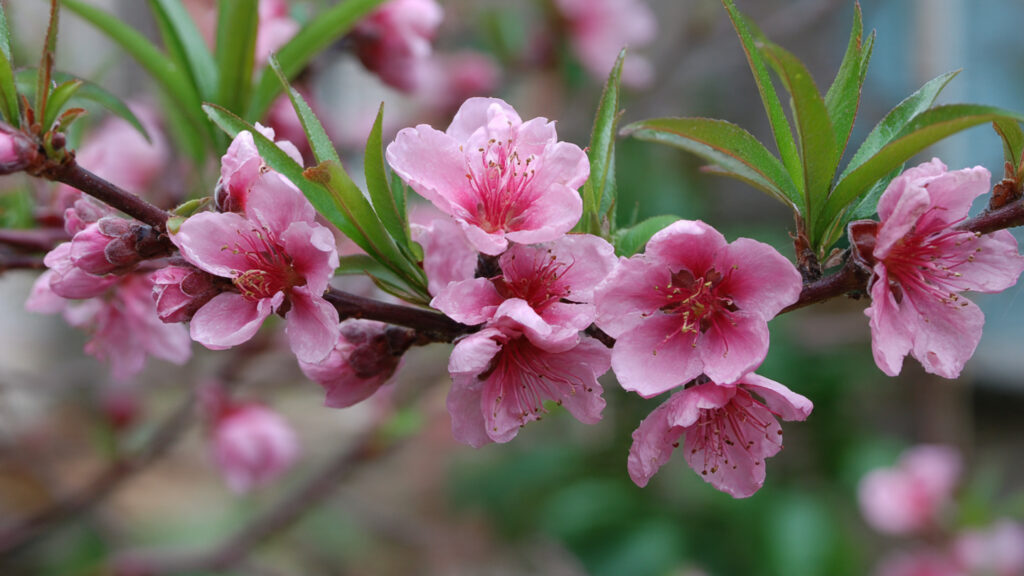
Peach trees (Prunus persica) are beloved for their sweet, juicy fruit and ornamental beauty. Traditionally associated with warm, long-summer regions, many gardeners believe that peaches are impossible to grow in climates with short summers. However, with careful variety selection, strategic planting, and proper care, you can successfully cultivate peach trees even in areas with brief growing seasons. This guide outlines effective techniques for growing peach trees in short summer climates, from selecting the right varieties to maximizing fruit production and tree health.
Understanding the Challenges of Short Summer Climates
Growing peaches in a short summer climate presents unique challenges:
- Limited Growing Season: Many traditional peach varieties require 150–200 days to mature, but short summers may last only 90–120 days.
- Chill Hour Requirements: Peach trees need a certain number of cold hours during winter to break dormancy and set fruit. Short-season climates may have fewer chilling hours.
- Frost Risk: Late spring frosts can damage blossoms, reducing fruit yield.
- Temperature Fluctuations: Rapid swings in temperature can stress trees and affect fruit development.
Understanding these challenges helps gardeners make informed decisions about variety, planting, and care to ensure success.
Step 1: Choosing the Right Peach Variety
Selecting the correct variety is the most crucial factor for success in short summer climates:
- Low Chill Varieties: These require fewer chilling hours (200–400 hours) to break dormancy. Examples include ‘Avalon Pride,’ ‘Early Elberta,’ and ‘Frost.’
- Early Ripening Varieties: Trees that mature fruit in 70–90 days maximize the short growing season. Examples include ‘Early Red Haven’ and ‘Flordaking.’
- Dwarf or Semi-Dwarf Trees: Smaller trees mature more quickly and are easier to protect from frost.
Choosing varieties adapted to your climate ensures blossoms set and fruit ripens before the end of the growing season.
Step 2: Selecting a Planting Site
Peach trees thrive in sunny, well-draining locations. For short summer climates, site selection is particularly critical:
- Full Sun Exposure: Choose a location that receives 6–8 hours of direct sunlight per day. Sun promotes rapid growth and fruit ripening.
- Well-Draining Soil: Avoid heavy clay or waterlogged areas, which can cause root rot. Sandy loam or amended soils work best.
- Slope Considerations: Plant on a gentle slope to reduce frost risk, as cold air sinks to lower areas.
- Wind Protection: Provide shelter from strong winds, which can damage blossoms and young shoots.
The right site increases fruit production and helps the tree withstand climatic stresses.
Step 3: Preparing the Soil
Peach trees prefer slightly acidic to neutral soils (pH 6.0–7.0) that are fertile and well-draining:
- Soil Testing: Test your soil for pH and nutrient levels before planting.
- Amending Soil: Incorporate compost, well-rotted manure, or organic matter to improve fertility and moisture retention.
- Drainage: If drainage is poor, plant in raised beds or mounds to prevent root problems.
Healthy soil supports vigorous growth and ensures fruit develops fully in a short growing season.
Step 4: Planting Techniques
Proper planting technique sets the stage for a strong start:
- Dig a hole twice as wide and the same depth as the tree’s root ball.
- Gently loosen roots to encourage outward growth.
- Position the tree so the graft union (if grafted) is 2–3 inches above soil level.
- Backfill with soil, firm gently, and water thoroughly.
- Mulch around the base to retain moisture and regulate soil temperature.
Correct planting ensures strong root establishment and better survival in challenging climates.
Step 5: Frost Protection Strategies
Short summer climates often experience late spring frosts that can destroy blossoms:
- Row Covers or Frost Cloths: Protect blossoms during cold nights.
- Temporary Windbreaks: Erect barriers to reduce frost exposure and wind chill.
- Site Selection: Plant on higher ground to take advantage of slightly warmer microclimates.
- Watering: Moist soil retains heat better than dry soil, providing a small buffer against frost.
Preventing frost damage is critical to ensure fruit set in regions with unpredictable temperatures.
Step 6: Pruning for Maximum Sunlight and Fruit
Pruning helps peach trees mature faster and improves fruit quality, especially in short summer climates:
- Central Leader or Open Center: Both training methods promote airflow and sunlight penetration, reducing disease and encouraging rapid growth.
- Annual Pruning: Remove dead, damaged, or crowded branches each winter to focus energy on fruiting wood.
- Tip Pruning: Encourage lateral branching and faster fruit production by trimming terminal buds.
Well-pruned trees maximize sunlight exposure, which accelerates fruit ripening in a limited growing season.
➡️ How to Grow Malabar Spinach from Cuttings for Fast, Easy Greens
➡️ How to Grow Super Delicious Cabbage at Home Without a Garden
➡️ How to Grow Bean Sprouts at Home in Plastic Bottles Easily (Step‑by‑Step Guide)
➡️ Why is Your Lemon Tree Blooming in the Heart of Winter?
➡️ Why Should Your Garden Have a Dedicated Pollinator Highway?
➡️ Why Do Your Fruit Trees Need a Winter Wash to Thrive in Spring?
➡️ How Can Rice Water Transform Your Fruits into Sweeter Delights?
➡️ Jumpstart Your Winter Garden: Seed Starting Under Lights
Step 7: Watering and Moisture Management
Adequate water is essential for fruit development, especially in climates with short summers:
- Consistent Watering: Provide regular water during dry periods, aiming for deep, infrequent watering rather than shallow daily watering.
- Drip Irrigation or Soaker Hoses: Efficiently deliver moisture directly to the root zone.
- Mulching: Use organic mulch to retain soil moisture and moderate temperature fluctuations.
Proper water management prevents stress that could reduce fruit size and yield.
Step 8: Fertilization for Rapid Growth
Peach trees require sufficient nutrients to grow quickly and produce fruit in short summers:
- Balanced Fertilizer: Apply a fertilizer high in nitrogen early in the season to promote leafy growth.
- Phosphorus and Potassium: Support flowering and fruit development during the growing season.
- Soil-Based Amendments: Compost and well-rotted manure improve long-term fertility.
Fertilization supports healthy growth and ensures trees reach maturity in time to produce ripe fruit before the season ends.
Step 9: Pollination Considerations
Peach trees are generally self-pollinating, but cross-pollination can improve fruit set:
- Single Tree Success: Most varieties will set fruit on their own, ideal for small gardens.
- Multiple Trees: Planting different varieties can increase yield and improve pollination efficiency.
- Encourage Pollinators: Bees and other pollinators increase fruit set. Avoid pesticides during bloom.
Ensuring effective pollination is crucial for maximizing fruit yield in short-season areas.
Step 10: Protecting Fruit from Pests and Disease
Peach trees can face pest and disease challenges, especially when growth is rapid:
- Common Pests: Aphids, peach tree borers, and leaf curl mites.
- Preventive Measures: Prune for airflow, remove fallen debris, and inspect trees regularly.
- Organic Treatments: Neem oil, insecticidal soaps, and beneficial insects help control pests safely.
- Fungal Disease Control: Apply dormant sprays in late winter to prevent peach leaf curl.
Early monitoring and preventive care ensure fruit develops fully during a short growing season.
Step 11: Harvesting Strategies in Short Summers
To make the most of a limited season, timing your harvest is essential:
- Early Harvest Varieties: Select varieties that mature quickly, ideally in 70–90 days after bloom.
- Monitor Ripeness: Fruit should be firm but yield slightly to gentle pressure when ripe.
- Frequent Picking: Harvest ripe fruit promptly to prevent loss from pests or overripening.
- Indoor Ripening: If picked slightly early, ripen peaches indoors at room temperature.
Efficient harvesting ensures that your hard work results in sweet, fully developed fruit.
Step 12: Extending the Growing Season
Several strategies can help maximize peach production in regions with short summers:
- Container Planting: Growing in pots allows relocation to sunnier microclimates or sheltered areas.
- Row Covers: Extend the season by protecting blossoms and young fruit from cool temperatures.
- Early Bloom Varieties: Select varieties that bloom earlier in the season to take full advantage of available warmth.
- Microclimate Management: Plant near walls, fences, or structures that retain heat and shield from wind.
With careful management, even short-summer climates can support productive peach trees.
Conclusion
Growing peach trees in short summer climates is entirely possible with the right planning, variety selection, and care. By choosing low-chill, early-ripening varieties, planting in optimal locations, and using techniques such as pruning, frost protection, and proper irrigation, gardeners can enjoy fresh, homegrown peaches even in areas with limited warm months.
Attention to pollination, pest management, and efficient harvesting further ensures that your trees thrive and produce sweet, juicy fruit before the season ends. With patience, consistent care, and adherence to these effective techniques, even beginners can cultivate thriving peach trees in climates once thought too challenging.
Whether you’re planting a single tree in a backyard or managing multiple trees in containers, these strategies provide a roadmap for success, allowing gardeners to savor the reward of homegrown peaches, even in short summer climates. With careful planning and dedication, the dream of enjoying fresh, juicy peaches at home is entirely achievable.