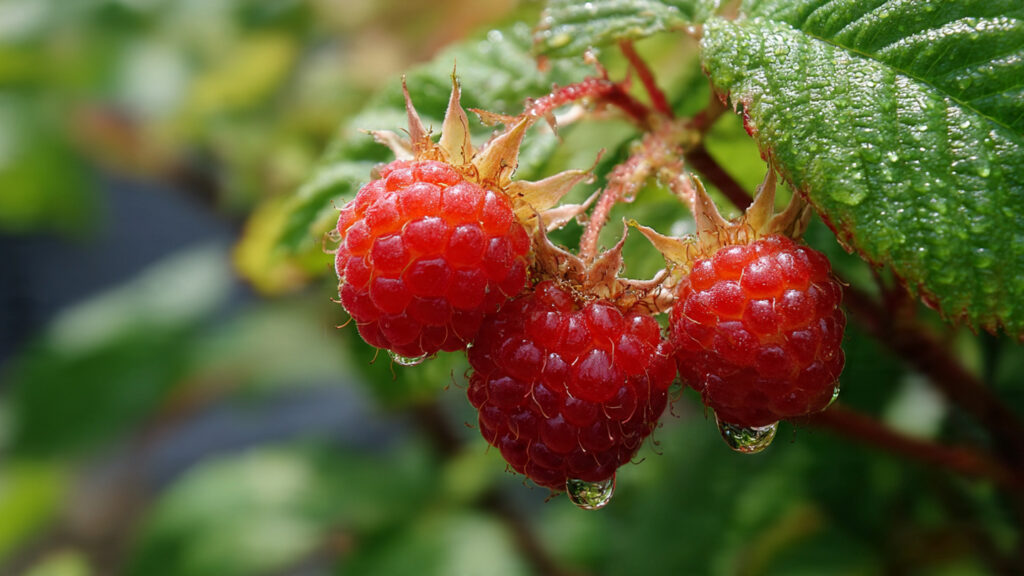
Berry plants are among the most rewarding crops for home gardeners. Their vibrant colors, delicious flavors, and nutritional benefits make them a favorite for backyard orchards, container gardens, and small-scale hobby farms. However, many gardeners face a common challenge: waiting too long for their berry plants to produce fruit. Rapid fruiting is possible with the right techniques, from proper pruning and fertilization to site selection and pollination management. This guide provides practical strategies to help garden enthusiasts encourage early and abundant berry production, ensuring a bountiful harvest season after season.
Understanding Berry Fruiting Patterns
Before diving into rapid fruiting techniques, it’s essential to understand how berry plants produce fruit:
- Raspberries and Blackberries: These bramble berries produce fruit on 2-year-old canes (floricanes) or on new growth (primocanes) in everbearing varieties. Proper cane management accelerates fruiting.
- Blueberries: Fruit forms on 1-year-old wood, meaning careful pruning and cane development directly impact yield.
- Strawberries: These plants produce fruit on runners and crowns, and flowering can be encouraged through temperature and light management.
- Currants and Gooseberries: These berries bear fruit on 1- to 3-year-old wood, and selective pruning promotes early and abundant harvests.
Understanding the specific fruiting cycle of your berry type allows you to apply the right techniques for faster fruiting and higher yields.
Choosing the Right Varieties for Rapid Fruiting
Selecting the right berry variety is a crucial step for faster fruit production:
- Early-Bearing Varieties: Many modern cultivars are bred to flower and fruit sooner than traditional types. Examples include ‘Earliglow’ strawberries, ‘Polka’ raspberries, and ‘Sunshine Blue’ blueberries.
- Compact or Dwarf Varieties: Smaller plants often flower earlier because their energy is concentrated rather than spread across extensive growth.
- Disease-Resistant Varieties: Healthy plants naturally produce fruit faster. Resistant cultivars reduce stress and minimize fruit loss due to disease.
Choosing early-fruiting and compact varieties gives gardeners a head start on harvest, shortening the waiting period significantly.
Site Selection and Sunlight Optimization
Sunlight and location play a critical role in rapid berry fruiting:
- Full Sun Requirement: Most berry plants need 6–8 hours of direct sunlight to flower and set fruit efficiently.
- Air Circulation: Good airflow reduces humidity, preventing fungal diseases that can delay fruiting.
- Frost Avoidance: Low spots where frost settles can damage flowers and reduce yields. Plant on gentle slopes or raised beds for protection.
- Proximity for Pollinators: Berries benefit from insect pollination. Placing plants near pollinator-friendly flowers increases fruit set.
A well-chosen site maximizes flowering potential and accelerates the transition from vegetative growth to fruit production.
Soil Preparation for Early Fruiting
Berry plants require fertile, well-draining soil to produce fruit quickly:
- Nutrient-Rich Soil: Incorporate compost, aged manure, or vermicompost to provide essential macro- and micronutrients.
- pH Balance: Most berries prefer slightly acidic soil (pH 5.5–6.5). Proper pH ensures efficient nutrient uptake and healthy root growth.
- Soil Aeration: Loosen soil before planting to improve root development. Deep, fibrous roots support rapid growth and early flowering.
- Mulching: Organic mulch retains moisture, moderates temperature, and prevents weed competition, allowing the plant to focus energy on fruiting.
Optimizing soil conditions ensures the plant can transition quickly from vegetative growth to flowering and fruit production.
Pruning Techniques to Encourage Rapid Fruiting
Pruning is one of the most effective ways to speed up berry production:
- Raspberries and Blackberries: Remove old floricanes after harvest and thin new primocanes to 4–6 per foot. Tipping young primocanes encourages lateral branching and earlier fruiting.
- Blueberries: Prune older, weak canes during dormancy, leaving strong 1-year-old shoots. This encourages new fruiting wood for the next season.
- Currants and Gooseberries: Remove old, unproductive branches, thin crowded shoots, and maintain a balance of 1-, 2-, and 3-year-old wood.
- Strawberries: Trim runners selectively, keeping strong crowns for flower and fruit development.
Proper pruning directs energy to productive shoots, accelerates flowering, and ensures higher-quality fruit.
Fertilization for Rapid Flowering and Fruiting
Balanced nutrition is key to stimulating early fruit set:
- Nitrogen Management: Adequate nitrogen promotes strong growth but avoid excess, which delays flowering.
- Phosphorus for Flowering: Phosphorus-rich fertilizers encourage early bud formation.
- Potassium for Fruit Quality: Potassium supports flower development, fruit size, sweetness, and shelf life.
- Micronutrients: Zinc, magnesium, and iron contribute to flowering and fruit set.
Fertilize according to the plant’s growth stage: early in the season to promote growth and before flowering to stimulate fruiting.
Watering Techniques
Consistent and targeted watering promotes rapid fruiting:
- Regular Moisture: Keep soil evenly moist during vegetative growth, flowering, and fruit set.
- Avoid Water Stress: Drought stress can delay flowering and reduce fruit set.
- Drip Irrigation: Provides consistent moisture directly to the roots without wetting foliage, reducing disease risks.
- Mulch Support: Maintain soil moisture and prevent temperature extremes, allowing energy to focus on flowering and fruiting.
Proper irrigation ensures that the plant has sufficient energy to move quickly from flowering to fruit development.
➡️ How to Grow Malabar Spinach from Cuttings for Fast, Easy Greens
➡️ How to Grow Super Delicious Cabbage at Home Without a Garden
➡️ How to Grow Bean Sprouts at Home in Plastic Bottles Easily (Step‑by‑Step Guide)
➡️ Why is Your Lemon Tree Blooming in the Heart of Winter?
➡️ Why Should Your Garden Have a Dedicated Pollinator Highway?
➡️ Why Do Your Fruit Trees Need a Winter Wash to Thrive in Spring?
➡️ How Can Rice Water Transform Your Fruits into Sweeter Delights?
➡️ Jumpstart Your Winter Garden: Seed Starting Under Lights
Pollination for Maximum Yield
Efficient pollination accelerates fruit set and ensures higher yields:
- Attracting Pollinators: Plant flowers nearby to attract bees and butterflies, which increase pollination rates.
- Hand Pollination: For indoor or greenhouse setups, gently brush flowers with a soft brush to transfer pollen between blooms.
- Flower Timing: Monitor blossom periods and avoid early frost, which can destroy flowers before fruiting begins.
Enhanced pollination leads to faster and more abundant fruiting.
Using Growth Stimulators and Foliar Sprays
Some gardeners use natural or synthetic techniques to promote rapid flowering and fruiting:
- Seaweed Extract: Provides micronutrients and growth hormones that stimulate flower development.
- Boron Sprays: Boron supports pollination, fruit set, and prevents fruit drop.
- Compost Tea: Foliar application improves nutrient uptake and overall plant vigor.
Applied correctly, these techniques can accelerate flowering, fruit formation, and overall productivity.
Container and Raised Bed Cultivation
Growing berries in containers or raised beds can accelerate fruiting:
- Controlled Environment: Containers allow for precise soil, water, and nutrient management.
- Improved Drainage: Raised beds prevent waterlogging, which can delay flowering.
- Temperature Management: Soil in containers and raised beds warms faster in spring, promoting earlier bud development.
- Mobility: Containers can be relocated for optimal sunlight or frost protection.
This approach is particularly useful for gardeners seeking faster fruiting and efficient management.
Seasonal Care for Rapid Fruiting
Following seasonal care practices ensures continuous fruiting:
- Early Spring: Prune dormant canes, apply balanced fertilizers, and mulch soil.
- Flowering Stage: Maintain consistent moisture, provide phosphorus and potassium, and monitor for pests.
- Fruit Development: Ensure proper watering, apply micronutrient foliar sprays, and remove excess fruit if needed to promote larger berries.
- Post-Harvest: Remove old canes, apply compost, and prepare for the next growth cycle.
Attention to seasonal care ensures plants remain productive and transition quickly from flowering to fruiting.
Common Mistakes to Avoid
- Over-fertilization: Excess nitrogen delays flowering and fruiting.
- Neglecting Pruning: Failing to remove old wood reduces flowering potential.
- Poor Water Management: Overwatering or drought can stunt growth and delay fruit set.
- Ignoring Pollination: Insufficient pollination results in fewer fruits and delayed harvests.
- Planting in Shaded Areas: Lack of sunlight slows growth and flowering.
Avoiding these mistakes ensures that rapid fruiting techniques are effective and sustainable.
Conclusion
Rapid berry fruiting is achievable with the right combination of techniques and attentive care. By selecting early-fruiting and disease-resistant varieties, optimizing sunlight and soil conditions, applying proper pruning, fertilization, and irrigation, and supporting pollination, garden enthusiasts can enjoy earlier harvests and higher yields.
Whether you grow raspberries, blueberries, blackberries, strawberries, or currants, these methods can shorten the waiting period from planting to harvest, allowing you to enjoy fresh, homegrown berries sooner. Container cultivation, raised beds, and growth stimulators provide additional options for accelerating fruiting, especially in small-space or urban gardens.
By following these rapid fruiting techniques, gardeners can maximize productivity, enhance fruit quality, and enjoy a bountiful berry harvest year after year, turning any backyard or balcony into a fruitful oasis.