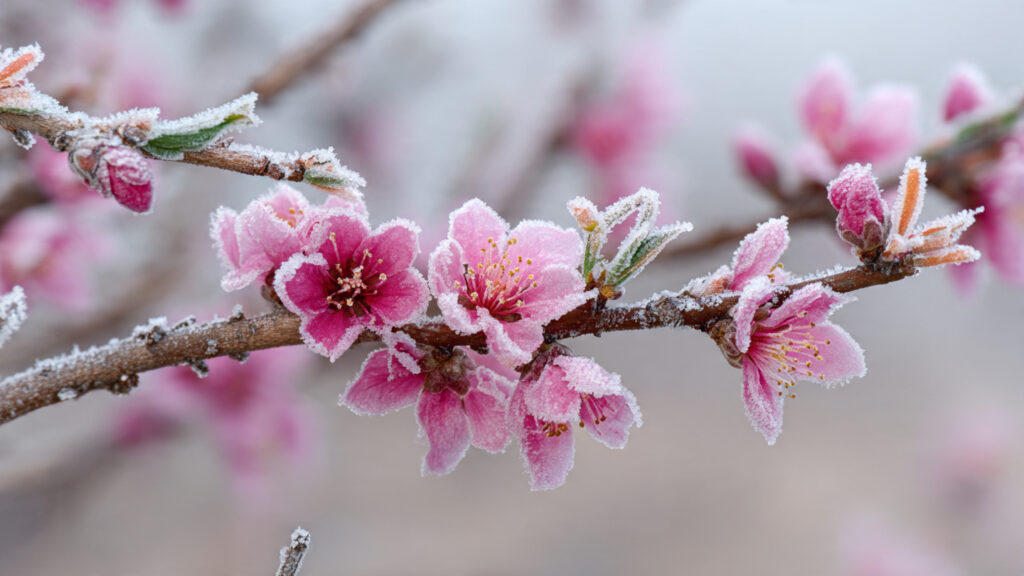
Peach trees (Prunus persica) are beloved for their juicy, sweet fruits and beautiful spring blossoms. However, they are also highly sensitive to late-season frost, which can devastate blossoms, young fruit, and even overall tree health. For home gardeners and orchard managers alike, understanding how to protect peach trees from frost is essential to ensure a bountiful harvest and maintain healthy trees year after year. This guide explores the best strategies to prevent frost damage, focusing on practical, low-stress methods that safeguard your peach trees during critical growth stages.
Understanding Frost Damage in Peach Trees
Late-season frost typically occurs after buds or blossoms have emerged, usually in early spring. Understanding how frost affects peach trees helps determine the right protection strategies:
- Blossom damage: Temperatures below 28°F (-2°C) can kill open flowers, preventing fruit set.
- Bud damage: Tender buds can be killed by frost, reducing the number of potential fruits.
- Young fruit injury: Newly formed fruits are extremely vulnerable and may shrivel or drop.
- Tree stress: Repeated frost damage weakens trees, making them more susceptible to disease and pests.
By recognizing the stages of vulnerability, gardeners can time interventions effectively to minimize losses.
Selecting Frost-Resistant Varieties
One of the most effective long-term strategies is choosing peach varieties with inherent frost tolerance:
- Late-blooming varieties: These bloom after the last expected frost date, reducing the risk of flower loss. Examples include ‘Redhaven,’ ‘Contender,’ and ‘Reliance.’
- Cold-hardy rootstocks: Selecting rootstocks suited to your climate improves overall tree resilience against frost and winter stress.
- Self-pollinating varieties: While not frost-resistant per se, self-pollinating types ensure some fruit set even if pollination conditions are compromised by cold.
Choosing the right variety establishes a strong foundation for successful frost management.
Site Selection and Microclimates
The location of your peach trees can make a significant difference in frost risk:
- Slope positioning: Planting on a gentle south-facing slope allows cold air to drain away, reducing frost pockets.
- Elevation: Slightly elevated areas are less prone to frost accumulation than low-lying zones.
- Proximity to structures: Walls, fences, or large trees can act as windbreaks and may provide slight warmth during cold nights.
- Avoid frost pockets: Depressions or low spots where cold air settles should be avoided.
Understanding microclimates allows gardeners to reduce exposure to frost naturally.
Mulching for Soil Heat Retention
Mulching around the base of peach trees helps moderate soil temperatures, indirectly protecting blossoms and buds:
- Materials: Straw, shredded leaves, or wood chips work well.
- Application: Spread a 3–4 inch layer around the root zone, keeping mulch a few inches away from the trunk.
- Benefits: Mulch retains heat, reduces soil moisture fluctuations, and can protect shallow roots during cold snaps.
While mulch cannot prevent frost in the air, it helps maintain stable root temperatures, which is crucial for tree recovery after a frost event.
Using Frost Cloths and Covers
Physical protection is one of the most reliable ways to shield peach trees from frost:
- Frost cloths or blankets: Drape lightweight fabric over trees in the late afternoon before a predicted frost. Avoid plastic directly on branches, as it can trap ice and cause damage.
- Tenting method: For small trees, stakes or frames can support covers without crushing blossoms.
- Removal timing: Remove covers in the morning after temperatures rise above freezing to prevent overheating and moisture buildup.
This method is especially effective for young trees or newly blooming trees during sudden cold snaps.
Irrigation as a Frost-Protection Technique
Believe it or not, water can protect peach blossoms and buds from frost:
- Overhead sprinklers: Applying a thin layer of water during frost creates a protective ice layer that releases latent heat, keeping plant tissue around 32°F (0°C).
- Timing: Begin sprinkling just before temperatures reach freezing and continue until the frost ends.
- Caution: This method requires constant monitoring. Uneven application can cause ice damage instead of protection.
Ice formation may seem counterintuitive, but it is a proven method in commercial orchards to prevent frost damage to delicate flowers.
Wind Machines and Fans
Air movement helps prevent frost damage by mixing cold air with warmer layers:
- Use in orchards: Large fans or wind machines can circulate air and reduce frost settling.
- DIY alternatives: Gardeners can use small box fans or strategically placed patio fans to move air around vulnerable trees.
- Optimal conditions: This method works best during light frost with calm wind conditions.
Moving the air prevents a thin layer of freezing air from settling on blossoms and young fruit.
➡️ How to Grow Malabar Spinach from Cuttings for Fast, Easy Greens
➡️ How to Grow Super Delicious Cabbage at Home Without a Garden
➡️ How to Grow Bean Sprouts at Home in Plastic Bottles Easily (Step‑by‑Step Guide)
➡️ Why is Your Lemon Tree Blooming in the Heart of Winter?
➡️ Why Should Your Garden Have a Dedicated Pollinator Highway?
➡️ Why Do Your Fruit Trees Need a Winter Wash to Thrive in Spring?
➡️ How Can Rice Water Transform Your Fruits into Sweeter Delights?
➡️ Jumpstart Your Winter Garden: Seed Starting Under Lights
Timing Pruning to Reduce Frost Risk
Pruning practices can also influence frost vulnerability:
- Avoid late winter pruning: Cutting back in late winter stimulates early growth, making buds more susceptible to frost.
- Prune in summer or early fall: Summer pruning encourages stronger buds that are less likely to be damaged in spring.
- Maintain tree structure: Open centers and well-spaced branches allow air to circulate, reducing frost pockets within the canopy.
Thoughtful pruning reduces frost risk while promoting healthy tree architecture.
Fertilization and Stress Management
Healthy, well-nourished trees withstand frost better:
- Avoid late nitrogen: High nitrogen late in the season promotes tender growth that is frost-sensitive.
- Balanced fertilization: Use a balanced fertilizer in early spring to support bud development without encouraging overly soft tissue.
- Mulching and watering: Maintain moderate soil moisture and avoid drought stress, which weakens trees.
Proper nutrition and stress management give trees a fighting chance during unexpected cold events.
Monitoring Weather and Using Alerts
Staying informed is one of the simplest yet most effective strategies:
- Weather apps: Monitor local forecasts for frost advisories.
- Frost alarms: Simple devices can alert you when temperatures approach freezing.
- Garden thermometers: Place thermometers in vulnerable areas to monitor real-time conditions.
Being proactive allows gardeners to implement protection measures before damage occurs.
Long-Term Strategies for Frost Protection
Beyond immediate interventions, consider long-term solutions:
- Orchard design: Plant trees with natural windbreaks or slight elevation to reduce frost pockets.
- Diversity of bloom times: Plant multiple peach varieties with staggered bloom periods to reduce total crop loss from a single frost event.
- Heaters or thermal mass: Rocks, barrels of water, or small orchard heaters can moderate night temperatures.
These strategies reduce reliance on emergency measures and promote sustainable peach production.
Conclusion
Protecting peach trees from late-season frost requires a combination of preventive planning, timely interventions, and proper tree care. By selecting frost-tolerant varieties, choosing ideal planting locations, using mulches and protective covers, employing irrigation or wind strategies, and monitoring environmental conditions, gardeners can significantly reduce frost damage and improve fruit yield.
With these strategies in place, your peach trees will be more resilient, your blossoms protected, and your harvests more consistent. Whether you are a home gardener or managing a small orchard, understanding frost dynamics and applying practical solutions ensures that your peach trees thrive despite the unpredictability of late-season cold snaps.
Late-season frost does not have to spell disaster—armed with these strategies, you can confidently protect your peach trees and enjoy sweet, juicy fruits year after year.