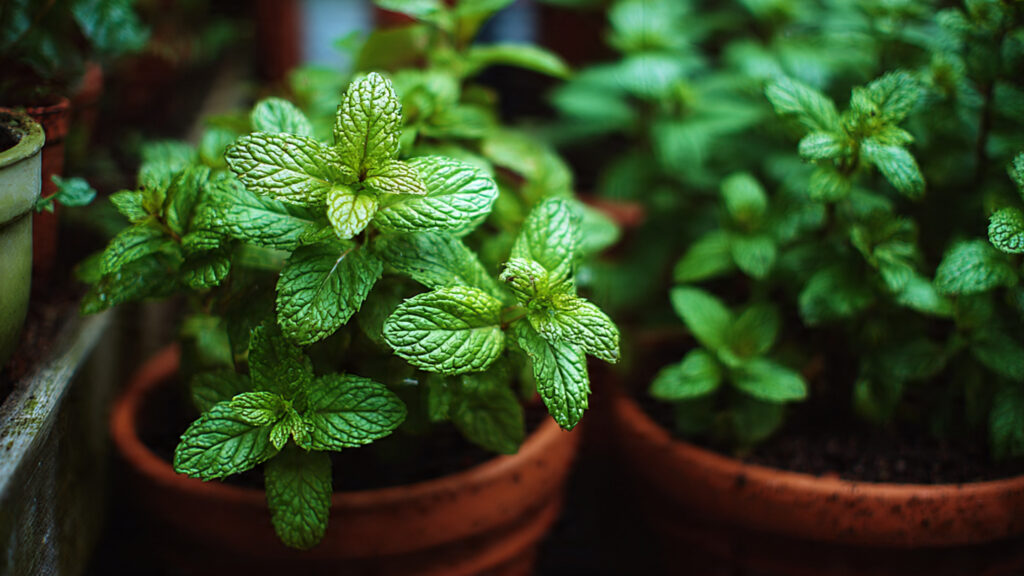
Mint (Mentha spp.) is one of the most versatile, aromatic, and easy-to-grow herbs for both indoor and outdoor gardens. Its refreshing flavor, vibrant green leaves, and invigorating fragrance make it a staple in kitchens, teas, cocktails, and desserts. Beyond its culinary uses, mint also offers aesthetic appeal and natural pest-repellent properties. With the right care, you can enjoy fresh mint leaves year-round, whether you grow it in containers indoors or in your backyard garden.
Mint is known for its vigorous growth and spreading habit, which can make outdoor cultivation challenging if left unchecked. However, by understanding its growing requirements and using proper care techniques, you can cultivate lush, flavorful mint indoors, outdoors, or in hanging containers. This comprehensive guide will show you how to successfully grow mint year-round, ensuring consistent freshness and a thriving herb garden.
Understanding Mint Varieties
Before planting, it’s important to know the varieties of mint and their uses:
- Spearmint (Mentha spicata): Sweet, mild flavor; ideal for teas, salads, and garnishes.
- Peppermint (Mentha × piperita): Strong, cooling taste; great for desserts, drinks, and medicinal use.
- Chocolate Mint (Mentha × piperita ‘Chocolate’): Subtle chocolate flavor; perfect for baking or drinks.
- Apple Mint (Mentha suaveolens): Fruity aroma; decorative and culinary use.
Choosing the right variety depends on your personal taste and the intended use, whether for cooking, beverages, or ornamental purposes.
Benefits of Growing Mint Year-Round
Growing mint both indoors and outdoors provides numerous advantages:
- Fresh Supply: Always have aromatic leaves available for teas, cooking, or garnishing.
- Aesthetic Value: Mint adds greenery and texture to indoor pots, hanging baskets, and garden beds.
- Easy Maintenance: Mint is hardy and resilient, suitable for beginner gardeners.
- Natural Pest Control: Acts as a deterrent for pests like ants and aphids when planted outdoors.
- Versatile Growth: Thrives in pots, garden beds, or vertical planters, adapting to different spaces.
By cultivating mint in multiple locations, you can maximize both yield and utility.
Choosing the Right Growing Medium
Indoors
- Container Choice: Use pots with drainage holes to prevent waterlogging. Containers can range from small kitchen pots to hanging baskets.
- Soil: Use a well-draining potting mix rich in organic matter. Mix equal parts of garden soil, compost, and perlite for aeration.
- pH: Mint prefers slightly acidic to neutral soil, with a pH of 6.0–7.0.
Outdoors
- Garden Beds: Choose raised or bordered beds to prevent mint from spreading uncontrollably.
- Soil Preparation: Loosen soil to improve aeration. Enrich with compost or organic matter to support vigorous growth.
- pH: Maintain slightly acidic to neutral soil, which supports strong leaf development.
Using well-prepared soil ensures robust root development and healthy foliage for year-round harvests.
Planting Mint
Starting Indoors
- Seeds or Cuttings: While mint can grow from seeds, starting with cuttings or small plants is faster and more reliable.
- Container Planting: Plant cuttings 2–3 inches deep in moist potting soil. Space each cutting to allow for air circulation.
- Initial Care: Keep the soil consistently moist and place the pot in bright, indirect light.
Planting Outdoors
- Spacing: Plant mint 12–18 inches apart to allow room for spreading.
- Containment: Consider planting mint in containers buried in the ground or using garden borders to prevent it from invading other areas.
- Watering: Water thoroughly after planting to establish strong roots.
Proper planting ensures strong, healthy growth and minimizes maintenance challenges.
Light Requirements
Indoors
- Indirect Sunlight: Mint thrives in bright, indirect light. A south or west-facing window works well.
- Supplemental Lighting: In low-light spaces, use fluorescent or LED grow lights for 12–14 hours per day to encourage full, bushy growth.
Outdoors
- Partial Sun: Mint grows well in partial sunlight. 4–6 hours of morning sun with afternoon shade is ideal.
- Avoid Harsh Sun: Too much direct sunlight can scorch leaves, especially in hanging containers or exposed beds.
Light management ensures healthy foliage and prevents leggy or stressed plants.
Watering Mint
- Indoors: Keep the soil consistently moist but not soggy. Water when the top inch of soil feels dry. Avoid letting water accumulate in the saucer.
- Outdoors: Water deeply 2–3 times per week, adjusting for rainfall and temperature. Ensure the soil remains moist but well-drained.
- Humidity: Indoor mint benefits from occasional misting, especially in dry climates or heated homes.
Proper watering is critical for vigorous growth, preventing both wilting and root rot.
Fertilization for Year-Round Growth
- Type: Use a balanced fertilizer or an organic option such as compost tea or liquid seaweed.
- Frequency: Feed indoor and outdoor plants every 4–6 weeks during the growing season. Reduce fertilization in winter when growth slows.
- Micronutrients: Ensure adequate nitrogen for leafy growth. Avoid over-fertilization, which can reduce flavor.
Regular feeding ensures aromatic, tender leaves and encourages continual growth.
Pruning and Harvesting
- Pruning: Trim stems regularly to maintain a bushy, compact shape and prevent flowering, which can reduce leaf production.
- Harvesting: Pick top leaves for the best flavor. Frequent harvesting encourages new shoots and prolongs the productive season.
- Flower Management: Pinch off flower buds to redirect energy into leaf production.
Consistent pruning and harvesting keep your mint productive year-round.
Overwintering Mint Indoors
Mint grown outdoors in colder climates may need to be brought indoors during winter:
- Container Transfer: Move pots indoors to a bright window or under grow lights.
- Reduce Watering: Water less frequently as growth slows, but maintain moist soil.
- Maintain Humidity: Use a humidifier or mist leaves to prevent drying.
Indoor overwintering ensures continuous access to fresh mint leaves, even in frosty months.
Common Problems and Solutions
- Leggy Growth: Caused by insufficient light. Rotate plants and supplement with artificial lighting indoors.
- Yellow Leaves: Indicates overwatering, nutrient deficiency, or poor drainage. Adjust care accordingly.
- Pests: Aphids, spider mites, and whiteflies can affect both indoor and outdoor plants. Treat with neem oil or insecticidal soap.
- Invasive Growth Outdoors: Contain roots with pots, borders, or barriers to prevent spreading.
Early detection and proper care prevent most common issues and keep mint thriving.
➡️ How to Grow Malabar Spinach from Cuttings for Fast, Easy Greens
➡️ How to Grow Super Delicious Cabbage at Home Without a Garden
➡️ How to Grow Bean Sprouts at Home in Plastic Bottles Easily (Step‑by‑Step Guide)
➡️ Why is Your Lemon Tree Blooming in the Heart of Winter?
➡️ Why Should Your Garden Have a Dedicated Pollinator Highway?
➡️ Why Do Your Fruit Trees Need a Winter Wash to Thrive in Spring?
➡️ How Can Rice Water Transform Your Fruits into Sweeter Delights?
➡️ Jumpstart Your Winter Garden: Seed Starting Under Lights
Propagation for Continuous Supply
Mint is extremely easy to propagate:
- Stem Cuttings: Place 4–6 inch cuttings in water or moist soil. Roots develop in 1–2 weeks.
- Division: Separate mature plants into smaller sections and replant in containers or beds.
- Container Rotation: Propagate multiple plants indoors and outdoors to maintain a year-round harvest.
Propagation ensures an uninterrupted supply of fresh leaves throughout the year.
Decorative and Practical Uses
- Culinary Use: Teas, mojitos, salads, sauces, and desserts.
- Aromatic Ambiance: Fresh leaves release a refreshing scent indoors and outdoors.
- Visual Appeal: Mint in containers, hanging baskets, or garden beds adds lush greenery.
- Companion Planting: Mint deters pests and attracts beneficial insects in vegetable gardens.
By combining functionality and aesthetics, mint becomes an essential plant for any garden or home.
Conclusion
Growing mint both indoors and outdoors provides fresh, aromatic leaves year-round while adding greenery and charm to your home and garden. By selecting the right variety, using proper containers and soil, providing adequate light, maintaining consistent moisture, and practicing regular pruning, you can cultivate lush, healthy mint with minimal effort.
Whether you grow mint in kitchen pots, hanging baskets, or garden beds, propagation through stem cuttings or division ensures a continuous supply of fresh leaves for culinary and decorative use. With proper care and management, mint is not only easy to grow but also highly rewarding, offering flavor, fragrance, and greenery throughout the year.
By following this guide, both beginners and experienced gardeners can enjoy the full benefits of mint indoors and outdoors, creating a vibrant and sustainable herb garden that thrives in all seasons.