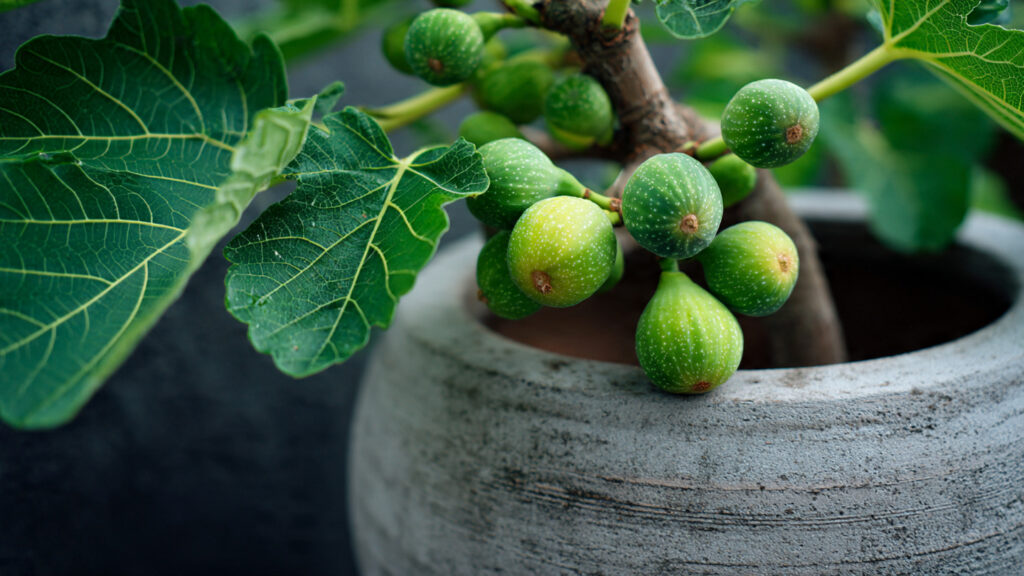
Fig trees (Ficus carica) are beloved in home gardens for their sweet, succulent fruits and attractive foliage. However, many gardeners struggle with managing their size. Fig trees can grow large, spreading up to 30 feet in ideal conditions, which makes them difficult to manage in small gardens or containers. Fortunately, with careful pruning, proper fertilization, and smart cultivation practices, it is possible to keep fig trees compact without compromising their health or fruit production. This guide explores the best methods to maintain a manageable fig tree size while promoting vigorous growth, high yields, and overall plant health.
Why Keep Fig Trees Compact?
There are several reasons gardeners choose to control the size of fig trees:
- Space Management: Compact trees are ideal for small gardens, patios, or container planting.
- Ease of Harvesting: Smaller trees allow easy access to fruits without ladders or extensive effort.
- Disease and Pest Control: A smaller, well-pruned tree improves airflow, reducing humidity-related diseases.
- Fruit Quality: Compact trees focus energy on fewer branches, producing larger, sweeter fruit.
- Aesthetic Appeal: Maintaining a tidy shape enhances garden design and prevents fig trees from overshadowing other plants.
By managing tree size, gardeners can enjoy the best of both worlds: abundant fruit and a manageable, beautiful tree.
Selecting the Right Fig Variety
Choosing an appropriate variety is the first step to keeping fig trees compact:
- Dwarf Varieties: Varieties like ‘Petite Negra,’ ‘Little Miss Figgy,’ or ‘Brown Turkey’ are naturally smaller and easier to maintain in limited spaces.
- Container-Friendly Varieties: These varieties adapt well to pots or grow bags, allowing further control over growth.
- Cold-Tolerant Varieties: If you live in a region with cooler winters, choose varieties that withstand frost and maintain growth patterns without excessive spreading.
- High-Yield Varieties: Even compact trees can be productive if you select varieties known for abundant fruiting on short branches.
Starting with a naturally compact variety reduces pruning requirements and promotes healthier growth.
Choosing the Right Planting Location
Location is critical for fig tree growth and compactness:
- Full Sun Exposure: Fig trees require 6–8 hours of sunlight daily for optimal growth and fruiting.
- Wind Protection: Strong winds can damage branches and cause excessive spreading. Plant near a wall or install a windbreak if necessary.
- Soil Drainage: Well-draining soil prevents root rot and encourages strong root systems. Raised beds or mounded soil can be beneficial.
- Space Planning: Allow room for a compact canopy but avoid planting too close to structures. Controlled spacing encourages vertical rather than horizontal growth.
Choosing the right location helps maintain a tidy tree structure while supporting healthy growth.
Pruning Strategies to Keep Fig Trees Compact
Pruning is the most effective method for controlling fig tree size while encouraging fruit production:
1. Dormant Pruning
- Timing: Late winter or early spring, before new growth begins, is ideal.
- Remove Dead or Damaged Wood: Cut out weak, diseased, or broken branches to prevent pests and diseases.
- Thin Crowded Branches: Space main branches to allow light penetration and airflow.
- Control Height: Reduce vertical growth by cutting the central leader to the desired height.
Dormant pruning strengthens the tree and establishes a compact framework for the growing season.
2. Summer Pruning
- Light Trimming: Remove overly vigorous shoots or branches that cross or crowd the canopy.
- Encourage Lateral Growth: Pinch back vertical growth to promote branching, which can bear more fruit.
- Maintenance Cuts: Remove water sprouts or suckers from the base that divert energy from fruiting.
Summer pruning maintains the tree’s shape and ensures energy is directed toward fruit development.
3. Selective Fruit Pruning
- Thin Fruit-Bearing Branches: If the tree is overloaded, selectively remove small or unripe fruits to improve size and sweetness of remaining figs.
- Focus on Short Spurs: Fruit develops best on short, well-established lateral branches. Encourage these by pruning longer, unproductive shoots.
Targeted pruning techniques optimize energy allocation, resulting in healthier, sweeter fruit.
Training Fig Trees for Compact Growth
In addition to pruning, training young trees establishes a manageable structure:
- Open-Center Method: Encourage 3–5 strong scaffold branches radiating from a low trunk. This promotes light penetration and a balanced shape.
- Vertical Training: Use stakes or trellises to guide upward growth, especially for container trees.
- Pinching: Remove growing tips of young branches to encourage branching and maintain desired height.
Training early in the tree’s life reduces later pruning needs and creates a productive, compact canopy.
Fertilization for Healthy, Compact Growth
Proper nutrition promotes fruiting without encouraging excessive vegetative growth:
- Balanced Fertilizer: Use a fertilizer with nitrogen (N), phosphorus (P), and potassium (K) in moderate amounts to support fruiting and leaf health.
- Nitrogen Management: Avoid excessive nitrogen, which can produce lush, uncontrolled growth at the expense of fruit.
- Micronutrients: Magnesium, calcium, and zinc are essential for leaf and fruit development.
- Organic Amendments: Compost or well-decomposed manure improves soil structure and provides slow-release nutrients.
Feeding fig trees correctly maintains vigor while keeping the canopy compact.
➡️ How to Grow Malabar Spinach from Cuttings for Fast, Easy Greens
➡️ How to Grow Super Delicious Cabbage at Home Without a Garden
➡️ How to Grow Bean Sprouts at Home in Plastic Bottles Easily (Step‑by‑Step Guide)
➡️ Why is Your Lemon Tree Blooming in the Heart of Winter?
➡️ Why Should Your Garden Have a Dedicated Pollinator Highway?
➡️ Why Do Your Fruit Trees Need a Winter Wash to Thrive in Spring?
➡️ How Can Rice Water Transform Your Fruits into Sweeter Delights?
➡️ Jumpstart Your Winter Garden: Seed Starting Under Lights
Watering and Mulching
Water management affects growth and size control:
- Consistent Moisture: Water deeply and regularly, especially during dry spells, but avoid waterlogging.
- Reduced Watering After Fruiting: Controlled watering can limit excessive vegetative growth in late summer.
- Mulching: Organic mulch retains moisture, prevents weeds, and regulates soil temperature. Keep mulch a few inches away from the trunk to prevent rot.
Balanced water management supports healthy growth while discouraging sprawling, overly vigorous branches.
Container Growing for Compact Figs
Growing fig trees in containers naturally limits their size and encourages fruiting:
- Pot Size: Use 15–50 gallon containers for dwarf or compact varieties.
- Root Pruning: Trim roots every 2–3 years to maintain size and stimulate healthy growth.
- Mobility: Move container trees to optimize sunlight exposure and protect them from extreme weather.
- Soil Control: Use well-draining, fertile soil mixes to encourage steady growth without excessive spreading.
Container cultivation is particularly useful for urban gardeners or those with limited space.
Pest and Disease Management
Healthy trees grow better and remain manageable:
- Common Pests: Aphids, scale insects, and spider mites can stress the tree and promote uncontrolled growth. Use organic controls like neem oil or horticultural soaps.
- Diseases: Fig rust, leaf spot, and root rot are common. Proper pruning, airflow, and drainage minimize disease pressure.
- Sanitation: Remove fallen leaves and fruit to reduce pest habitats.
Maintaining a healthy tree ensures that pruning and growth management techniques are effective.
Seasonal Care for Compact Fig Trees
- Spring: Perform dormant pruning, fertilize, and inspect for pests.
- Summer: Monitor growth, water consistently, and conduct light pruning to maintain shape.
- Fall: Harvest ripe fruit, remove fallen debris, and prepare trees for dormancy.
- Winter: Protect container trees from frost and avoid heavy pruning during dormancy in very cold climates.
Seasonal care ensures year-round health and keeps trees compact while maximizing fruit yield.
Benefits of Keeping Fig Trees Compact
- Ease of Maintenance: Pruning, harvesting, and pest management are simpler on smaller trees.
- Higher Fruit Quality: Controlled growth directs energy to fruiting branches.
- Aesthetic Appeal: Well-shaped, compact fig trees enhance garden beauty.
- Urban and Container Gardening: Compact trees are ideal for small spaces, patios, or balconies.
- Longevity: Properly maintained, compact fig trees remain productive for decades.
Keeping fig trees compact ensures a practical, manageable, and productive garden addition.
Conclusion
Maintaining a compact fig tree while promoting healthy growth is entirely achievable with careful planning and consistent care. Selecting dwarf or naturally compact varieties, planting in an ideal location, and following disciplined pruning, training, fertilization, and watering practices are key strategies. Container planting offers additional control over tree size and root development, making figs accessible to gardeners with limited space.
By focusing on proper pruning, targeted fertilization, and balanced watering, gardeners can enjoy a manageable tree that produces abundant, high-quality fruit year after year. Healthy, compact fig trees are easier to harvest, less prone to disease, and more visually appealing, providing both practical and aesthetic benefits.
With attention to seasonal care, pest management, and structured growth techniques, even home gardeners with small yards or urban spaces can cultivate productive, well-shaped fig trees. These strategies ensure your fig tree remains a vibrant, fruitful centerpiece of your garden while maintaining a compact and manageable form.