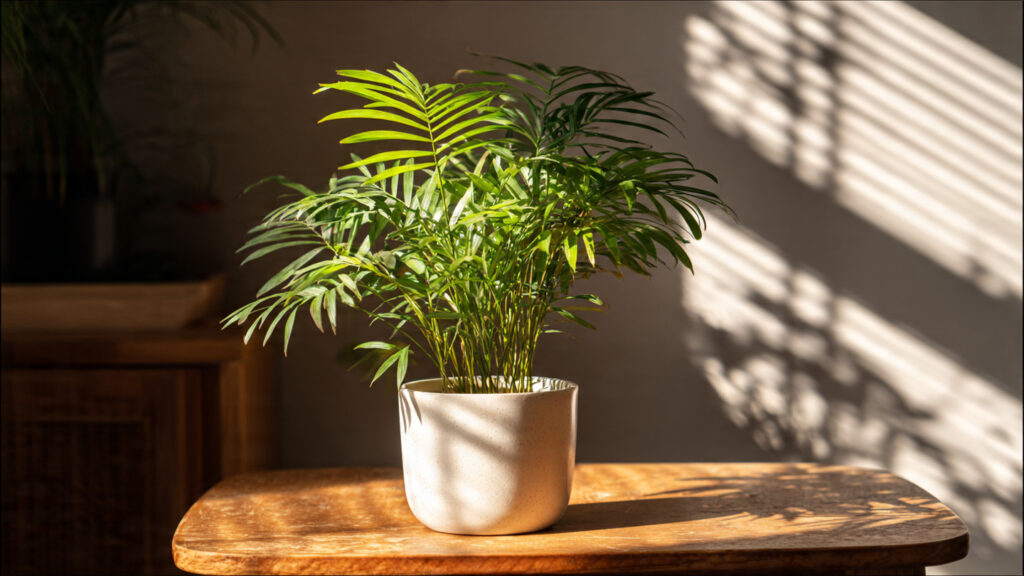
The parlor palm compact (Chamaedorea elegans ‘Compacta’) is one of the most popular indoor palms, celebrated for its graceful fronds, slow growth, and adaptability to low-light conditions. Unlike larger palm species, the compact variety thrives in modest indoor spaces, making it ideal for apartments, offices, and cozy living rooms. Its lush, green foliage adds a tropical aesthetic without demanding intensive care, making it perfect for both beginner and experienced indoor gardeners. This guide explores simple methods for successfully growing the parlor palm compact indoors, covering everything from lighting and watering to soil, fertilization, and pest management.
Understanding the Parlor Palm Compact
Before diving into care methods, it’s important to understand the plant’s characteristics:
- Botanical background: The parlor palm (Chamaedorea elegans) is native to the rainforests of Mexico and Central America. The compact cultivar is a dwarf variety, making it better suited for indoor environments.
- Growth habit: Slow-growing and clumping, it typically reaches 2–3 feet in height indoors. Its slender green stems and arching fronds create an elegant, tropical look.
- Environmental adaptability: Tolerates low light, moderate humidity, and indoor temperature fluctuations, which makes it a forgiving houseplant.
Understanding these traits helps set expectations and informs optimal care practices.
Selecting the Right Indoor Location
Location is one of the most critical factors for indoor parlor palm success:
- Light requirements: Parlor palms prefer bright, indirect light but tolerate low-light areas. Avoid direct sunlight, which can scorch the fronds. Ideal spots include near north- or east-facing windows.
- Temperature: Maintain a consistent indoor temperature of 65–80°F (18–27°C). Avoid drafty areas or sudden temperature changes near air vents or doors.
- Humidity: Prefers moderate humidity (40–60%). In dry environments, use a pebble tray, humidifier, or occasional misting to prevent leaf browning.
Choosing an ideal location ensures slow but steady growth and reduces stress on the plant.
Choosing the Right Container and Soil
Proper potting and soil preparation are essential for indoor parlor palms:
- Container selection: Use a pot with good drainage holes to prevent waterlogging. A slightly larger container than the root ball allows room for slow growth. Terracotta or ceramic pots are ideal because they provide airflow to roots.
- Soil composition: Use a well-draining, lightweight potting mix. A combination of peat moss, perlite, and pine bark works well. Avoid heavy garden soils that retain excess moisture.
- Repotting schedule: Repot every 2–3 years to refresh the soil and accommodate root growth. Avoid frequent repotting, as parlor palms prefer slightly constrained roots.
Proper containers and soil provide the foundation for healthy roots and overall plant vigor.
Watering Guidelines for Indoor Parlor Palm
Watering is often the most critical factor for indoor plant success:
- Frequency: Allow the top 1–2 inches of soil to dry out between waterings. Overwatering is the most common cause of root rot.
- Technique: Water thoroughly until it drains from the bottom, then empty the saucer to prevent standing water.
- Seasonal adjustment: Reduce watering in winter when growth slows, but never allow the soil to dry completely for extended periods.
Consistent, careful watering ensures roots remain healthy and fronds vibrant.
Fertilization for Steady Growth
Parlor palms are slow-growing and don’t require heavy feeding, but occasional nutrients support lush foliage:
- Type: Use a balanced, water-soluble fertilizer (10-10-10 or 20-20-20) during the growing season (spring and summer).
- Frequency: Fertilize once every 4–6 weeks. Avoid fertilizing in fall and winter when growth naturally slows.
- Organic alternatives: Compost tea or diluted fish emulsion provides gentle nutrients without the risk of fertilizer burn.
Proper fertilization promotes steady growth, deeper green fronds, and overall plant health.
Pruning and Maintenance
Routine maintenance keeps your parlor palm compact healthy and attractive:
- Removing yellow or brown fronds: Cut off damaged leaves at the base using clean, sharp scissors. This prevents pests and encourages new growth.
- Cleaning fronds: Dust fronds with a damp cloth to enhance photosynthesis and reduce pests.
- Shaping: Minimal pruning is needed, as the plant naturally maintains an elegant form.
Maintenance is simple but essential for long-term health.
Managing Pests and Diseases
Parlor palms are generally hardy, but indoor conditions can attract occasional pests:
- Common pests: Spider mites, mealybugs, scale insects, and aphids.
- Prevention: Regularly inspect fronds and wipe down leaves to remove dust.
- Treatment: Use insecticidal soap, neem oil, or rubbing alcohol on cotton swabs to treat affected areas.
- Disease prevention: Avoid overwatering and ensure good air circulation to prevent root rot and fungal infections.
Early detection and minimal interventions keep the plant healthy without excessive effort.
➡️ How to Grow Malabar Spinach from Cuttings for Fast, Easy Greens
➡️ How to Grow Super Delicious Cabbage at Home Without a Garden
➡️ How to Grow Bean Sprouts at Home in Plastic Bottles Easily (Step‑by‑Step Guide)
➡️ Why is Your Lemon Tree Blooming in the Heart of Winter?
➡️ Why Should Your Garden Have a Dedicated Pollinator Highway?
➡️ Why Do Your Fruit Trees Need a Winter Wash to Thrive in Spring?
➡️ How Can Rice Water Transform Your Fruits into Sweeter Delights?
➡️ Jumpstart Your Winter Garden: Seed Starting Under Lights
Lighting Adjustments for Indoor Growth
Even though parlor palms tolerate low light, slight adjustments can enhance growth:
- Rotate regularly: Turn the plant periodically to ensure even growth and prevent leaning.
- Supplemental lighting: In low-light interiors, use a full-spectrum LED grow light for 4–6 hours daily. This helps maintain deep green fronds and supports slow but steady growth.
- Avoid harsh sunlight: Direct afternoon sun can scorch leaves; filtered light is optimal.
Proper lighting ensures compact growth and vibrant foliage, even in less sunny indoor spots.
Encouraging Compact Growth
The compact variety naturally grows slower and smaller, but you can promote a fuller appearance:
- Pinching tips: Lightly pinch the tips of stems to encourage branching and denser fronds.
- Balanced watering and feeding: Avoid overwatering and excessive fertilizer, which can lead to leggier growth.
- Consistent environment: Sudden changes in temperature or light can stress the plant and reduce compactness.
Following these simple methods preserves the plant’s naturally elegant, compact form.
Seasonal Care Tips
Adjust care practices throughout the year for optimal results:
- Spring and summer: Focus on moderate watering, fertilization, and increased humidity to encourage growth.
- Fall: Reduce fertilizer slightly, maintain regular watering, and check for pests.
- Winter: Growth slows, so water sparingly and avoid moving the plant near cold drafts or heating vents.
Seasonal adjustments help the parlor palm thrive year-round with minimal effort.
Benefits of Growing Parlor Palm Compact Indoors
Growing this plant indoors offers multiple advantages:
- Air purification: Parlor palms remove indoor pollutants and improve air quality.
- Low maintenance: Tolerates a range of indoor conditions, requiring minimal care.
- Aesthetic value: Lush fronds add tropical elegance to any room.
- Compact size: Perfect for apartments, desks, or small living spaces.
- Stress relief: Caring for plants provides mental health benefits, making interiors more calming.
These benefits make the parlor palm compact a top choice for indoor greenery enthusiasts.
Common Mistakes to Avoid
Even beginner gardeners can ensure success by avoiding common pitfalls:
- Overwatering: Leads to root rot and yellowing fronds.
- Insufficient light: Can cause slow growth and pale leaves.
- Ignoring pests: Early detection is crucial to prevent infestations.
- Frequent repotting: Disturbs slow-growing roots and stresses the plant.
Awareness of these mistakes prevents setbacks and supports a thriving indoor palm.
Conclusion
The parlor palm compact is one of the easiest indoor palms to grow, combining beauty, resilience, and simplicity. By selecting the right location, using well-draining soil, following proper watering and fertilization routines, and maintaining clean, healthy fronds, even beginner gardeners can cultivate a thriving indoor tropical accent. Minimal pruning, pest management, and attention to light and humidity ensure the plant remains compact, elegant, and lush.
Whether placed on a desk, near a window, or in a living room corner, the parlor palm compact adds greenery, elegance, and indoor air quality benefits with surprisingly little effort. By following these simple methods, you can enjoy a low-maintenance, visually stunning indoor palm for years to come.