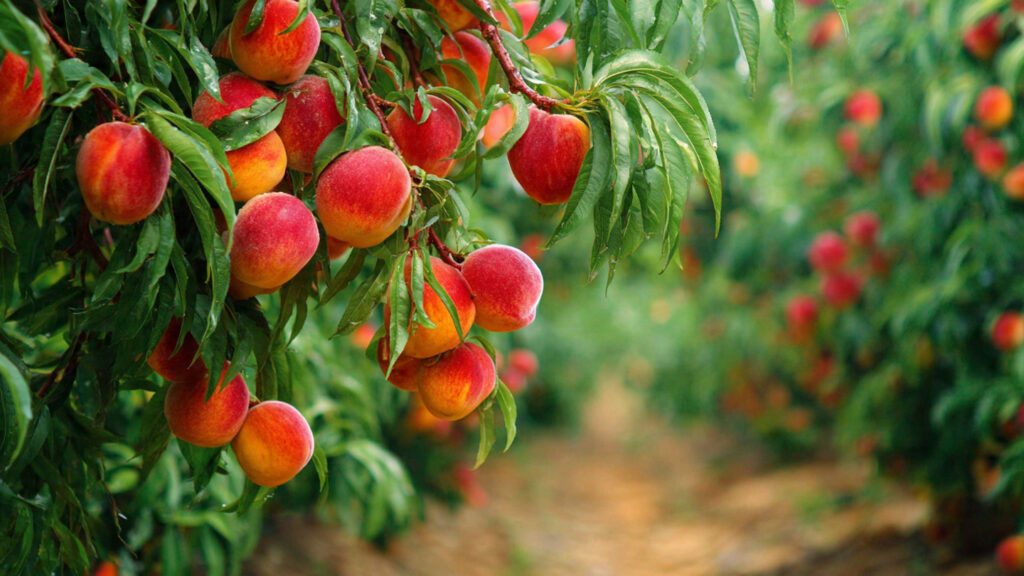
Growing a peach tree in your backyard is one of the most rewarding gardening experiences. Not only do peach trees provide delicious, juicy fruits, but they also add beauty to your garden with their delicate blossoms in spring. With the right care and attention, a single peach tree can produce a bountiful harvest year after year. In this guide, I’ll walk you through everything you need to know to grow your backyard peach tree successfully—from selecting the right variety to harvesting the sweetest fruits.
Choosing the Right Peach Tree Variety
The first step in achieving optimal fruit production is choosing a variety suited to your climate, soil, and taste preferences. Peach trees are generally categorized into two types:
- Freestone Peaches: The pit separates easily from the flesh, making them perfect for fresh eating, baking, and canning.
- Clingstone Peaches: The flesh clings to the pit; these are ideal for preserves and commercial use.
Additionally, consider the chill hours your region receives. Chill hours are the cumulative hours of cold weather a peach tree needs to break dormancy and produce fruit. Low-chill varieties thrive in warmer climates, while high-chill varieties are suited for cooler regions. Popular backyard-friendly varieties include:
- Elberta: Large, sweet, freestone peaches; ideal for warm climates.
- Redhaven: Disease-resistant and prolific; excellent for fresh eating.
- Florida Prince: Low-chill variety perfect for southern regions.
Selecting the right variety ensures a healthy tree and abundant fruit production.
Preparing Your Backyard for Planting
Peach trees require full sun and well-drained soil to thrive. Here’s how I prepare my backyard for planting:
- Location: Choose a spot that receives at least 6–8 hours of sunlight daily. Avoid low-lying areas where water collects, as peach trees are prone to root rot.
- Soil Preparation: Peach trees prefer slightly acidic soil with a pH between 6.0 and 6.8. I amend my soil with compost or aged manure to improve fertility and drainage.
- Space Consideration: Peach trees need space to grow. Standard trees require 15–20 feet between trees, while dwarf varieties need 10–12 feet. Proper spacing ensures good air circulation, reducing the risk of fungal diseases.
- Planting Holes: Dig a hole twice as wide and just as deep as the root ball. Loosen the soil at the bottom and sides to encourage root growth.
Planting Your Peach Tree
Timing is critical. I usually plant peach trees in late winter or early spring, when the tree is still dormant. Here’s the planting process:
- Inspect Roots: Trim any damaged or broken roots before planting. Soak bare-root trees in water for a few hours to rehydrate them.
- Position the Tree: Place the tree in the hole, ensuring the graft union (the swollen area where the tree was grafted) is 2–3 inches above the soil level.
- Backfill Carefully: Fill the hole with soil, gently firming it around the roots to eliminate air pockets. Avoid burying the graft union.
- Watering: Water thoroughly after planting to help settle the soil and promote root establishment.
- Mulching: Apply a 2–3 inch layer of organic mulch around the base to conserve moisture and suppress weeds. Keep mulch a few inches away from the trunk to prevent rot.
Caring for Your Peach Tree
Consistent care is essential for optimal fruit production. Here are the key steps I follow:
Watering
Young peach trees need regular watering, especially during the first year. I water deeply once a week, increasing frequency during dry periods. Mature trees require less frequent but deep watering, as shallow watering encourages weak roots.
Fertilizing
I feed my peach trees with a balanced fertilizer in early spring, before new growth begins. A typical schedule includes:
- First Year: Light feeding; avoid over-fertilization.
- Second Year Onwards: Use nitrogen-rich fertilizer in early spring, followed by potassium and phosphorus boosters as flowers develop.
Avoid excessive nitrogen, which promotes leafy growth at the expense of fruit.
Pruning
Pruning is the secret to high yields. I prune my peach trees every late winter before buds swell:
- Remove dead, diseased, or crossing branches.
- Open the center of the tree to improve sunlight penetration and air circulation.
- Shorten long, vigorous shoots to encourage fruiting on lateral branches.
Proper pruning ensures larger, sweeter peaches and reduces the risk of fungal disease.
Pest and Disease Control
Peach trees are vulnerable to pests like aphids, peach borers, and scale insects, as well as diseases such as peach leaf curl and brown rot. I follow an organic management approach:
- Apply dormant oil sprays in late winter to control overwintering pests.
- Use neem oil or insecticidal soap during the growing season.
- Remove fallen leaves and diseased fruit promptly.
- Choose disease-resistant varieties whenever possible.
Pollination and Flowering
Most peach trees are self-pollinating, meaning a single tree can produce fruit. However, cross-pollination with another variety can sometimes increase fruit size and yield. Peach blossoms appear in early spring and require bees for effective pollination. Planting flowers nearby can attract pollinators and improve fruit set.
Harvesting Your Peaches
Timing is everything when it comes to harvesting. I look for these signs:
➡️ How to Grow Malabar Spinach from Cuttings for Fast, Easy Greens
➡️ How to Grow Super Delicious Cabbage at Home Without a Garden
➡️ How to Grow Bean Sprouts at Home in Plastic Bottles Easily (Step‑by‑Step Guide)
➡️ Why is Your Lemon Tree Blooming in the Heart of Winter?
➡️ Why Should Your Garden Have a Dedicated Pollinator Highway?
➡️ Why Do Your Fruit Trees Need a Winter Wash to Thrive in Spring?
➡️ How Can Rice Water Transform Your Fruits into Sweeter Delights?
➡️ Jumpstart Your Winter Garden: Seed Starting Under Lights
- Color: The fruit develops its characteristic color.
- Touch: Peaches are slightly soft to the touch.
- Aroma: Ripe peaches emit a sweet, fragrant smell.
Gently twist the fruit to harvest, avoiding pulling or shaking branches, which can damage flowers and young fruits. Harvesting regularly encourages more fruit production and prevents overripening on the tree.
Storing and Using Your Harvest
Peaches are best enjoyed fresh, but proper storage can extend their shelf life:
- Short-Term: Store unripe peaches at room temperature until they soften. Ripe peaches last 3–5 days in the refrigerator.
- Long-Term: Freeze, can, or dry surplus fruit to enjoy year-round. I often make homemade peach jam, preserves, and pies.
Growing your own peaches allows you to experiment with recipes and enjoy the unmatched taste of homegrown fruit.
Tips for Maximum Fruit Production
To ensure your backyard peach tree produces optimal yields, I follow these strategies:
- Succession Pruning: Prune regularly to balance vegetative growth and fruiting.
- Thinning Fruits: Remove small or clustered fruits early in the season to allow remaining peaches to grow larger.
- Proper Watering: Maintain consistent moisture during fruit development to prevent cracking.
- Soil Health: Rotate mulch and add organic matter annually to maintain soil fertility.
- Monitor for Pests: Early detection and management prevent crop loss.
Conclusion
Growing a backyard peach tree is a journey of patience, care, and attention to detail. By selecting the right variety, preparing your soil, providing consistent care, and managing pests and diseases, you can enjoy a bountiful harvest of sweet, juicy peaches every year. The joy of harvesting your own fruit, sharing it with family, and enjoying the flavor of truly fresh peaches is unparalleled.
With dedication and the right techniques, your backyard peach tree can become a sustainable source of delicious fruit, bringing beauty, nutrition, and satisfaction to your home garden for years to come. Whether you’re a beginner gardener or a seasoned horticulturist, following these steps will help you achieve optimal fruit production and make your peach-growing experience a fruitful success.
If you want, I can also create a visually appealing, SEO-ready version with subheadings, bullet points, and meta description, perfect for online blogs and gardening websites. It will be optimized to attract readers searching for “backyard peach tree care” or “how to grow peaches at home.”