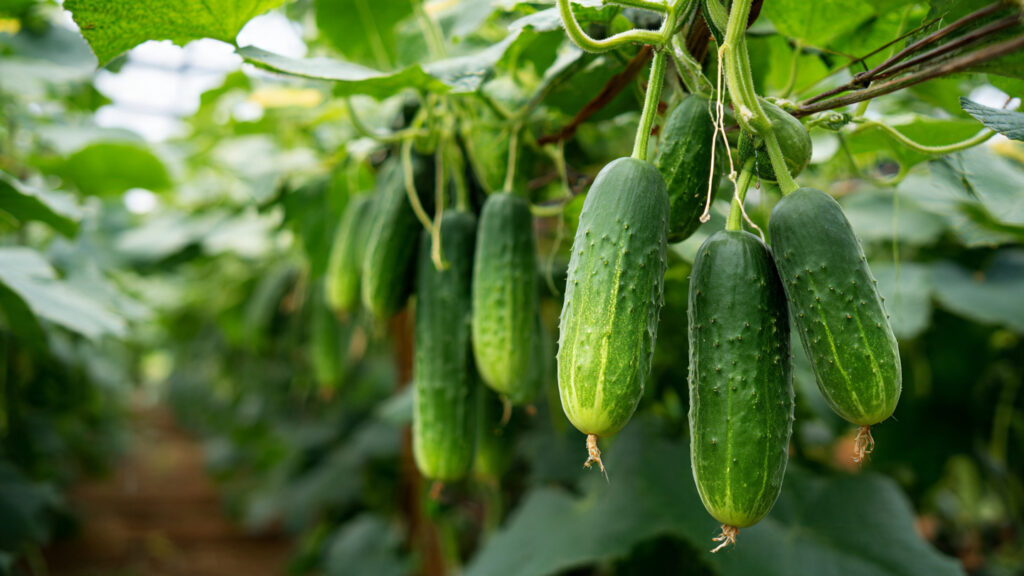
There’s nothing more disappointing than harvesting beautiful cucumbers from your garden, slicing into them with excitement, and discovering an unpleasant bitter taste. Cucumbers are meant to be refreshing, crisp, and mildly sweet—not harsh or sharp. The good news is that bitterness in cucumbers is preventable. With the right techniques and care, you can consistently grow sweet, flavorful cucumbers in your home garden.
This ultimate guide will walk you through everything you need to know about cultivating cucumbers that are juicy, tender, and free from bitterness.
Why Do Cucumbers Become Bitter?
Before diving into solutions, it’s important to understand the cause. The bitterness in cucumbers comes from natural compounds called cucurbitacins. These compounds are usually present in small amounts, but environmental stress can increase their concentration, especially near the stem end and in the peel.
Common stress factors include:
- Inconsistent watering
- High temperatures
- Poor soil nutrition
- Overcrowding
- Irregular harvesting
When cucumber plants experience stress, they produce more cucurbitacins as a defense mechanism. Therefore, the key to sweeter cucumbers lies in minimizing plant stress throughout the growing season.
Choose the Right Cucumber Variety
One of the easiest ways to avoid bitter cucumbers is to start with varieties bred for sweetness and low bitterness. Modern hybrid cucumbers are specifically developed to reduce cucurbitacin production.
Look for varieties labeled as:
- “Burpless”
- “Sweet”
- “Bitter-free”
- “European” or “English” types
These cultivars are genetically less prone to bitterness. If you’ve struggled with bitter cucumbers in the past, switching varieties can make a dramatic difference.
Prepare Nutrient-Rich, Well-Drained Soil
Healthy soil is the foundation of sweet cucumbers. Cucumbers are heavy feeders and thrive in rich, fertile soil.
Ideal Soil Conditions:
- pH between 6.0 and 6.8
- Loose, well-draining texture
- High organic matter content
Before planting, mix in compost or well-rotted manure to enrich the soil. Organic matter improves moisture retention while ensuring proper drainage—two essential factors for reducing plant stress.
Avoid compacted or waterlogged soil, as poor drainage can damage roots and lead to bitterness.
Maintain Consistent Watering
Inconsistent watering is one of the main causes of bitter cucumbers. When plants go through cycles of drought and heavy watering, stress increases dramatically.
Watering Tips:
- Provide 1 to 1.5 inches of water per week
- Water deeply rather than lightly
- Keep soil consistently moist but not soggy
- Water at the base to prevent fungal diseases
Mulching around plants with straw, dry leaves, or grass clippings helps retain moisture and regulate soil temperature. Mulch also prevents sudden fluctuations in soil conditions, which can contribute to bitterness.
During hot summer weather, check soil moisture regularly. Cucumbers have shallow roots and can dry out quickly.
Provide Adequate Sunlight Without Overheating
Cucumbers love sunlight and need at least 6–8 hours of direct sun daily. However, extreme heat combined with dry conditions can trigger bitterness.
➡️ How to Grow Malabar Spinach from Cuttings for Fast, Easy Greens
➡️ How to Grow Super Delicious Cabbage at Home Without a Garden
➡️ How to Grow Bean Sprouts at Home in Plastic Bottles Easily (Step‑by‑Step Guide)
➡️ Why is Your Lemon Tree Blooming in the Heart of Winter?
➡️ Why Should Your Garden Have a Dedicated Pollinator Highway?
➡️ Why Do Your Fruit Trees Need a Winter Wash to Thrive in Spring?
➡️ How Can Rice Water Transform Your Fruits into Sweeter Delights?
➡️ Jumpstart Your Winter Garden: Seed Starting Under Lights
If you live in a very hot climate:
- Use light shade cloth during peak afternoon heat
- Mulch generously to cool roots
- Water early in the morning
The goal is to give plants plenty of sun for healthy growth while preventing excessive heat stress.
Feed Plants Properly
Nutrient imbalance can also influence flavor. Cucumbers require steady feeding throughout the growing season.
Fertilization Guidelines:
- Start with compost-enriched soil
- Use a balanced fertilizer (such as 10-10-10) at planting
- Switch to a low-nitrogen, higher-potassium fertilizer once flowering begins
Too much nitrogen encourages leafy growth but can reduce fruit quality. Potassium helps improve fruit development and flavor.
Organic gardeners can use:
- Compost tea
- Fish emulsion
- Seaweed extract
Apply fertilizer moderately and consistently rather than in large, irregular doses.
Space Plants Properly
Overcrowding causes competition for water, nutrients, and sunlight, leading to stressed plants and bitter fruits.
Follow recommended spacing:
- Bush varieties: 18–24 inches apart
- Vining varieties: 36 inches apart
- Trellised cucumbers: 12 inches apart
Growing cucumbers vertically on a trellis improves air circulation, reduces disease risk, and helps fruits develop evenly. Vertical growing also keeps fruits cleaner and often improves flavor.
Harvest at the Right Time
Timing matters more than many gardeners realize. Overripe cucumbers are more likely to taste bitter.
Harvesting Tips:
- Pick cucumbers when they are firm and bright green
- Do not allow fruits to become oversized
- Harvest every 1–2 days during peak production
Frequent harvesting encourages the plant to continue producing and prevents fruits from staying too long on the vine.
Smaller cucumbers generally have better flavor and fewer seeds, contributing to sweetness and crisp texture.
Reduce Plant Stress Throughout the Season
Since bitterness is directly linked to stress, keeping plants comfortable is essential.
Ways to Reduce Stress:
- Use mulch to regulate soil temperature
- Protect from strong winds
- Avoid disturbing roots when weeding
- Control pests early
Pests like aphids and cucumber beetles weaken plants, increasing stress. Regular inspection allows you to address infestations quickly using natural controls like neem oil or insecticidal soap.
Healthy, stress-free plants consistently produce sweeter cucumbers.
Practice Proper Crop Rotation
Growing cucumbers in the same location year after year can deplete soil nutrients and increase disease risk.
Rotate cucumbers with unrelated crops such as:
- Beans
- Carrots
- Leafy greens
Avoid planting them after other members of the squash family, such as pumpkins or melons, as they share similar pests and diseases.
Crop rotation maintains soil health and reduces stress-related bitterness.
Try Companion Planting
Companion planting can naturally enhance cucumber growth and reduce stress.
Good companions include:
- Beans (improve soil nitrogen)
- Radishes (repel cucumber beetles)
- Marigolds (discourage pests)
- Dill (attract beneficial insects)
Avoid planting cucumbers near aromatic herbs like sage, which may inhibit growth.
Healthy companion ecosystems help cucumbers thrive, leading to better flavor.
What to Do If You Still Get Bitter Cucumbers
Even with excellent care, occasional bitterness may occur. Fortunately, there are ways to reduce bitterness after harvest:
- Peel the cucumber, as bitterness concentrates in the skin
- Cut off the stem end and discard
- Rub the cut end against the cucumber surface until a white foam appears (a traditional method believed to remove bitterness)
While prevention is best, these techniques can help salvage mildly bitter fruits.
Bonus Tip: Grow in Raised Beds or Containers
If your garden soil is heavy or unpredictable, raised beds or large containers give you complete control over soil quality and moisture.
Use high-quality potting mix enriched with compost, and ensure containers have excellent drainage. Container-grown cucumbers often experience fewer stress issues when properly managed.
Final Thoughts
Growing sweeter cucumbers without bitterness is completely achievable with the right approach. The key lies in preventing plant stress by providing consistent water, rich soil, proper nutrition, and timely harvesting. Choosing the right variety and maintaining stable growing conditions make a remarkable difference in fruit quality.
By focusing on plant health and environmental balance, you’ll enjoy crisp, refreshing cucumbers bursting with natural sweetness straight from your home garden. With these proven techniques, bitter cucumbers can become a thing of the past, and every harvest can be something you truly look forward to.