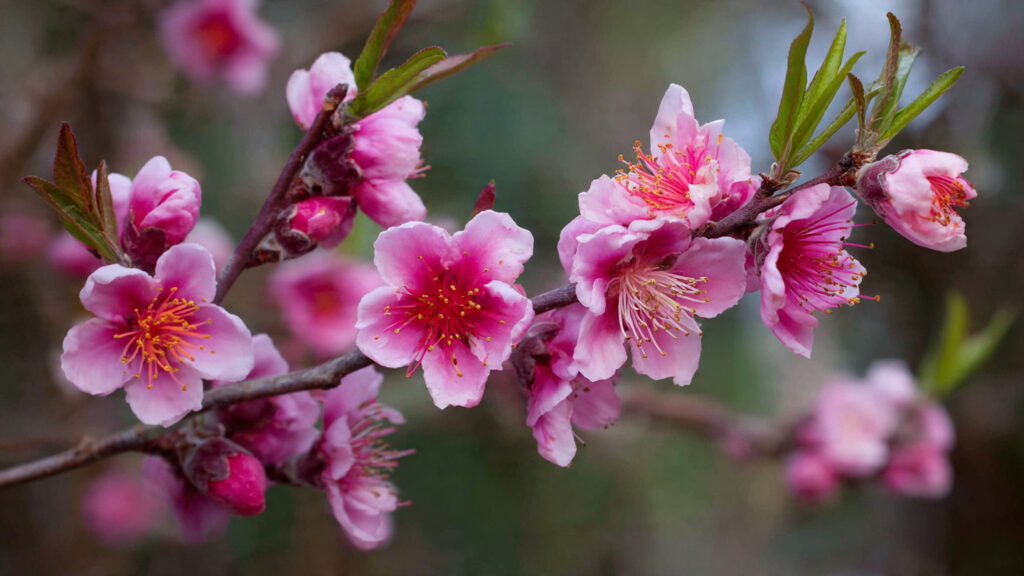
Growing juicy, sun-ripened peaches in your own backyard might sound like a dream reserved for warm southern climates or greenhouse growers—but it’s entirely possible in many cooler regions with the right approach. Thanks to modern breeding and cold-tolerant cultivars of Prunus persica, hardy peach trees can thrive outdoors without the need for a greenhouse.
If you choose the right variety, plant wisely, and understand how to protect your trees during critical growth stages, you can enjoy baskets of sweet peaches straight from your garden—even in areas with chilly winters.
This guide walks you step-by-step through everything you need to know.
Why Hardy Peach Trees Are Different
Traditional peach trees prefer mild winters and long, warm summers. However, hardy varieties are specifically bred to:
- Withstand colder winter temperatures
- Survive late spring frosts better
- Perform reliably in USDA zones as low as 4 or 5
The key difference is dormancy strength. Hardy peaches can tolerate winter lows of -20°F (-29°C) or lower, depending on the cultivar. That resilience makes greenhouse protection unnecessary in many climates.
Step 1: Choose the Right Hardy Variety
Selecting the right cultivar is the most important decision you’ll make. Look for peaches specifically labeled “cold-hardy” or “northern-adapted.”
Some reliable hardy varieties include:
- Reliance – One of the most popular cold-hardy peaches, known for surviving harsh winters
- Contender – Excellent frost tolerance and sweet flavor
- Redhaven – Widely grown and adaptable, with dependable yields
- Intrepid – Late-blooming variety that helps avoid frost damage
Each variety has different chill-hour requirements. Peach trees need a certain number of hours between 32–45°F (0–7°C) during winter to produce fruit properly. Make sure the variety matches your local winter climate.
Step 2: Pick the Perfect Planting Location
Peach trees love sunlight. Choose a spot that receives at least 6–8 hours of direct sun daily.
For colder climates, microclimates make a big difference:
- Plant on a south-facing slope if possible
- Avoid low spots where cold air settles
- Use windbreaks like fences or shrubs to reduce winter wind exposure
Good air drainage helps reduce frost damage in spring. Cold air flows downhill, so even a slight elevation can protect blossoms.
Step 3: Prepare Well-Draining Soil
Peach trees dislike soggy roots. They thrive in:
- Sandy loam soil
- Slightly acidic pH (6.0–6.5)
- Rich organic matter
Before planting, loosen soil 18–24 inches deep and mix in compost. If drainage is poor, consider planting in a slightly raised mound to prevent waterlogging.
Avoid heavy clay unless amended heavily with organic material.
Step 4: Plant at the Right Time
In cold regions, plant peach trees in early spring as soon as the ground can be worked. This gives the tree a full growing season to establish roots before winter arrives.
➡️ How to Grow Malabar Spinach from Cuttings for Fast, Easy Greens
➡️ How to Grow Super Delicious Cabbage at Home Without a Garden
➡️ How to Grow Bean Sprouts at Home in Plastic Bottles Easily (Step‑by‑Step Guide)
➡️ Why is Your Lemon Tree Blooming in the Heart of Winter?
➡️ Why Should Your Garden Have a Dedicated Pollinator Highway?
➡️ Why Do Your Fruit Trees Need a Winter Wash to Thrive in Spring?
➡️ How Can Rice Water Transform Your Fruits into Sweeter Delights?
➡️ Jumpstart Your Winter Garden: Seed Starting Under Lights
Steps for planting:
- Dig a hole twice as wide as the root ball.
- Keep the graft union 2–3 inches above soil level.
- Backfill with native soil (not heavily fertilized soil).
- Water thoroughly after planting.
Adding mulch around the base helps regulate soil temperature and retain moisture, but keep mulch a few inches away from the trunk.
Step 5: Protect Without a Greenhouse
While hardy varieties can survive winter cold, young trees may need extra protection during their first few years.
Winter Protection Tips
- Wrap trunks with tree guards to prevent sunscald and rodent damage
- Apply 2–4 inches of mulch around the root zone
- Water deeply before the ground freezes
Avoid fertilizing late in the season, as it encourages tender growth vulnerable to frost.
Step 6: Understand Bloom Timing and Frost Risk
One of the biggest challenges in growing peaches outdoors is late spring frost. Peach blossoms are delicate and can be damaged by temperatures below 28°F (-2°C).
To reduce risk:
- Choose late-blooming varieties like Intrepid
- Avoid fertilizing too early in spring
- Cover small trees with frost cloth during predicted cold snaps
Even if some blossoms are lost, hardy trees often produce enough flowers to ensure a good harvest.
Step 7: Prune for Strength and Productivity
Peach trees require annual pruning to produce quality fruit. Unlike many fruit trees, peaches bear fruit on one-year-old wood.
The most common pruning system is the open center (vase shape):
- Remove the central leader
- Keep 3–4 strong outward-facing branches
- Maintain an open structure for sunlight and airflow
Prune in late winter or very early spring before bud break.
Regular pruning improves fruit size, reduces disease risk, and keeps the tree manageable in a backyard setting.
Step 8: Thin the Fruit for Bigger Peaches
Peach trees often produce more fruit than they can support. If left unthinned, peaches will be small and branches may break.
When fruits reach marble size:
- Remove excess peaches
- Leave 6–8 inches between fruits
Though it feels counterintuitive, thinning leads to larger, sweeter peaches and healthier trees.
Step 9: Fertilize Carefully
Peach trees are moderate feeders. Too much nitrogen leads to excessive leafy growth and reduced fruit production.
General guidelines:
- Apply balanced fertilizer in early spring
- Avoid late summer feeding
- Watch leaf color—yellowing may signal nutrient deficiency
Compost applied annually around the drip line is often sufficient for backyard growers.
Step 10: Monitor for Common Problems
Even without a greenhouse, hardy peach trees can thrive with proper care. However, stay alert for:
Peach Leaf Curl
A fungal disease causing curled, reddish leaves. Prevent with dormant-season fungicide sprays.
Borers
Insects that attack the trunk base. Keep trees healthy and use trunk guards.
Aphids
Small pests on new growth—often controlled naturally by beneficial insects.
Healthy, well-pruned trees with good airflow are less likely to suffer major problems.
Growing Peaches in Small Backyards
Limited space? Consider:
- Dwarf peach varieties
- Espalier training along fences
- Container planting (large pots only)
Dwarf trees are easier to protect from frost and simpler to prune and harvest.
Even a single well-maintained tree can produce 30–50 pounds of peaches annually.
When to Harvest
Peaches are ready to harvest when:
- Skin changes from green to yellow or red
- Fruit feels slightly soft
- They detach easily from the branch
Unlike store-bought peaches, homegrown fruit ripens fully on the tree, resulting in richer flavor and juicier texture.
Harvest typically occurs mid to late summer, depending on variety and climate.
Why You Don’t Need a Greenhouse
Greenhouses help in extremely cold climates or for early production, but for most temperate regions, they’re unnecessary if you:
- Select cold-hardy varieties
- Protect young trees in winter
- Manage frost risk carefully
- Prune and maintain properly
Hardy peach trees are naturally resilient. Their dormancy cycle is designed to handle winter cold, making them well-suited to outdoor backyard cultivation.
The Rewards of Backyard Peaches
There’s something deeply satisfying about biting into a peach you’ve grown yourself. The fragrance, sweetness, and texture far surpass store-bought fruit.
Beyond taste, peach trees offer:
- Spring blossoms in shades of pink
- Lush summer foliage
- Shade and ornamental value
- Increased pollinator activity
They become a living part of your garden landscape.
Final Thoughts
Growing hardy peach trees in your backyard without a greenhouse is not only possible—it’s practical and rewarding. Success depends on smart variety selection, thoughtful placement, proper pruning, and seasonal care.
By understanding your climate and working with nature instead of against it, you can cultivate thriving peach trees that produce abundant fruit year after year.
With patience and consistent care, your backyard can transform into a small orchard—no greenhouse required.