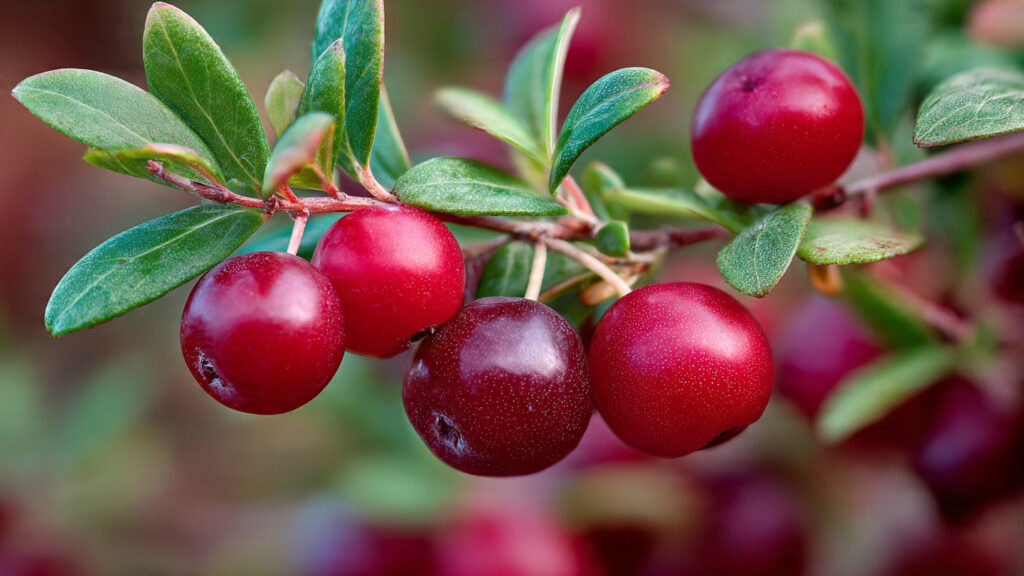
Lingonberries, also known as Vaccinium vitis-idaea, are small, vibrant red berries prized for their tart flavor and impressive health benefits. Native to Scandinavia, Russia, and parts of North America, they are related to cranberries and thrive in acidic, well-drained soils. Beyond their culinary versatility — from jams and sauces to baked goods — lingonberries are attractive evergreen shrubs that can enhance your backyard landscape.
If you’ve been dreaming of cultivating your own patch of these resilient berries, this ultimate guide will take you step by step through everything you need to know, from soil preparation to harvesting, ensuring your backyard yields a bountiful crop year after year.
Why Grow Lingonberries at Home?
Growing lingonberries in your backyard offers numerous benefits:
- Nutritional Value: Packed with antioxidants, vitamin C, and fiber.
- Culinary Uses: Perfect for jams, jellies, sauces, or baking.
- Aesthetic Appeal: Evergreen foliage adds year-round interest.
- Low Maintenance: Once established, lingonberries are hardy and drought-tolerant.
- Wildlife Friendly: Birds love the berries, adding life to your garden.
For gardeners seeking a hardy, versatile, and visually pleasing plant, lingonberries are an excellent choice.
Step 1: Choose the Right Location
Lingonberries prefer cool, temperate climates and partial sun to full sun exposure. Choosing the right site is critical for successful growth.
Considerations:
- Sunlight: At least 4–6 hours of sunlight daily; partial shade is acceptable in hotter climates.
- Soil: Acidic, well-draining soil with a pH of 4.5–5.5 is ideal. Avoid alkaline soils, which hinder nutrient uptake.
- Space: Lingonberries grow low to the ground but spread over time. Provide at least 12–18 inches between plants to accommodate expansion.
- Drainage: Avoid low spots where water pools, as this can cause root rot.
Raised beds or slightly elevated areas work particularly well for improving drainage and soil conditions.
Step 2: Prepare the Soil
Lingonberries thrive in soil rich in organic matter.
Soil Preparation Steps:
- Test the Soil pH: Use a home test kit. If pH is above 5.5, amend with elemental sulfur or peat moss.
- Add Organic Matter: Incorporate compost or well-rotted pine bark to improve texture and fertility.
- Ensure Drainage: If soil is heavy clay, consider building raised beds or adding sand and organic amendments.
A well-prepared soil bed ensures healthy roots and better berry production.
Step 3: Choose Your Plants
Lingonberries are dioecious, meaning some varieties produce male flowers and others female. For fruit production, plant multiple compatible varieties:
- Self-fertile varieties: Some lingonberries can produce berries alone but yield more when cross-pollinated.
- Recommended Varieties:
- ‘Koralle’ — robust and high-yielding
- ‘Red Pearl’ — compact, disease-resistant, excellent for containers
- ‘Erecta’ — ideal for colder climates and hedges
Purchase young plants from reputable nurseries to ensure disease-free stock.
Step 4: Planting Lingonberries
Timing and technique matter when planting.
Best Planting Time:
- Early spring or fall, avoiding extreme temperatures.
Planting Steps:
- Dig a Hole: Twice as wide as the root ball and slightly deeper than the root system.
- Place the Plant: Roots spread naturally; crown slightly above soil level.
- Backfill: Mix native soil with organic amendments.
- Water Thoroughly: Helps settle the soil and eliminates air pockets.
- Mulch: Apply 2–3 inches of pine needles, shredded bark, or acidic mulch to retain moisture and suppress weeds.
Proper planting ensures strong establishment and longevity.
Step 5: Watering and Moisture Management
Lingonberries have shallow root systems, making consistent watering essential, especially during the first year.
- New Plants: Water regularly to keep soil moist but not waterlogged.
- Established Plants: Drought-tolerant but benefit from supplemental water in dry periods.
- Mulch: Conserves soil moisture and prevents temperature extremes.
Avoid standing water or overly wet soil, which can lead to root rot.
➡️ How to Grow Malabar Spinach from Cuttings for Fast, Easy Greens
➡️ How to Grow Super Delicious Cabbage at Home Without a Garden
➡️ How to Grow Bean Sprouts at Home in Plastic Bottles Easily (Step‑by‑Step Guide)
➡️ Why is Your Lemon Tree Blooming in the Heart of Winter?
➡️ Why Should Your Garden Have a Dedicated Pollinator Highway?
➡️ Why Do Your Fruit Trees Need a Winter Wash to Thrive in Spring?
➡️ How Can Rice Water Transform Your Fruits into Sweeter Delights?
➡️ Jumpstart Your Winter Garden: Seed Starting Under Lights
Step 6: Fertilizing Lingonberries
Lingonberries are light feeders. Excess fertilizer can harm growth and berry quality.
- Recommended Fertilizer: Acidic, slow-release fertilizers formulated for blueberries or cranberries.
- Timing: Apply in early spring and again after harvest if necessary.
- Avoid Nitrogen Overload: Too much nitrogen promotes leafy growth at the expense of fruit.
Proper nutrition supports healthy growth and consistent berry production.
Step 7: Pruning and Maintenance
Lingonberries require minimal pruning, but light maintenance promotes better fruiting and aesthetics.
Key Practices:
- Remove Dead or Diseased Wood: Prevents spread of pests and diseases.
- Thin Crowded Plants: Improves airflow, reducing fungal issues.
- Shape Shrubs: Maintain a 12–18 inch height for easier harvest.
Pruning is best done in early spring before new growth begins.
Step 8: Pest and Disease Management
Lingonberries are relatively resilient, but vigilance helps avoid common issues.
Common Pests:
- Aphids
- Spider mites
- Leaf miners
Common Diseases:
- Leaf spot
- Root rot
- Powdery mildew
Prevention Tips:
- Avoid overhead watering to reduce fungal issues.
- Keep the area around plants free of debris.
- Use organic insecticidal soap or neem oil for minor pest infestations.
- Rotate mulches or amend soil to maintain healthy root zones.
Step 9: Pollination
While some lingonberry varieties are self-fertile, cross-pollination improves yield. Bees and other pollinators are essential. To attract them:
- Plant near other flowering shrubs.
- Avoid excessive pesticide use during flowering.
- Consider hand-pollination for isolated plants by gently transferring pollen with a small brush.
Step 10: Harvesting Lingonberries
Patience is key. Berries usually ripen in late summer to early fall.
Harvest Tips:
- Look for Color: Bright red, firm berries are ripe.
- Avoid Soft or Green Berries: They may not ripen fully off the plant.
- Use Gentle Techniques: Pluck berries carefully to avoid damaging the shrub.
- Harvest Frequency: Check every few days during peak season.
Ripe berries can be used fresh, frozen, or preserved.
Step 11: Storing Lingonberries
Lingonberries are perishable but can be stored in several ways:
- Refrigeration: Keeps berries fresh for 1–2 weeks.
- Freezing: Lay berries on a tray first, then transfer to freezer bags to prevent clumping.
- Canning or Preserving: Lingonberry jams, sauces, and syrups store well for months.
Storing correctly ensures you enjoy the harvest year-round.
Step 12: Propagation for Expansion
Lingonberries can be propagated from:
- Seeds: Slow and requires patience.
- Cuttings: Hardwood or softwood cuttings taken in spring root well in acidic soil.
- Division: Mature plants can be divided to produce multiple shrubs.
Propagation allows you to expand your backyard patch without purchasing new plants.
Common Challenges for Beginners
Slow Growth
- Cause: Poor soil, insufficient light, or high pH.
- Solution: Adjust soil acidity, provide full sun, and use organic mulch.
Low Fruit Yield
- Cause: Inadequate pollination or excess nitrogen.
- Solution: Introduce compatible varieties or pollinators, adjust fertilization.
Leaf Browning
- Cause: Drought, overwatering, or cold damage.
- Solution: Monitor watering, protect from frost, mulch roots.
Design Tips for Backyard Lingonberries
Lingonberries are not only productive but ornamental. Use them as:
- Low hedges along walkways
- Ground cover under taller shrubs
- Borders in a berry garden
- Companion plants with blueberries and raspberries
Their evergreen leaves and bright berries add visual interest even outside the harvest season.
Final Thoughts
Successfully growing lingonberries in your backyard requires:
- Choosing the right location with acidic, well-draining soil
- Selecting healthy, compatible varieties
- Proper planting, watering, and fertilization
- Light pruning and pest management
- Patience and attention to pollination
With consistent care, your lingonberries will reward you with vibrant foliage and tart, nutrient-packed berries for years to come.
Whether you enjoy them fresh, in homemade jams, or as a decorative shrub, lingonberries are a valuable addition to any backyard garden. By following this ultimate guide, even beginners can cultivate a thriving lingonberry patch and enjoy a taste of the wild, sweet, and tangy flavors right at home.