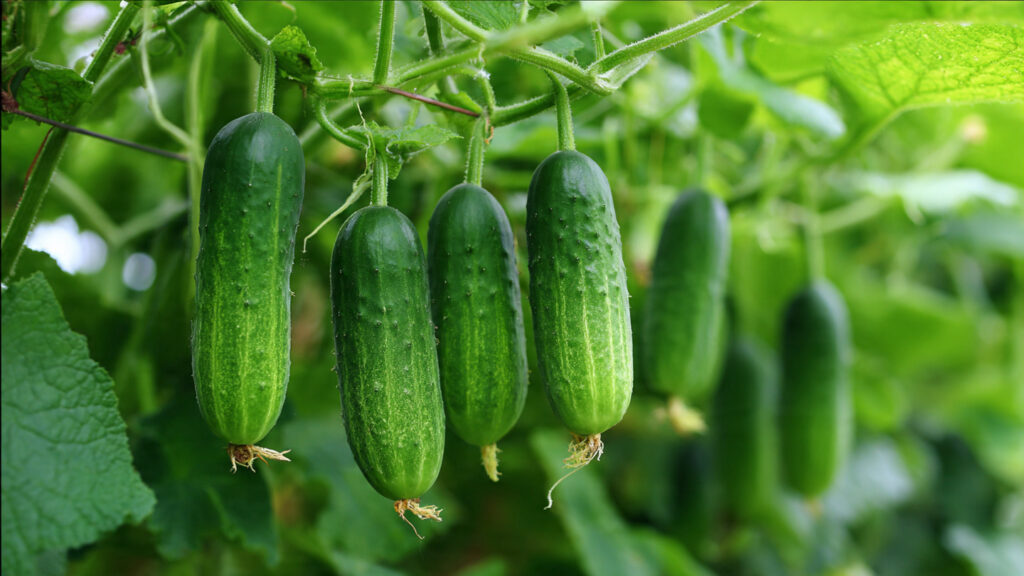
Few things are more disappointing than harvesting cucumbers only to find them bitter. That crisp, refreshing vegetable suddenly becomes unpleasant, leaving you wondering where it all went wrong. The truth is, bitterness in cucumbers is not just bad luck—it’s a predictable problem that can be solved with the right knowledge and care. In this guide, we’ll explore why cucumbers turn bitter, how to prevent it, and simple techniques to grow cucumbers that are naturally sweet and enjoyable.
Why Cucumbers Become Bitter
Before diving into solutions, it’s important to understand why cucumbers develop a bitter taste. The bitterness comes from compounds called cucurbitacins, which are naturally produced in cucumbers as a defense mechanism. While they help the plant deter pests and survive stressful conditions, excessive cucurbitacin accumulation can make your cucumbers inedible.
Several factors trigger this bitterness:
1. Stress from Heat or Sun
High temperatures and intense sunlight can stress cucumber plants, causing them to produce more cucurbitacins. If your plants are exposed to prolonged heat, the fruit may become bitter.
2. Inconsistent Watering
Cucumbers need consistent moisture. Uneven watering—letting the soil dry out completely and then soaking it—creates stress that increases bitterness. Cucumbers are about 95% water, so hydration directly affects both taste and texture.
3. Nutrient Deficiency
A lack of essential nutrients, particularly potassium and magnesium, can result in bitter cucumbers. These minerals play a crucial role in plant metabolism, and deficiencies trigger stress responses.
4. Overripe Fruit
Cucumbers left on the vine too long often become bitter. Overripe cucumbers are not only tougher but also develop higher levels of cucurbitacins. Harvesting at the right stage is essential for sweet, crisp fruit.
5. Genetic Factors
Some cucumber varieties are naturally more prone to bitterness. Choosing the right cultivar is the first step in preventing this problem. Seed catalogs often note whether a variety is “bitter-free” or “sweet.”
The Simple Method to Grow Bitter-Free Cucumbers
Growing cucumbers free from bitterness requires combining proper planting, consistent care, and careful harvesting. Here’s a step-by-step method to achieve sweet, crisp cucumbers every time.
1. Select the Right Variety
Start with a variety bred to be sweet and low in cucurbitacins. Some excellent choices include:
- Burpless Cucumbers – Mild, easy to digest, and naturally less bitter.
- Lemon Cucumbers – Sweet, round, and perfect for fresh salads.
- Marketmore or Straight Eight – Reliable, non-bitter hybrids.
Choosing the right seeds ensures that bitterness is less likely, even if environmental conditions fluctuate.
2. Plant in Well-Draining Soil
Cucumbers prefer loose, fertile, well-drained soil rich in organic matter. Poor drainage can stress roots and trigger bitterness. Mix compost or well-rotted manure into the soil to improve fertility and structure. A slightly acidic to neutral pH (6.0–7.0) is ideal for optimal nutrient uptake.
3. Maintain Consistent Watering
Cucumbers need a steady supply of moisture. Use a drip irrigation system or water deeply and consistently, aiming for about 1–2 inches per week. Avoid wetting the leaves excessively to reduce disease risk. Mulching around the base helps retain moisture, keeping the soil evenly hydrated and the cucumbers sweet.
4. Provide Adequate Sunlight
Cucumber plants thrive in full sunlight (at least 6–8 hours per day). However, during peak summer heat, partial afternoon shade can reduce stress and minimize cucurbitacin production. Consider lightweight shade nets if temperatures regularly exceed 35°C (95°F).
5. Fertilize Smartly
A well-fed cucumber is less likely to turn bitter. Use a balanced fertilizer rich in potassium and magnesium to support fruit development. Avoid excessive nitrogen, as it promotes leaf growth at the expense of fruit quality. Foliar feeding with seaweed extract or magnesium sprays can help correct minor deficiencies quickly.
➡️ How to Grow Malabar Spinach from Cuttings for Fast, Easy Greens
➡️ How to Grow Super Delicious Cabbage at Home Without a Garden
➡️ How to Grow Bean Sprouts at Home in Plastic Bottles Easily (Step‑by‑Step Guide)
➡️ Why is Your Lemon Tree Blooming in the Heart of Winter?
➡️ Why Should Your Garden Have a Dedicated Pollinator Highway?
➡️ Why Do Your Fruit Trees Need a Winter Wash to Thrive in Spring?
➡️ How Can Rice Water Transform Your Fruits into Sweeter Delights?
➡️ Jumpstart Your Winter Garden: Seed Starting Under Lights
6. Control Plant Stress
Stress is the main trigger for bitterness. Avoid overcrowding plants and provide sturdy trellises to support vines. This not only improves airflow but also prevents damage to fruit that can trigger stress responses. Pest and disease control is also important—aphids, spider mites, and bacterial infections increase plant stress.
7. Harvest at the Right Time
Sweet cucumbers are harvested young, before seeds fully mature. For slicing varieties, pick when they are 6–8 inches long. For burpless types, 8–12 inches is ideal. Regular harvesting encourages continuous production and prevents older fruits from becoming bitter and affecting the overall plant.
8. Prune Strategically
Pruning excessive lateral shoots can reduce plant stress and channel energy toward fruit development. Focus on removing yellowing or diseased leaves, which can divert nutrients away from new cucumbers.
Tips for Long-Term Bitter-Free Production
1. Rotate Crops
Plant cucumbers in different areas each year to prevent soil depletion and reduce pest pressure. Crop rotation improves soil health, which directly impacts fruit taste.
2. Use Companion Plants
Some companion plants, like radishes, beans, or marigolds, can improve soil nutrients and deter pests naturally. Healthy plants are less stressed, reducing bitterness.
3. Monitor Weather Conditions
During periods of extreme heat or drought, provide extra watering and temporary shade. Monitoring plant stress and responding promptly helps maintain sweet cucumbers.
4. Avoid Excessive Fertilizers Late in Growth
Late-stage fertilization, especially with high nitrogen, can increase bitterness. Focus on potassium-rich fertilizers during fruiting for better flavor.
5. Keep a Gardening Journal
Track the varieties planted, watering schedules, and environmental conditions. Over time, you’ll notice patterns and can adjust care to consistently produce sweet, non-bitter cucumbers.
Common Myths About Cucumber Bitterness
Many gardeners are surprised to learn that not all bitterness is unavoidable. Let’s address some common misconceptions:
- Myth: “Cucumbers are always bitter if it’s hot.”
Fact: Heat increases risk, but with proper watering, partial shade, and stress management, bitterness can be prevented. - Myth: “Older cucumbers are always bitter.”
Fact: Overripe cucumbers tend to be bitter, but timely harvesting ensures crisp, sweet fruits. - Myth: “Bitter cucumbers are unsafe to eat.”
Fact: Cucurbitacins can be toxic in very high amounts, but the bitterness in most homegrown cucumbers is mild. Still, avoiding bitter fruits is best for taste and safety.
Conclusion
Growing cucumbers free from bitter flavor is simpler than many gardeners think. It’s a combination of choosing the right varieties, maintaining consistent care, minimizing stress, and harvesting at the right time. By following this simple method, you can enjoy crisp, refreshing cucumbers straight from your garden all season long.
Remember, a healthy plant produces healthy fruit. Focus on creating optimal conditions—fertile soil, regular watering, and balanced nutrients—and bitterness will become a problem of the past. Whether you’re planting in a backyard garden, terrace, or container, these techniques will help you grow cucumbers that are not only edible but a delight to savor.
By understanding the root causes and applying consistent, mindful gardening practices, anyone can achieve sweet, juicy cucumbers that make salads, snacks, and meals more enjoyable. Your journey to bitter-free cucumbers begins today—plant, nurture, and harvest with confidence!