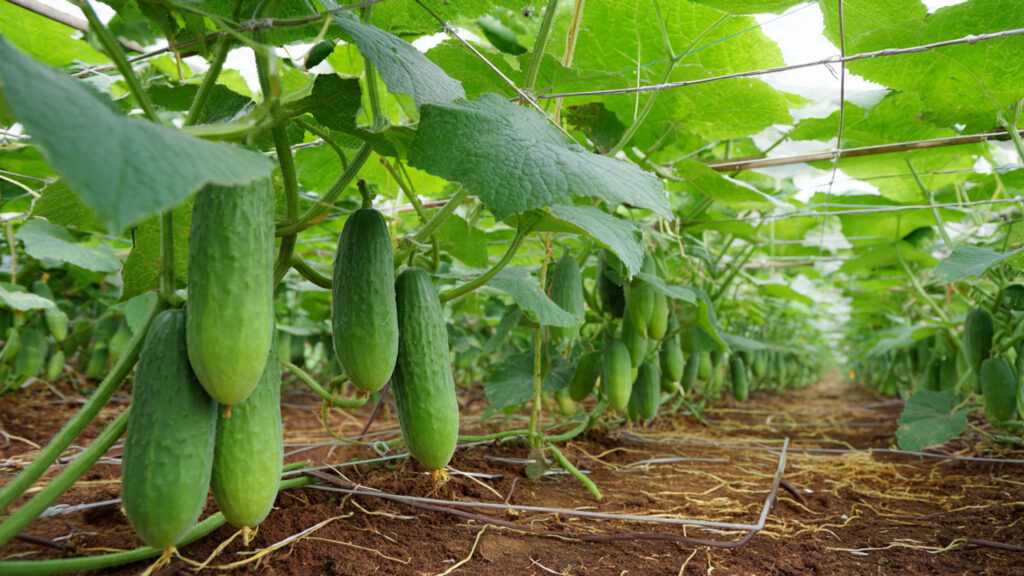
There’s nothing more disappointing for a home gardener than harvesting a cucumber only to discover it tastes bitter. While cucumbers are celebrated for their crisp, refreshing flavor and versatility in salads, pickles, and smoothies, bitterness can ruin the experience. Fortunately, growing cucumber plants free from bitter flavor is entirely possible if you understand the science behind it and adopt a few simple, effective gardening techniques.
This guide will walk you step-by-step through the factors that cause bitterness in cucumbers and reveal practical, easy-to-implement strategies to cultivate sweet, crisp, and flavorful cucumbers every time.
Understanding Why Cucumbers Turn Bitter
Bitterness in cucumbers is primarily caused by compounds called cucurbitacins. These are naturally occurring chemicals that plants produce as a defense mechanism against pests and stress. While cucurbitacins are more concentrated in wild cucumbers, cultivated varieties can still develop bitterness under certain conditions. The key factors influencing bitterness include:
- Plant Stress: Drought, inconsistent watering, excessive heat, and poor soil conditions can trigger cucurbitacin production.
- Variety Selection: Some cucumber varieties are naturally more prone to bitterness than others.
- Fruit Age: Overripe cucumbers tend to develop stronger bitter flavors.
- Pollination Issues: Poor pollination can sometimes cause uneven fruit development and increased bitterness.
By addressing these factors, you can significantly reduce or even eliminate bitter cucumbers from your harvest.
Choose the Right Cucumber Variety
Your journey to sweet cucumbers begins with choosing the right seeds. Certain hybrid varieties are specifically bred for low cucurbitacin content, which reduces bitterness. Here are some recommended varieties for home gardeners:
- ‘Burpless’ Cucumbers: These are smooth-skinned, easy to digest, and consistently mild in flavor.
- ‘Lemon’ Cucumbers: Round and golden, these cucumbers are naturally sweet.
- ‘Marketmore’ Series: Known for high yield and minimal bitterness.
- ‘Sweet Success’ or Hybrid Varieties: These are bred for consistent flavor under various growing conditions.
Selecting the right variety is the first step toward ensuring your cucumbers taste sweet and refreshing.
Prepare the Soil Properly
Healthy, nutrient-rich soil is the foundation of any successful cucumber harvest. Bitter cucumbers often result from stress caused by poor soil conditions. Follow these simple steps to prepare your soil:
- Test the Soil: Aim for a pH level of 6.0 to 6.8. Slightly acidic soil helps cucumbers absorb nutrients efficiently.
- Add Organic Matter: Compost, well-rotted manure, or leaf mold enriches soil with nutrients and improves moisture retention.
- Ensure Proper Drainage: Cucumbers dislike waterlogged soil, which can stress plants and trigger bitterness. Raised beds or mounded rows can help.
- Balance Fertilization: Excess nitrogen can promote leafy growth at the expense of fruit flavor, while insufficient nutrients can stress plants. Use a balanced fertilizer to maintain optimal growth.
Proper soil preparation ensures your cucumber plants are strong, healthy, and less prone to producing bitter fruits.
Consistent Watering Is Key
One of the most common reasons cucumbers turn bitter is irregular watering. Cucumbers are composed mostly of water, so even brief drought stress can stimulate cucurbitacin production. To keep your cucumbers sweet:
- Water Deeply and Regularly: Aim for 1–2 inches of water per week, applied directly to the soil.
- Use Mulch: Organic mulch like straw or shredded leaves retains moisture, reduces soil temperature fluctuations, and prevents stress.
- Avoid Overhead Sprinklers: Watering at the base of the plant reduces disease risk and ensures the roots get sufficient moisture.
Consistency is crucial. Plants under constant stress are more likely to produce bitter fruits.
Provide Adequate Sunlight
Cucumbers are sun-loving plants. Lack of sunlight can lead to stunted growth, uneven fruit development, and increased bitterness. Ensure your cucumber plants receive at least 6–8 hours of direct sunlight per day. If growing in containers or shaded areas, consider relocating them to a sunnier spot or using reflective surfaces to maximize light exposure.
Prune and Train Your Plants
Pruning cucumber plants not only improves air circulation and reduces disease risk but also helps prevent stress-induced bitterness. Here’s how:
- Remove Excess Leaves: Focus on removing older leaves that shade developing fruits.
- Train Vines: Use trellises or supports to elevate vines off the ground, reducing competition for nutrients and water.
- Pinch Off Early Flowers: Early flowers often produce smaller fruits that may taste bitter; focus on nurturing the strongest blooms.
Well-pruned and supported plants grow stronger and produce sweeter cucumbers.
Harvest at the Right Time
Even with ideal conditions, leaving cucumbers on the vine too long can make them bitter. To harvest at peak sweetness:
- Pick Young Fruits: Most cucumbers are best harvested at 6–8 inches long for slicing varieties, or 2–4 inches for pickling types.
- Check Regularly: Inspect vines every 1–2 days during peak growing season to avoid overripe fruits.
- Use Sharp Tools: Cutting cucumbers with a knife or scissors reduces stress on the plant compared to pulling.
Timely harvesting ensures every cucumber tastes crisp, sweet, and delicious.
➡️ How to Grow Malabar Spinach from Cuttings for Fast, Easy Greens
➡️ How to Grow Super Delicious Cabbage at Home Without a Garden
➡️ How to Grow Bean Sprouts at Home in Plastic Bottles Easily (Step‑by‑Step Guide)
➡️ Why is Your Lemon Tree Blooming in the Heart of Winter?
➡️ Why Should Your Garden Have a Dedicated Pollinator Highway?
➡️ Why Do Your Fruit Trees Need a Winter Wash to Thrive in Spring?
➡️ How Can Rice Water Transform Your Fruits into Sweeter Delights?
➡️ Jumpstart Your Winter Garden: Seed Starting Under Lights
Avoid Environmental Stress
Environmental factors play a significant role in cucurbitacin production. Keep your cucumber plants stress-free by:
- Providing Shade During Extreme Heat: Use shade cloth during hot afternoons to prevent sunburn and stress.
- Protecting from Strong Winds: Wind can damage vines and increase stress. Trellises, fences, or windbreaks help.
- Preventing Pest Damage: Aphids, cucumber beetles, and spider mites can stress plants and contribute to bitterness. Regular monitoring and organic pest control methods help maintain plant health.
Healthy, stress-free plants are less likely to produce bitter cucumbers.
Use Companion Planting
Companion planting can improve cucumber growth and flavor. Certain plants enhance soil nutrients, deter pests, or create microclimates that reduce stress. Consider planting:
- Basil or Dill: Helps deter pests and may enhance cucumber flavor.
- Radishes: Act as natural pest repellents.
- Beans or Peas: Fix nitrogen in the soil, providing essential nutrients for cucumbers.
Companion planting supports a healthy ecosystem, reducing plant stress and promoting sweeter cucumbers.
Fertilize Smartly
Fertilizing cucumbers at the right time and with the right nutrients can prevent bitterness:
- Balanced Fertilizer: Use fertilizers with a balanced NPK ratio (Nitrogen, Phosphorus, Potassium).
- Side-Dress: Apply compost or organic fertilizer near the base of plants every 3–4 weeks during the growing season.
- Avoid Excess Nitrogen: Too much nitrogen can encourage leafy growth but may increase cucurbitacin levels, making fruits bitter.
Proper nutrition ensures cucumbers are both abundant and flavorful.
Final Tips for Sweet Cucumber Success
- Water in the Morning: Reduces evaporation and ensures moisture penetrates deeply.
- Mulch Generously: Retains moisture, keeps roots cool, and reduces stress.
- Harvest Frequently: Prevents overripe cucumbers, which are more likely to be bitter.
- Observe Plant Health: Regularly inspect for pests, diseases, and signs of stress.
By following these strategies, you can grow cucumbers that are consistently crisp, sweet, and free from bitterness.
Conclusion
Growing cucumbers free from bitter flavor is simpler than many gardeners think. The secret lies in selecting the right variety, providing consistent care, and minimizing plant stress. Healthy soil, regular watering, sufficient sunlight, proper pruning, timely harvesting, and smart fertilization all contribute to the natural sweetness of cucumber fruits.
With dedication and attention to detail, you can enjoy harvesting cucumbers that are juicy, crisp, and perfectly flavorful, elevating your salads, pickles, and fresh snacks. By mastering this simple method, your garden will reward you with bountiful, bitter-free cucumbers season after season.
Start today, follow these proven steps, and transform your cucumber harvest into a showcase of sweetness and freshness that friends and family will love.