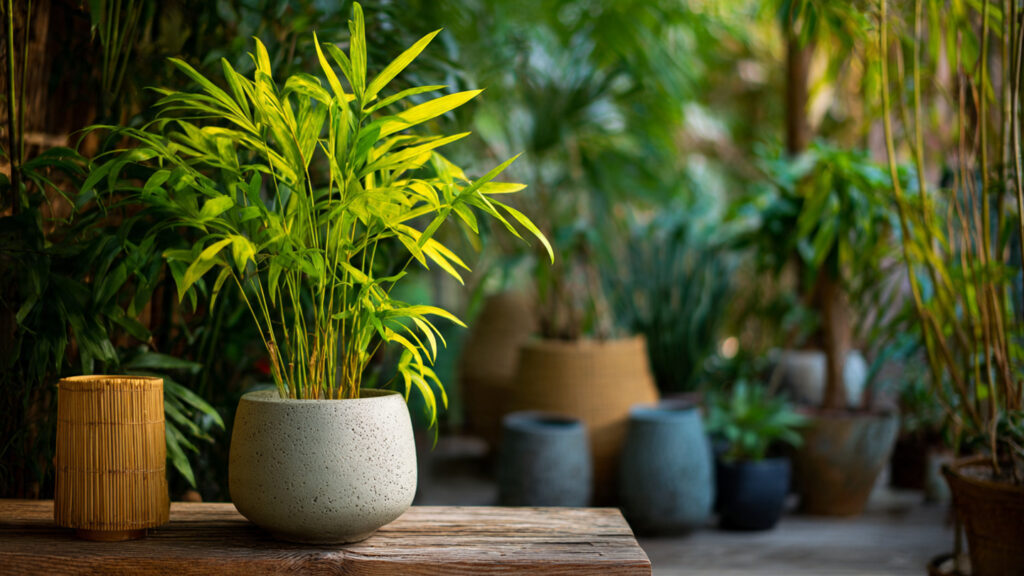
Bamboo palms (Chamaedorea seifrizii) are among the most elegant and versatile indoor plants, prized for their lush, bamboo-like stems and graceful green fronds. Not only do they add a touch of tropical sophistication to your home, but they are also natural air purifiers, helping create a serene and healthier living space. Growing a bamboo palm may seem intimidating at first, but with the right care and attention, you can enjoy a healthy, vibrant plant year-round. In this article, we’ll walk you through the simple steps to cultivate bamboo palms successfully, keeping them lush, thriving, and beautiful in every season.
Why Choose Bamboo Palm
Before diving into care tips, it’s important to understand what makes bamboo palms an exceptional indoor plant choice:
- Air Purification: Bamboo palms are known for filtering indoor air pollutants like formaldehyde, benzene, and carbon monoxide, making your home healthier.
- Aesthetic Appeal: Their vertical, bamboo-like stems and feathery fronds create a natural elegance that suits modern, tropical, and traditional interiors alike.
- Adaptability: Bamboo palms are tolerant of lower light conditions, making them perfect for indoor spaces where sunlight may be limited.
- Low Maintenance: Once their basic needs are met, bamboo palms are relatively easy to care for, providing year-round greenery with minimal stress.
Choosing the Right Location
Proper placement is the first key to keeping your bamboo palm healthy and thriving. Consider these factors:
- Light Requirements: Bamboo palms prefer bright, indirect light but can tolerate low light areas. Avoid direct sunlight, which can scorch their delicate fronds. East or north-facing windows are ideal, or filtered sunlight through sheer curtains.
- Temperature: These palms thrive in temperatures between 65°F to 80°F (18°C to 27°C). Avoid placing them near air conditioners, heaters, or drafty areas, as sudden temperature fluctuations can stress the plant.
- Humidity: Bamboo palms enjoy moderate to high humidity. Indoor heating or air conditioning can dry out the air, so occasional misting or a humidity tray can help maintain optimal moisture levels.
By creating a suitable environment, your bamboo palm will establish strong roots and grow steadily throughout the year.
Selecting the Right Pot and Soil
The choice of container and soil significantly impacts the health of your bamboo palm:
- Pot Selection: Use a container with drainage holes to prevent waterlogging, which can lead to root rot. Start with a pot slightly larger than the root ball to allow for growth. Repot every 2–3 years to provide fresh soil and space for roots.
- Soil Type: Bamboo palms prefer a well-draining potting mix rich in organic matter. A blend of peat, perlite, and sand provides both aeration and moisture retention. Avoid heavy, clay-based soils that hold too much water.
- Layering for Drainage: Place small stones or broken pottery pieces at the bottom of the pot to enhance drainage, ensuring that excess water doesn’t sit around the roots.
Watering Techniques
Proper watering is essential for keeping bamboo palms lush and vibrant:
- Consistent Moisture: Keep the soil evenly moist but not soggy. Water the plant thoroughly when the top 1–2 inches of soil feel dry.
- Avoid Overwatering: Overwatering is a common cause of yellowing fronds. Always check the soil before watering and allow excess water to drain freely.
- Seasonal Adjustments: During the growing season (spring and summer), water more frequently to support active growth. In winter, reduce watering slightly as growth slows.
- Water Quality: Bamboo palms are sensitive to chemicals in tap water. Using filtered or distilled water is ideal, especially if your tap water contains high chlorine or fluoride.
Feeding and Fertilizing
Bamboo palms benefit from regular feeding to maintain their lush green foliage:
- Fertilizer Type: Use a balanced, slow-release fertilizer or liquid houseplant fertilizer formulated for palms. These provide essential nutrients without overwhelming the plant.
- Feeding Schedule: Fertilize every 6–8 weeks during spring and summer. Reduce feeding in autumn and winter when the plant’s growth naturally slows.
- Micronutrients: Ensure your fertilizer contains magnesium and potassium, which help prevent yellowing and strengthen the plant’s fronds.
Pruning and Maintenance
Routine maintenance keeps your bamboo palm healthy, tidy, and aesthetically pleasing:
- Trimming Dead Leaves: Remove yellow, brown, or damaged fronds at the base to encourage new growth and maintain a tidy appearance.
- Cleaning Fronds: Dust accumulation can reduce photosynthesis. Wipe leaves gently with a damp cloth to keep them clean and glossy.
- Monitoring for Pests: Although bamboo palms are generally pest-resistant, occasional infestations of spider mites or scale insects can occur. Treat early with insecticidal soap or neem oil.
- Supporting Growth: If your bamboo palm grows tall, consider stakes or supports to prevent bending or toppling over.
Propagation Tips
If you wish to expand your indoor garden, bamboo palms can be propagated, though it requires patience:
- Division Method: The most common method is dividing the plant during repotting. Carefully separate the root clumps, ensuring each section has healthy roots and fronds.
- Timing: Early spring is ideal for propagation, as the plant enters its active growing season.
- Aftercare: Keep newly divided plants in a shaded, humid environment and water lightly until established.
Creating the Ideal Indoor Tropical Space
Bamboo palms are more than just plants—they’re design elements that enhance your living space:
- Grouping with Other Plants: Combine bamboo palms with ferns, monstera, or philodendrons for a lush, tropical indoor garden.
- Decorative Pots: Use stylish containers that complement your home décor, such as ceramic, woven, or terracotta pots.
- Strategic Placement: Place bamboo palms in corners, next to seating areas, or near windows to create focal points and visual height in your room.
- Lighting Accents: Add subtle indoor lighting to highlight the fronds and create a tropical ambiance during evenings.
Common Mistakes to Avoid
Even experienced plant enthusiasts can make errors when caring for bamboo palms. Avoid these pitfalls:
- Excess Sunlight: Direct sunlight can scorch fronds, causing browning and stress.
- Overwatering: Constantly wet soil promotes root rot. Always check moisture levels.
- Neglecting Humidity: Dry indoor air can cause leaf tips to brown. Regular misting or a humidity tray prevents this.
- Ignoring Growth Needs: Bamboo palms need space to thrive. Cramped conditions can stunt growth and reduce their natural elegance.
Seasonal Care Tips
Maintaining bamboo palms year-round requires adjusting care according to the season:
- Spring & Summer: Increase watering and fertilization, as palms actively grow during warmer months. Consider moving the plant closer to light sources for optimal growth.
- Autumn: Reduce feeding and water slightly less as growth slows. Clean leaves to prepare for winter.
- Winter: Keep the plant away from cold drafts and heating vents. Maintain moderate watering and humidity, as indoor air tends to be drier.
The Benefits of a Lush Bamboo Palm
A healthy bamboo palm enhances both your living space and your well-being:
- Mental Health: Greenery has been proven to reduce stress, boost mood, and enhance relaxation.
- Air Quality: As a natural air purifier, bamboo palms improve the environment you live in.
- Aesthetic Elegance: Their vertical growth and delicate fronds create visual interest, making any room feel more vibrant and lively.
Final Thoughts
Growing a bamboo palm indoors is both rewarding and transformative. With the right selection, proper placement, consistent watering, regular feeding, and mindful maintenance, you can enjoy a healthy, lush bamboo palm all year round. This versatile plant not only enhances your home décor but also contributes to better air quality and a calming indoor atmosphere.
By following these simple steps, your bamboo palm can flourish, bringing a touch of tropical serenity to your living space. Imagine walking into your home and being greeted by vibrant green fronds, a sense of freshness, and a calm ambiance that instantly lifts your spirits. Bamboo palms are more than just indoor plants—they’re living pieces of art that enrich your life and your home, season after season.
➡️ How to Grow Malabar Spinach from Cuttings for Fast, Easy Greens
➡️ How to Grow Super Delicious Cabbage at Home Without a Garden
➡️ How to Grow Bean Sprouts at Home in Plastic Bottles Easily (Step‑by‑Step Guide)
➡️ Why is Your Lemon Tree Blooming in the Heart of Winter?
➡️ Why Should Your Garden Have a Dedicated Pollinator Highway?
➡️ Why Do Your Fruit Trees Need a Winter Wash to Thrive in Spring?
➡️ How Can Rice Water Transform Your Fruits into Sweeter Delights?
➡️ Jumpstart Your Winter Garden: Seed Starting Under Lights