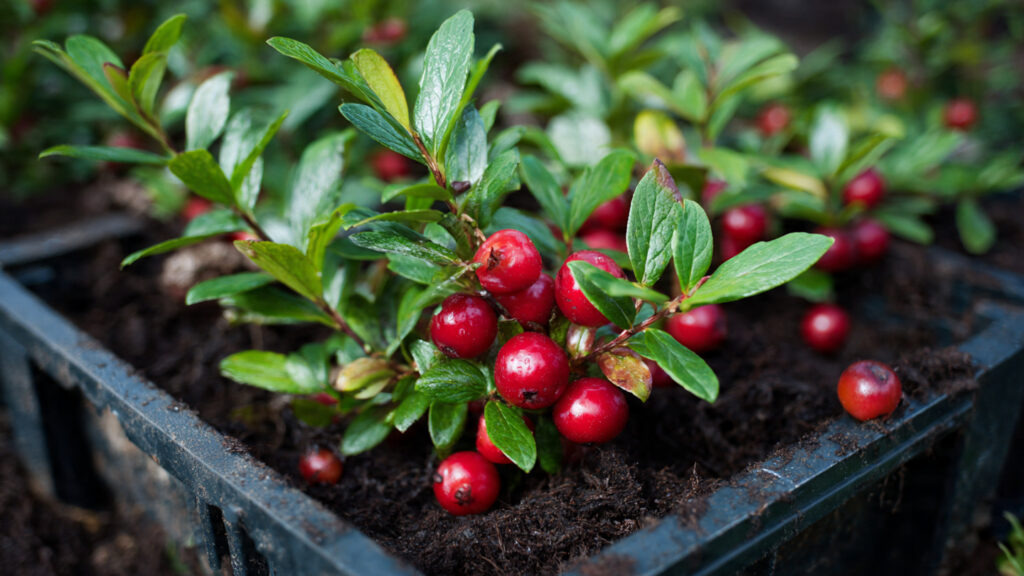
Gardening in urban spaces or small yards comes with unique challenges. Limited space, compact soil beds, and variable sunlight can make growing traditional garden crops a bit tricky. But thanks to container gardening, plant lovers can cultivate a variety of fruits, vegetables, and herbs—even on balconies, patios, or tiny terraces. Among the most rewarding options for small-space gardeners are lingonberries. These tart, nutrient-rich berries are not only delicious but also well-suited for container cultivation, offering a multitude of benefits for both health and urban garden aesthetics.
Why Choose Lingonberries for Container Gardening?
Lingonberries (Vaccinium vitis-idaea) are evergreen shrubs native to northern climates. They are closely related to cranberries and are prized for their bright red berries and high antioxidant content. While traditionally grown in forested or cooler climates, lingonberries are perfect candidates for container gardening because:
- They remain compact and manageable. Mature plants typically stay under 12 inches tall in containers.
- Their shallow root systems adapt well to pots.
- They produce both ornamental foliage and edible berries, adding visual and culinary appeal.
- Containers allow gardeners to control soil acidity and moisture, which are critical for lingonberry growth.
These traits make lingonberries ideal for urban gardeners who want a low-maintenance, high-reward crop without requiring a large plot of land.
Nutritional and Health Benefits of Lingonberries
One of the key reasons to grow lingonberries is their impressive health profile:
- Rich in antioxidants: Lingonberries contain anthocyanins and polyphenols, which combat oxidative stress and inflammation.
- Support urinary health: Traditionally used in folk medicine to reduce the risk of urinary tract infections.
- Aid digestion: High in dietary fiber, lingonberries promote healthy digestion.
- Low glycemic index: Suitable for people looking to manage blood sugar levels.
- Vitamin and mineral content: They provide vitamin C, manganese, and small amounts of iron, enhancing overall nutrition.
Growing them in containers allows gardeners to enjoy fresh berries throughout the harvest season, which typically occurs in late summer or early fall.
Advantages of Container Gardening for Urban Spaces
Containers offer flexibility and control that traditional garden beds cannot always provide. For urban and small-space gardeners, growing lingonberries in pots offers multiple advantages:
1. Space Efficiency
Balconies, terraces, and windowsills can all become productive growing areas. A few pots can yield enough berries for personal consumption without occupying valuable floor or garden space.
2. Soil Control
Lingonberries thrive in acidic, well-draining soils, which are harder to achieve in urban gardens. Container gardening allows you to tailor the soil mixture to the plant’s needs, usually with a mix of peat moss, sand, and compost.
3. Mobility
Containers make it easy to move plants to optimize sunlight exposure or protect them from harsh weather. Lingonberries benefit from full sun to partial shade, and being able to relocate pots ensures consistent growth conditions.
4. Reduced Pest and Disease Pressure
Elevating plants in containers can reduce exposure to soil-borne pests and fungi common in crowded urban garden beds. This means less need for chemical interventions and healthier, organic produce.
5. Aesthetic Appeal
Container-grown lingonberries are attractive year-round. Their evergreen foliage and bright red berries can enhance the beauty of balconies, patios, or even indoor spaces if placed near sunlight. They combine the utility of food production with ornamental charm.
Tips for Growing Lingonberries in Containers
Successfully growing lingonberries in pots requires attention to a few key factors:
1. Choosing the Right Container
- Use pots at least 12–16 inches deep to accommodate root growth.
- Ensure containers have good drainage holes to prevent waterlogging.
- Group smaller containers together to create a microgarden effect.
2. Soil and Fertilization
- Use acidic soil with a pH of 4.5–5.5.
- Mix peat moss, sand, and organic compost to provide a nutrient-rich, well-draining substrate.
- Fertilize lightly with an acid-loving plant fertilizer in early spring.
3. Watering
- Lingonberries prefer consistently moist but not soggy soil.
- Water regularly, especially during hot, dry weather.
- Mulch with pine needles or bark to retain moisture and maintain acidity.
4. Light Requirements
- Provide 6–8 hours of sunlight per day for optimal berry production.
- In urban areas with partial shade, ensure plants still receive morning sun for maximum growth.
5. Pruning and Maintenance
- Remove dead or damaged branches in early spring.
- Maintain plant shape to encourage airflow and reduce fungal issues.
- Container-grown lingonberries rarely need heavy pruning but benefit from regular monitoring.
6. Winter Care
- Lingonberries are cold-hardy, but pots can freeze more quickly than ground soil.
- Move containers to a sheltered area, or insulate pots with straw or bubble wrap.
- Avoid heavy pruning before winter, as leaves provide additional protection.
Harvesting and Enjoying Lingonberries
Harvesting lingonberries is a satisfying process. Berries turn bright red when ripe and are firm to the touch. Use a gentle hand to pick them to avoid damaging the plant. A single container can yield several cups of berries per season, which can be enjoyed:
- Fresh in salads, yogurt, or smoothies
- Cooked into jams, sauces, or baked goods
- Frozen for later use, maintaining most of their nutrients
By growing lingonberries at home, gardeners gain access to fresh, organic berries that are far superior to store-bought varieties in flavor and nutritional value.
Environmental and Lifestyle Benefits
Container-grown lingonberries contribute to a sustainable urban lifestyle:
➡️ How to Grow Malabar Spinach from Cuttings for Fast, Easy Greens
➡️ How to Grow Super Delicious Cabbage at Home Without a Garden
➡️ How to Grow Bean Sprouts at Home in Plastic Bottles Easily (Step‑by‑Step Guide)
➡️ Why is Your Lemon Tree Blooming in the Heart of Winter?
➡️ Why Should Your Garden Have a Dedicated Pollinator Highway?
➡️ Why Do Your Fruit Trees Need a Winter Wash to Thrive in Spring?
➡️ How Can Rice Water Transform Your Fruits into Sweeter Delights?
➡️ Jumpstart Your Winter Garden: Seed Starting Under Lights
- Reduced carbon footprint: Growing food at home decreases reliance on transported produce.
- Pollinator support: Flowering lingonberries attract bees and other beneficial insects, even in city environments.
- Stress reduction: Gardening and caring for plants provides therapeutic benefits and promotes mental well-being.
- Educational value: Urban families can use container gardens to teach children about plant growth, nutrition, and ecology.
Overcoming Challenges
While lingonberries are relatively low-maintenance, urban container gardeners may face challenges:
- Limited sunlight: Consider reflective surfaces or moving containers to maximize light exposure.
- Pest infestations: Monitor for aphids, spider mites, or fungal infections. Use natural remedies like neem oil or insecticidal soap if needed.
- Soil acidity management: Regularly test soil pH and adjust with elemental sulfur or acidic fertilizers.
With careful attention, these obstacles are manageable, and the rewards far outweigh the effort.
Conclusion: The Joy of Growing Lingonberries in Small Spaces
For urban and small-space gardeners, lingonberries offer a unique combination of practicality, nutrition, and aesthetic appeal. Container gardening allows for control over soil, water, and sunlight, while also giving the flexibility to move plants as needed. The berries themselves provide antioxidants, vitamins, and a tart flavor that enhances a variety of dishes.
Beyond the tangible benefits, growing lingonberries fosters a connection to nature, reduces food miles, and brings the joy of gardening into spaces where traditional gardens are not feasible. By embracing container gardening, city dwellers and small-space enthusiasts can enjoy the satisfaction of homegrown, fresh fruit while creating a beautiful, sustainable environment.
Whether you’re a seasoned gardener or just starting, lingonberries in containers prove that even limited spaces can yield big rewards—both for your table and your well-being.