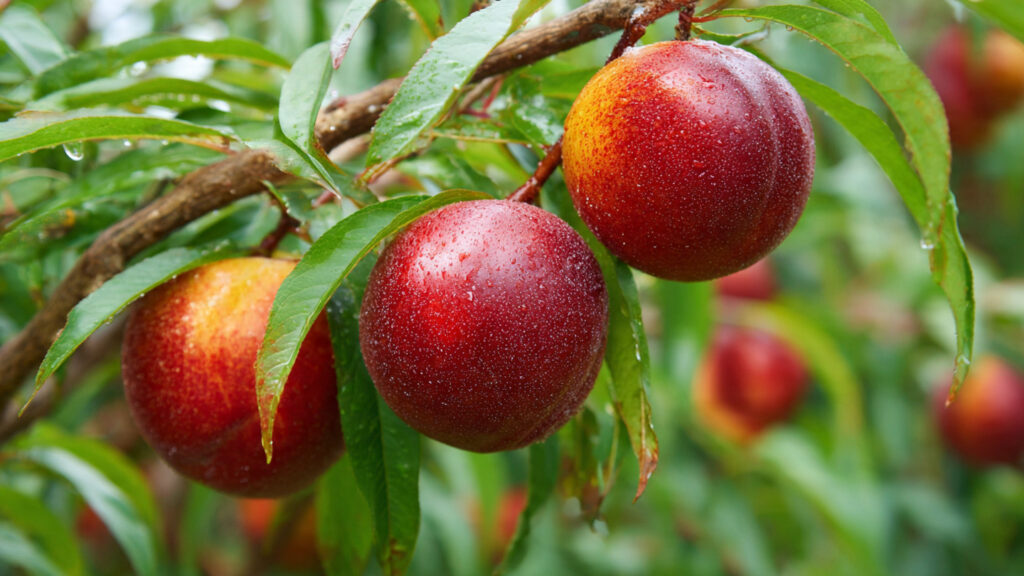
Nectarines, with their juicy sweetness and smooth skin, are a delightful addition to any home garden. While many associate these fruits with warm, sunny climates, it is entirely possible to grow cold-hardy nectarine trees in regions with chilly winters — as long as you follow the right techniques. By selecting suitable varieties, preparing your soil properly, and implementing careful care routines, you can enjoy homegrown nectarines even in cooler climates.
This guide will walk you through everything you need to know to successfully cultivate cold-hardy nectarine trees, from choosing the right varieties to harvesting plump, flavorful fruits.
Understanding Cold-Hardy Nectarine Trees
Cold-hardy nectarine trees are cultivars that can withstand lower winter temperatures without sustaining damage to buds or branches. Unlike traditional nectarine varieties that require milder climates, cold-hardy types are specifically bred or selected for resistance to frost and cold snaps, making them ideal for home gardeners in temperate regions.
Key benefits of growing cold-hardy nectarines include:
- Extended growing regions beyond tropical and subtropical zones.
- Reduced risk of frost damage during early spring blooms.
- Reliable fruit production even in cooler climates.
Choosing the Right Cold-Hardy Variety
Selecting the right nectarine variety is the first step to success. Here are some varieties well-suited for cold regions:
- Redgold Nectarine: Known for its early bloom and tolerance to temperatures as low as 20°F (-6°C).
- Hardired Nectarine: Resistant to frost, produces medium-sized, sweet fruits ideal for fresh consumption.
- Harko Nectarine: Excellent for home gardens, hardy to colder zones and produces large, flavorful fruit.
When choosing a variety, consider:
- Chill Hours: This refers to the number of hours below 45°F (7°C) the tree requires to produce fruit. Ensure your region provides enough chill hours for your selected variety.
- Disease Resistance: Opt for varieties with natural resistance to common issues such as peach leaf curl or bacterial spot.
Site Selection for Your Nectarine Tree
Proper site selection is critical for cold-hardy nectarines. Here’s what to consider:
- Sunlight: Nectarine trees need at least 6–8 hours of direct sunlight daily for optimal fruit development.
- Wind Protection: Choose a site sheltered from strong winter winds, which can damage buds and branches.
- Soil Drainage: Well-draining soil is essential. Nectarines dislike waterlogged roots, which can lead to fungal infections.
- Slope Considerations: Planting on a slight slope can prevent frost pockets and improve air circulation.
Soil Preparation and Planting
Healthy soil sets the foundation for a productive nectarine tree. Follow these steps for proper preparation:
- Test Soil pH: Nectarine trees prefer a slightly acidic to neutral pH (6.0–7.0). Adjust with lime or sulfur as needed.
- Enrich Soil: Mix organic compost or well-rotted manure into the planting area to improve fertility and structure.
- Dig the Hole Properly: Make the planting hole twice as wide and deep as the root ball.
- Planting Depth: Position the tree so that the graft union (if grafted) is a few inches above soil level.
- Water Thoroughly: After planting, water deeply to help roots establish and reduce transplant shock.
Proper Watering Techniques
Watering is crucial, especially for young trees:
- Initial Establishment: Water the tree deeply once or twice a week during the first growing season.
- Mature Trees: Once established, nectarines prefer moderate watering, particularly during fruit development.
- Avoid Overwatering: Excess moisture can promote root rot and fungal diseases. Use mulch to retain soil moisture without saturating the roots.
Fertilizing Your Nectarine Tree
Fertilization ensures strong growth, flowering, and fruiting. Here’s a simple fertilization plan:
- First Year: Focus on root development. Apply a balanced fertilizer with equal NPK (nitrogen, phosphorus, potassium) in early spring.
- Second Year Onwards: Use a fruit tree fertilizer in early spring and again after fruit set.
- Avoid Overfertilization: Too much nitrogen encourages leafy growth at the expense of flowers and fruits.
Pruning for Health and Productivity
Pruning is essential for shaping the tree, maintaining health, and maximizing fruit production. Key pruning tips include:
- Dormant Pruning: Prune in late winter or early spring before buds break. Remove dead, diseased, or crossing branches.
- Open-Center Pruning: Encourage an open, vase-like structure for better sunlight penetration and airflow.
- Summer Pruning: Remove vigorous shoots in mid-summer to maintain shape and prevent overcrowding.
Proper pruning reduces disease risk and ensures that sunlight reaches all fruiting branches, enhancing fruit quality and size.
Protecting Nectarine Trees From Cold and Frost
Even cold-hardy varieties benefit from additional frost protection, especially during early spring blooms:
- Mulching: Apply 3–4 inches of organic mulch around the base to regulate soil temperature.
- Frost Cloths or Covers: On nights of extreme frost, use frost cloths or blankets to protect flowers and young shoots.
- Windbreaks: Plant shrubs or build barriers to shield the tree from harsh winter winds.
These measures help your tree survive sudden cold snaps and ensure consistent fruiting year after year.
Managing Pests and Diseases
Cold-hardy nectarines are not immune to pests and diseases. Common issues include:
➡️ How to Grow Malabar Spinach from Cuttings for Fast, Easy Greens
➡️ How to Grow Super Delicious Cabbage at Home Without a Garden
➡️ How to Grow Bean Sprouts at Home in Plastic Bottles Easily (Step‑by‑Step Guide)
➡️ Why is Your Lemon Tree Blooming in the Heart of Winter?
➡️ Why Should Your Garden Have a Dedicated Pollinator Highway?
➡️ Why Do Your Fruit Trees Need a Winter Wash to Thrive in Spring?
➡️ How Can Rice Water Transform Your Fruits into Sweeter Delights?
➡️ Jumpstart Your Winter Garden: Seed Starting Under Lights
- Peach Leaf Curl: Caused by a fungal pathogen. Apply fungicide sprays in late fall or early spring.
- Aphids: Small insects that can stunt growth. Use insecticidal soap or neem oil as a natural deterrent.
- Bacterial Spot: Causes dark spots on leaves and fruit. Proper spacing, pruning, and avoiding overhead watering help reduce incidence.
- Fruit Thinning: To prevent overcrowded fruit, thin fruitlets when they are the size of a marble. This ensures larger, healthier nectarines.
Regular inspection and preventive care are key to minimizing losses and maintaining tree health.
Harvesting Nectarines
Knowing when and how to harvest is crucial for enjoying peak flavor:
- Maturity Signs: Nectarines are ripe when they develop full color, feel slightly soft to the touch, and emit a sweet fragrance.
- Gentle Picking: Twist or gently pull the fruit to avoid damaging branches.
- Post-Harvest Storage: Store ripe nectarines in a cool place or refrigerator to extend freshness.
Proper harvesting ensures maximum sweetness and prevents damage that can lead to rot or pests.
Benefits of Growing Cold-Hardy Nectarines at Home
- Fresh and Delicious Fruit: Homegrown nectarines are often sweeter and more flavorful than store-bought options.
- Health Benefits: Nectarines are rich in vitamins A and C, fiber, and antioxidants.
- Gardening Satisfaction: Watching your tree thrive and produce fruit provides a rewarding, hands-on experience.
- Cost Savings: Growing your own fruit reduces grocery expenses over time.
Final Thoughts
Cultivating cold-hardy nectarine trees is entirely achievable, even for gardeners in temperate or cooler regions. By selecting the right variety, preparing the soil, providing proper care, and taking preventive measures against frost and pests, you can enjoy juicy, sweet nectarines straight from your backyard.
A little attention each season goes a long way: from planting and watering to pruning and harvesting, every step contributes to a healthy, productive tree. With patience, consistency, and the techniques outlined in this guide, your home garden can flourish with cold-hardy nectarines for years to come.
Start your nectarine journey today, and savor the satisfaction of growing beautiful, delicious fruits that are both resilient and rewarding.